Finance · Markets
Tokyo Steps Into Currency Markets as Yen Slides Past 159
Japanese authorities executed dollar sales hours before a pivotal central bank meeting, with signs of US coordination in the effort to halt the currency's descent
KEY TAKEAWAYS
- ·Japan conducted yen-buying operations in New York on Thursday after the currency fell to 159.22 per dollar, marking its first market action in three months.
- ·US Treasury Secretary Scott Bessent said the yen appears undervalued, while Japanese currency chief Atsushi Mimura confirmed cooperation with Washington including Federal Reserve rate checks.
- ·The Bank of Japan is expected to hold rates at 1 percent Friday but faces pressure to signal further tightening as the yen's weakness compounds energy-driven cost pressures.
Coordinated Push to Stabilize Currency
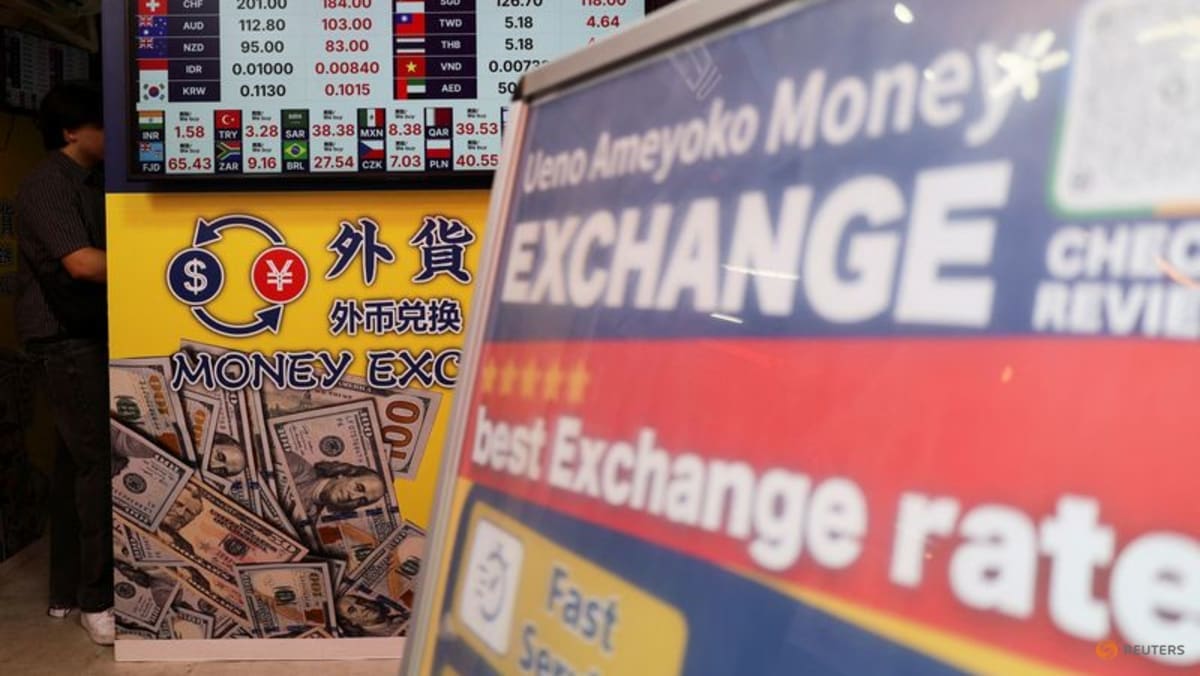
Japanese officials executed currency market operations in New York trading on Thursday, according to market participants, marking Tokyo's first direct action since late spring. The dollar dropped sharply against the yen during Thursday's session, falling from 159.22 to levels not seen in over two months before retreating in Asian hours Friday to 160.07.
The timing places the move directly ahead of the Bank of Japan's Friday policy announcement, where the central bank is expected to hold its benchmark rate at 1 percent while leaving room for future tightening. Currency chief Atsushi Mimura declined to confirm the operation but noted that cooperation with Washington extends beyond verbal encouragement, including what he termed rate checks by the Federal Reserve.
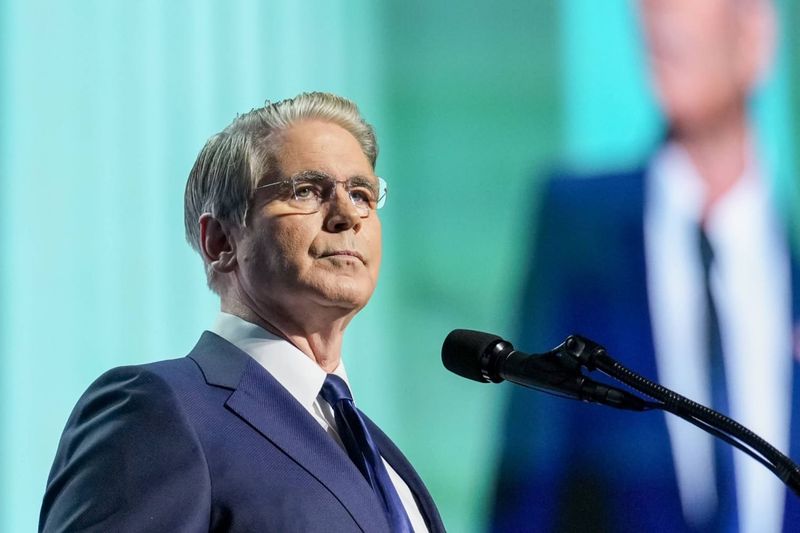
US Treasury Secretary Scott Bessent told Fox Business Network on Thursday that Japan may have taken action, adding that the yen appears significantly undervalued. The New York Fed offered no comment. Finance Minister Satsuki Katayama similarly avoided direct confirmation but reiterated Tokyo's readiness to act with urgency on exchange rate moves.
A Multi-Front Strategy
The operation appears broader than previous solo efforts. South Korea also sold dollars on Thursday, pushing the won to a nine-month peak, according to market sources. When asked about coordination with Seoul, Mimura emphasized that his conversations extend beyond Washington alone.
The backdrop is a yen that has lost ground steadily despite Japan's record 11.7 trillion yen intervention between late April and early May. That earlier push briefly lifted the currency but failed to reverse the trend, with the yen hitting a four-decade low beyond 163 per dollar earlier in July. The persistent weakness compounds cost-of-living pressures from elevated energy import bills tied to the Iran conflict.
Daiwa Securities chief economist Toru Suehiro noted the move came earlier than many expected, ahead of the central bank's policy decision rather than after. He suggested that if Washington is indeed signaling tolerance for a weaker dollar, that shift would benefit Prime Minister Sanae Takaichi's administration.
Pressure on the Central Bank
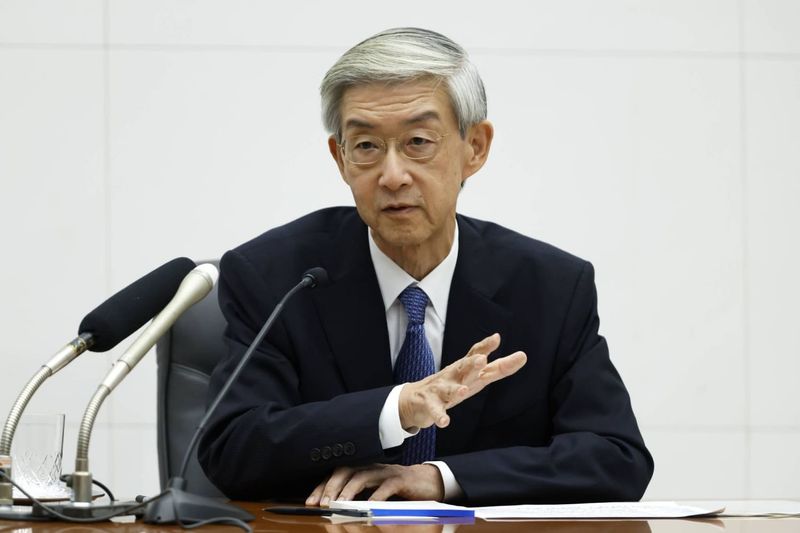
All eyes now turn to Bank of Japan Governor Kazuo Ueda, whose post-meeting press conference is scheduled for 3:30 p.m. Tokyo time Friday. Ueda faces competing pressures: the Takaichi government's caution on further rate increases versus the need to prevent additional yen depreciation that would lift import costs and broader inflation.
Washington's stance has been clear in recent signals. The Treasury Department's semi-annual currency report earlier this month warned that yen weakness has persisted even as US-Japan rate differentials narrowed, calling excess volatility undesirable. The report also urged further BOJ rate hikes, noting that inflation has eroded household purchasing power despite rising nominal wages.
Market participants say Tokyo adjusted its communication strategy after Mimura's transparent messaging before the previous intervention allowed speculators to close short yen positions in advance, diluting the impact. This time, the currency chief remained silent until the operation was already underway.
What Comes Next
The question facing policymakers is whether this latest push will prove more durable than the spring effort. Japan's intervention capacity remains substantial, but currency operations alone have historically struggled to reverse trends driven by fundamental rate differentials. With the Federal Reserve holding rates steady and the BOJ moving cautiously on tightening, the gap that has pressured the yen persists.
Friday's policy decision and Ueda's subsequent remarks will signal whether Tokyo is prepared to complement currency operations with monetary tightening. For now, the coordinated nature of Thursday's move and the apparent US endorsement mark a shift from Japan's earlier solo interventions. Whether that coordination translates into sustained yen support will depend on how far the BOJ is willing to go in the months ahead.
RELATED STORIES

Japan Wage Growth Hits 29-Year High, Reinforcing Central Bank Rate Path
Aiko Nakamura · 3 min

Japan's Central Bank and Markets Diverge on Rate Hike Trajectory
Aiko Nakamura · 3 min
Bank of Japan Prepares Third Rate Increase in Ten Months
Aiko Nakamura · 3 min
Bank of Japan to Continue Rate Increases to Anchor Inflation at 2 Per Cent
Aiko Nakamura · 3 min
Spot something wrong? Email editor@briefasia.com. We log every correction publicly.