Asia · Business
Thailand Unveils Excise Tax Cuts to Boost Local Auto Parts Sourcing
Finance ministry proposal aims to incentivize domestic production as country pursues three percent growth and high-income status by 2038

KEY TAKEAWAYS
- ·Thailand will reduce excise taxes for automakers that establish local production facilities and increase use of domestically sourced parts, with cabinet review expected by September 2026.
- ·The policy supports a four-year economic plan targeting above three percent annual growth and raising investment to 30 percent of GDP as Thailand pursues high-income status by 2038.
- ·The excise cuts compete with Indonesia's $1.1 billion EV incentive package and Vietnam's battery manufacturing commitments as Southeast Asia's auto investment landscape shifts toward electric powertrains.
Tax Relief for Local Production
Thailand will introduce excise tax reductions for automakers that build production facilities within its borders, a move designed to accelerate the use of locally sourced components and raw materials. Finance Minister Ekniti Nitithanprapas announced the proposal Friday, saying the ministry expects cabinet review by September.
The measure will offer direct tax cuts to qualifying manufacturers, though specific rate reductions and eligibility criteria remain undisclosed. The initiative forms part of a broader industrial policy shift as Thailand seeks to deepen its automotive supply chain and reduce reliance on imported inputs.
Thailand hosts production facilities for Toyota, Honda, Isuzu, and several other global brands, making it Southeast Asia's second-largest vehicle producer after Indonesia. The country exported 848,000 vehicles in 2025, but faces growing competition from Vietnam and Indonesia, both of which have ramped up incentives for electric vehicle manufacturing.
Growth Targets and Investment Push
The tax proposal sits within a four-year economic blueprint targeting potential growth above three percent annually and lifting investment to 30 percent of GDP. Thailand recorded 2.4 percent growth in 2025, trailing regional peers including Vietnam (6.1 percent), the Philippines (5.8 percent), and Indonesia (5.0 percent). The finance ministry revised its 2026 forecast upward to 2.5 percent last month.
Ekniti told a seminar audience that the government aims to achieve high-income status within 12 years, a timeline that would place Thailand's per capita income above $13,845 by 2038 under current World Bank thresholds. The country's GDP per capita stood at approximately $7,800 in 2025.
To fund the transition, the government plans household subsidies of 50,000 baht per household alongside loans for rooftop solar panel installation. Half of a 400 billion baht borrowing decree approved earlier this year will flow toward clean energy infrastructure. Separately, a $700 million EV program targets the replacement of up to 80,000 conventional vehicles with electric models.
Regional Context and Supply Chain Realignment
The excise tax cut reflects Thailand's attempt to retain automotive investment amid shifting regional dynamics. China's BYD, Great Wall Motor, and SAIC have expanded production in Southeast Asia, with Thailand and Indonesia competing for assembly plants and battery manufacturing facilities.
Indonesia approved $1.1 billion in EV incentives in 2025, including tax holidays and import duty waivers for battery cell production. Vietnam has attracted commitments from VinFast and a joint venture between Samsung and Hanwha for battery pack assembly. Thailand's existing Board of Investment incentives cover corporate income tax exemptions for EV and battery projects, but excise taxes on finished vehicles have remained a point of contention for manufacturers seeking to serve the domestic market.
The proposed excise reduction targets localization rather than assembly alone. Automakers that increase the share of Thai-made components in their vehicles would receive proportional tax relief, creating incentives for suppliers to establish operations in industrial zones around Rayong, Chonburi, and Samut Prakan.
Fiscal Implications and Implementation Timeline
The finance ministry has not disclosed the revenue impact of the excise cuts or whether the measure will apply uniformly to internal combustion and electric powertrains. Thailand collected approximately 120 billion baht in automotive excise taxes in 2025, with rates ranging from eight percent for eco-cars to 35 percent for large SUVs.
Cabinet approval in September would allow implementation by the fourth quarter of 2026, aligning with the next round of investment decisions by Japanese and Chinese automakers planning 2027-2028 capacity expansions. Industry observers note that the timeline coincides with the expiration of several existing BOI promotion packages, creating a policy window for revised incentives.
Thailand's automotive sector employs roughly 900,000 workers directly and indirectly, representing about 10 percent of manufacturing GDP. Sustained investment in local supply chains could add 50,000 to 70,000 jobs in parts manufacturing over the next five years, according to industry association estimates.
The excise tax proposal will move through cabinet review alongside other industrial policy measures, including revised tariffs on imported steel and aluminum. Final details on rate structures and qualifying thresholds are expected within the next six weeks.
RELATED STORIES

Thailand Faces Twin Labour Pressures as Manufacturing Slows
Siti Nuraini · 4 min

Thailand Faces Two Decades in Middle-Income Trap Without Workforce Upgrade
Priyanka V. Rao · 3 min

Indonesia Car Sales Jump 34% as Electric Vehicles Reshape Southeast Asia's Auto Market
Siti Nuraini · 3 min
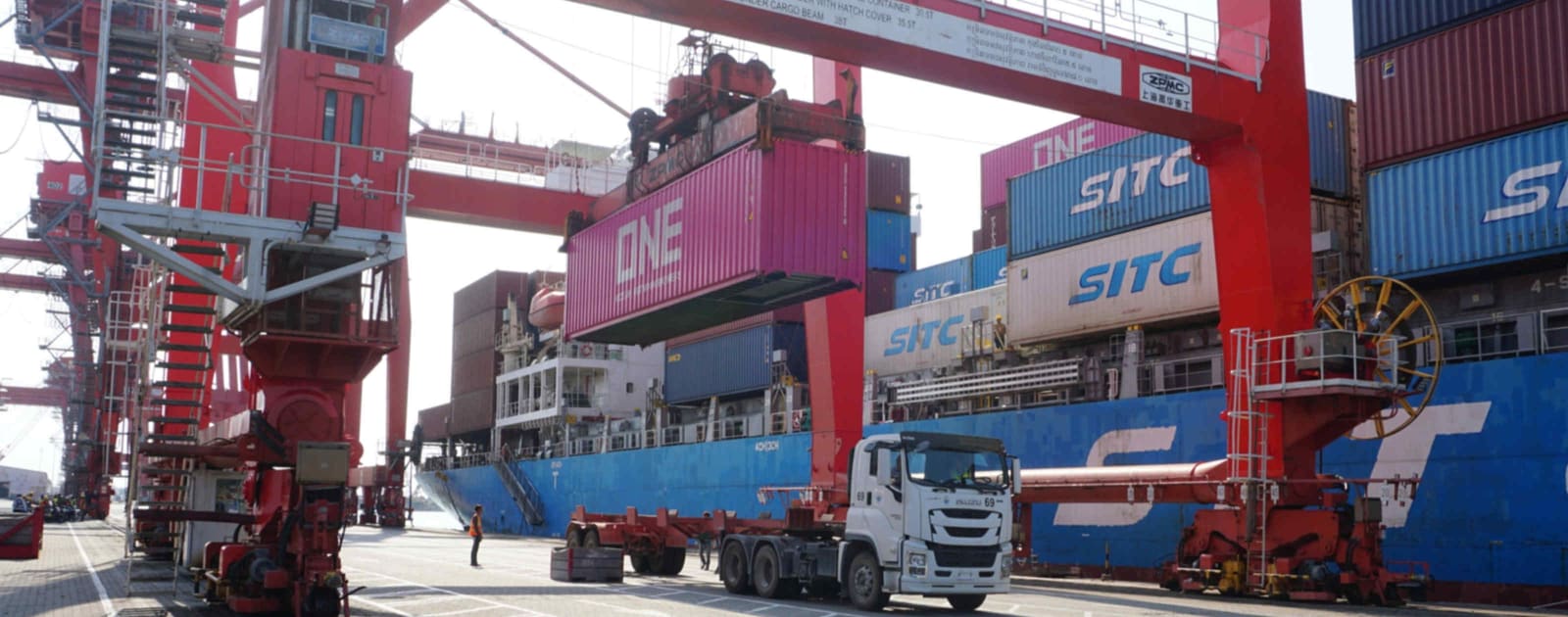
Sihanoukville Port Sees Cargo Surge After Thai Border Closure
Cheng Wei-Lun · 2 min
Spot something wrong? Email editor@briefasia.com. We log every correction publicly.