Technology · Products
Thailand Eyes Discovery Commerce as Social Content Drives Transactions
TikTok identifies opportunities for the kingdom to monetize tourism, food, and cultural assets through creator-led economy

KEY TAKEAWAYS
- ·TikTok sees Thailand positioned to monetize tourism, food, wellness, hospitality, and cultural sectors through discovery commerce, where social content drives transactions without active search intent.
- ·The discovery economy requires robust logistics, payment systems, and creator communities, with small and medium enterprises facing challenges in content production and fulfillment infrastructure.
- ·Thailand competes with Vietnam, Indonesia, and the Philippines for discovery commerce revenue, with success depending on content quality, platform relationships, and regulatory frameworks.
Platform Sees Thai Strengths Aligned With New Commerce Model
Thailand stands ready to benefit from the expanding discovery economy, where social media content and creator communities transform viewer inspiration into direct transactions, according to TikTok. The platform has identified the kingdom's established strengths in tourism, food, wellness, hospitality, and cultural offerings as natural fits for this emerging commerce model.
The discovery economy represents a shift from traditional search-based online shopping to purchases driven by content exposure. Users encounter products, destinations, and experiences through videos and posts from creators, often making buying decisions without actively seeking those items. This model differs fundamentally from conventional e-commerce, where consumers typically start with intent to purchase a specific item.
Thai Assets Meet Creator-Led Demand
TikTok's assessment points to several Thai sectors positioned to capture value from this transition. The country's tourism industry, already a major revenue generator, can leverage creator content showcasing destinations, accommodations, and experiences to audiences who may not have Thailand on their radar. Food content, which performs consistently well across social platforms, offers another avenue for Thai restaurants, street vendors, and packaged goods to reach international and domestic buyers.
The wellness and hospitality sectors present additional opportunities. Thai massage, spa treatments, and wellness retreats have established global recognition, while the hospitality industry ranges from luxury resorts to boutique properties. Creator content featuring these offerings can drive bookings and service purchases directly through integrated commerce features.
Cultural products and experiences form another category. Traditional crafts, textiles, performance arts, and cultural festivals can reach audiences through short-form video in ways that conventional marketing channels struggle to achieve. The visual and narrative nature of platforms like TikTok allows creators to contextualize these offerings, building interest that converts to transactions.
Infrastructure and Creator Ecosystem Requirements
Capitalizing on the discovery economy requires more than attractive content subjects. Thailand needs robust logistics networks to fulfill orders, payment systems that accommodate international transactions, and creator communities equipped to produce engaging content consistently. The country has made progress on these fronts, with expanding e-commerce infrastructure and growing numbers of content creators, though gaps remain in rural areas and among smaller businesses.
Small and medium enterprises face particular challenges. While large hotels and restaurant chains can dedicate resources to social commerce strategies, smaller operators often lack the expertise or capital to produce professional content, manage inventory for sudden demand spikes, or handle cross-border shipping. Support systems that help these businesses participate in the discovery economy will determine how broadly Thailand captures available opportunities.
Regional Competition and Platform Dynamics
Thailand competes with other Southeast Asian nations for discovery commerce revenue. Vietnam, Indonesia, and the Philippines also possess tourism, food, and cultural assets that translate well to social content. Platform algorithms favor engagement over geography, meaning Thai offerings must compete on content quality and creator appeal rather than proximity or existing market position.
The discovery economy also depends on platform policies and features. TikTok Shop, the integrated commerce feature, operates in select markets with varying capabilities. Regulatory environments, payment partnerships, and fulfillment integrations all influence how effectively creators can convert content into transactions. Thailand's ability to maintain favorable platform relationships and regulatory frameworks will shape its success in this space.
What Comes Next
The discovery economy continues to evolve as platforms refine recommendation algorithms, expand commerce features, and attract more creators and brands. For Thailand, the immediate opportunity lies in connecting existing strengths to creator networks and ensuring infrastructure can support transaction volume. Longer-term success requires building a sustainable creator economy with training, tools, and incentives that keep Thai content competitive in crowded global feeds.
As social platforms increasingly blur the line between content and commerce, countries that can package their offerings for discovery will capture disproportionate value. Thailand has the raw materials; execution will determine the outcome.
RELATED STORIES
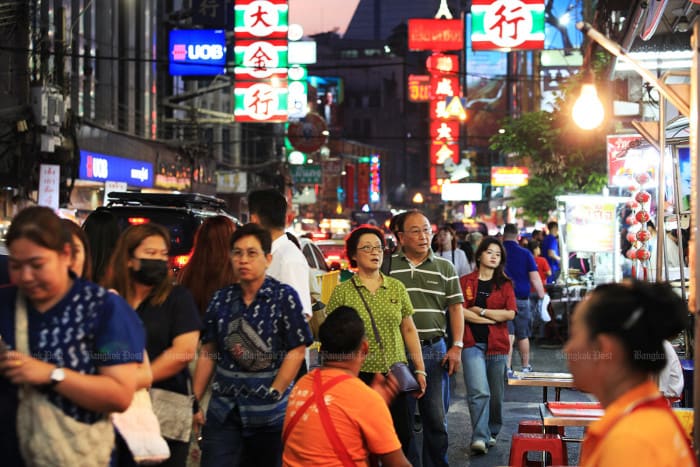
Line Man Wongnai Extends AI Tools to Restaurant Partners
Siti Nuraini · 3 min
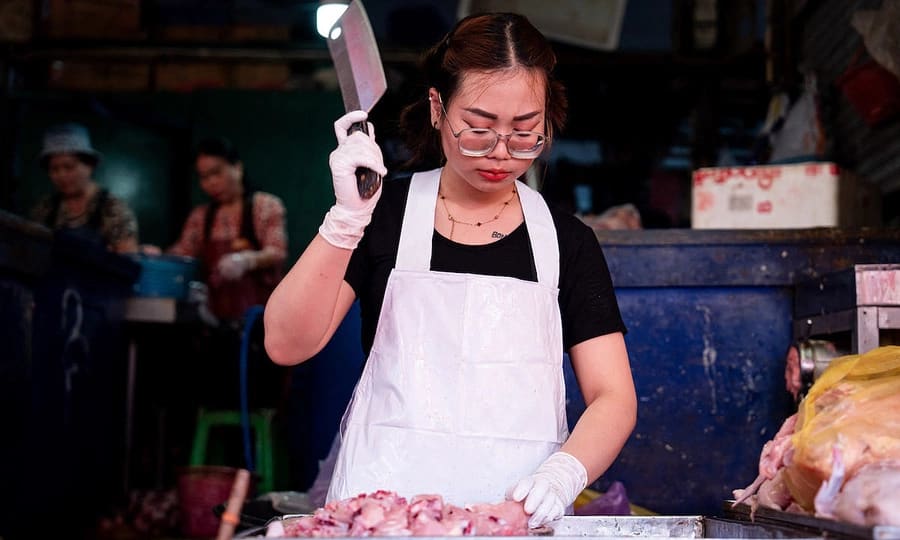
Thai Shoppers Cut Spending per Trip as Household Budgets Tighten
Priyanka V. Rao · 2 min
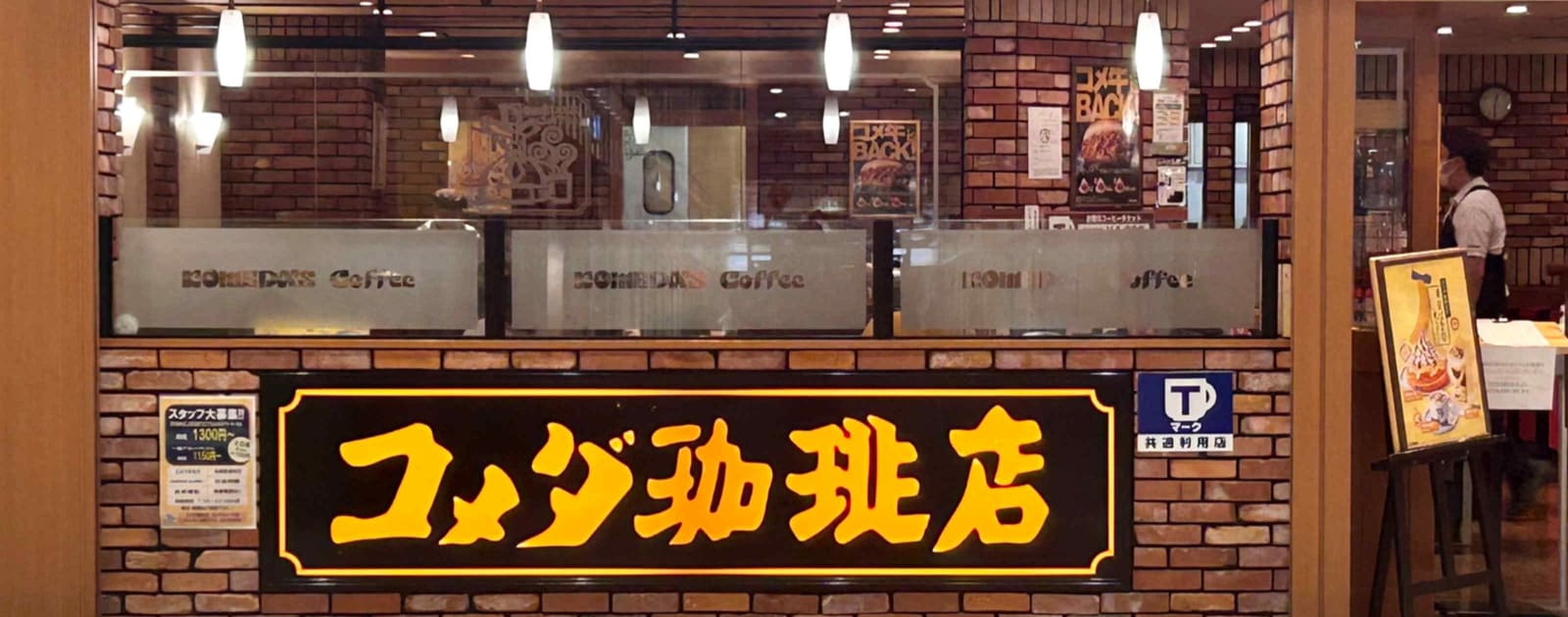
Komeda's Coffee Sets Bangkok Debut as Part of Southeast Asia Expansion
Aiko Nakamura · 3 min

ThaiBev Revenue Slips on Beer Weakness While Genting Singapore Profit Drops 33%
Priyanka V. Rao · 3 min
Spot something wrong? Email editor@briefasia.com. We log every correction publicly.