Asia · Environment
Southeast Asia Faces Twin Threat as El Niño Collides With Energy Price Shock
Rice and palm oil producers brace for drought conditions while fertilizer costs remain elevated from Strait of Hormuz disruptions
KEY TAKEAWAYS
- ·Meteorologists predict a severe El Niño event between November and January 2026, potentially exceeding the intensity of the 2015-2016 episode that disrupted agricultural output across Southeast Asia.
- ·Palm oil and rice markets face acute vulnerability as fertilizer trade through the Strait of Hormuz remains 30 percent below normal levels, compounding drought risks in monsoon-dependent economies.
- ·Goldman Sachs estimates combined energy, fertilizer, and El Niño shocks could add 2.1 percentage points to Southeast Asian food inflation within twelve months, with livestock costs rising due to higher corn import prices.
Meteorologists Predict Severe Episode
Meteorological data confirms El Niño has already begun, with scientists forecasting potential intensification into what some are calling a "Godzilla" event between November and January. Certain models project severity levels exceeding the powerful 2015-2016 episode, which would mark the third strong occurrence in recent decades.
The phenomenon, which influences weather patterns and rainfall across the Pacific Ocean, arrives at a particularly challenging moment for Southeast Asian agriculture. Farmers and governments are simultaneously managing elevated energy and fertilizer costs stemming from blocked shipments through the Strait of Hormuz earlier in 2026.
Rice and Palm Oil Markets at Risk
Monsoon-dependent economies including Indonesia, Malaysia, and Thailand face the most acute vulnerability, according to BMI. Below-average rainfall could disrupt key planting phases and early crop development during critical agricultural windows.
Palm oil plantations carry especially high exposure given the crop's water intensity for irrigation and geographic concentration in vulnerable areas. Indonesia's Rokan Hulu region in Riau province and Thailand's Plai Phraya area in Krabi have historically experienced the sharpest yield declines during El Niño events, according to commodity market research firm Segi Enam Advisors.
Global palm oil markets, dominated by Indonesian and Malaysian production, could see sharp price movements if decreased rainfall hampers yields. Coffee plantations in Vietnam and Indonesia, along with Thailand's sugarcane operations, also face pressure.
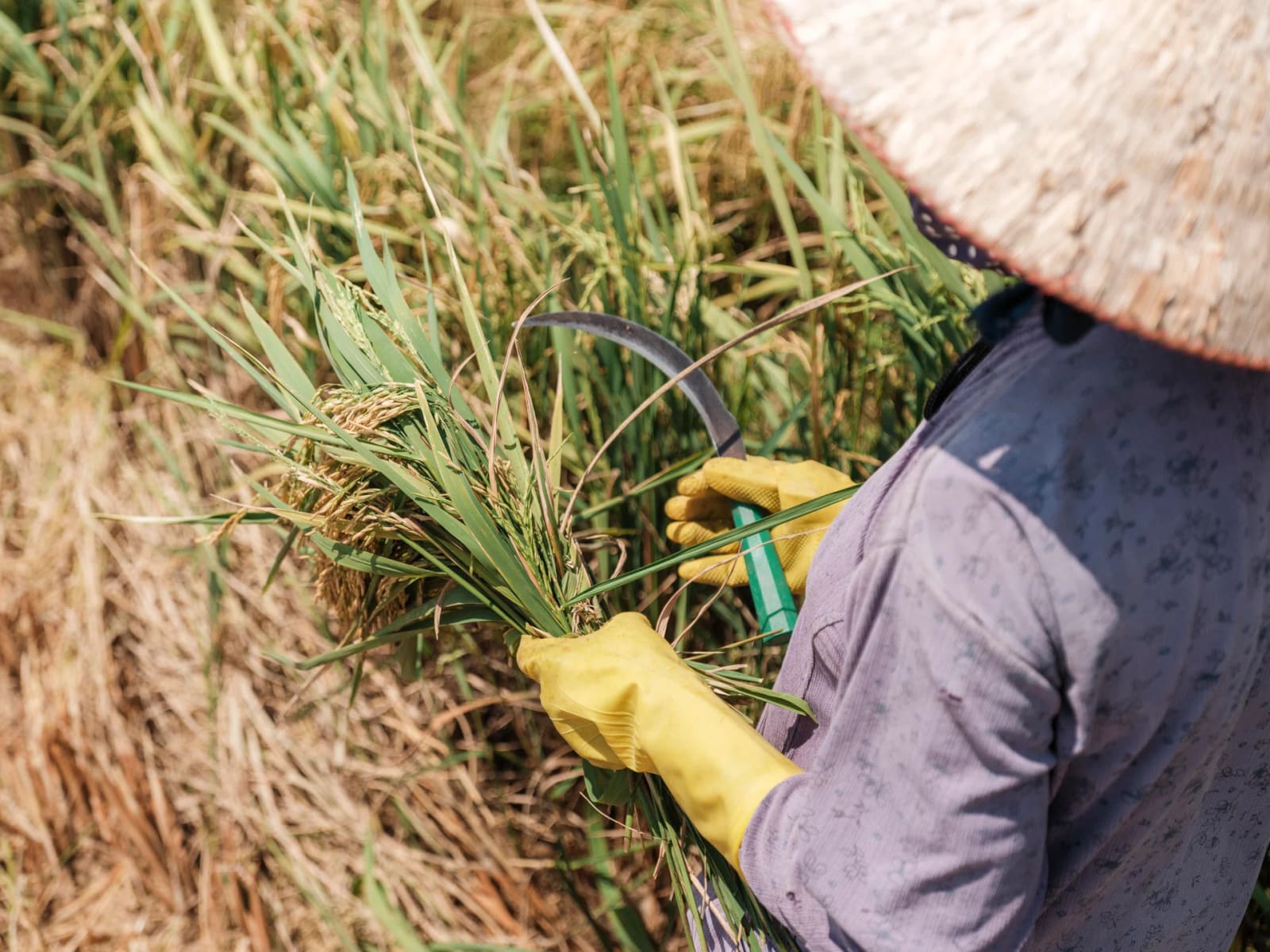
The rice market presents particular fragility. Global trade in rice remains thin, meaning modest supply disruptions frequently trigger export restrictions and panic buying that amplify price movements beyond actual shortage levels.
Livestock Costs Face Upward Pressure
The regional food system's interconnectedness means agricultural shocks in distant markets can cascade through Southeast Asian consumer prices. The region relies heavily on corn imports from Brazil and Argentina to feed livestock and poultry operations.
Higher corn prices stemming from El Niño impacts in South America would likely push up costs for poultry, eggs, dairy products, and livestock across Southeast Asia. Most countries in the region, with the exception of Thailand, depend substantially on food imports, making them vulnerable to global commodity price swings.
Fertilizer Squeeze Persists
The timing compounds existing cost pressures. Fertilizer trade through the Strait of Hormuz contracted by approximately 30 percent in early 2026, according to Segi Enam Advisors. These supply chains will require months to rebuild even after shipping lanes fully reopen.
What began as fuel-sensitive inflation in transport and aviation sectors has started seeping into food prices through lagged second-round effects. Goldman Sachs estimates that combined oil, fertilizer, and severe El Niño impacts could add 1 percentage point to Southeast Asian food inflation after six months, rising to 2.1 percentage points after twelve months.
Singapore and Malaysia may experience relatively muted impacts given food's lower weighting in their consumer price index baskets compared to Indonesia, the Philippines, and Thailand.
Economic Growth and Policy Trade-Offs
Agricultural output contributes roughly 10 percent of gross domestic product across ASEAN-6 countries excluding Singapore, according to Bank of America. The sector also accounted for approximately 10 percent of total merchandise exports from the region in 2025.
Governments face difficult policy trade-offs. Indonesia, Thailand, and Malaysia have expanded biofuel mandates to reduce reliance on imported fuel following recent global energy shocks. A tightening palm oil market may force reassessment of whether available supply can meet food demand before being diverted to biodiesel blends.
Malaysia's Ministry of Agriculture and Food Security has committed to issuing early warnings if El Niño begins affecting output and coordinating with regional partners to ensure adequate food supplies. Indonesia announced measures to strengthen irrigation systems in rice fields and plantation areas.
Structural Gaps Remain
Emergency responses including buffer-stock releases, export restrictions, price controls, and subsidies have characterized government interventions during past agricultural crises. These measures provide short-term relief but create fiscal pressure and can distort market signals.
Structural resilience measures receive less attention despite offering more durable protection. Investments in water storage capacity, drought-resistant seed varieties, digital weather surveillance systems, supply chain redundancy, and farmer financing infrastructure address root vulnerabilities rather than symptoms.
The convergence of climate volatility and persistent input cost inflation tests the region's agricultural resilience at a moment when food security carries heightened economic and social stakes. How governments balance immediate relief against longer-term capacity building will shape the region's ability to weather future shocks.
RELATED STORIES
Southeast Asian Firms Race to Raise Green Debt as Region Falls Behind on Renewables
Priyanka V. Rao · 3 min

Singapore Captures Two-Thirds of Southeast Asian EV Startup Capital
Priyanka V. Rao · 3 min

CIMB Commits to 55% Dividend Floor as Regional Portfolio Offsets Indonesia Pressure
Priyanka V. Rao · 4 min

Singapore Targets High-Value Data Centre Workloads as Neighbors Scale Up Capacity
Cheng Wei-Lun · 3 min
Spot something wrong? Email editor@briefasia.com. We log every correction publicly.