Finance · Markets
South Korean Retail Investors Pull Back as Margin Debt Hits Three-Month Low
Outstanding leveraged positions dropped to 32.75 trillion won as market correction forces traders to reduce risk exposure
KEY TAKEAWAYS
- ·Outstanding margin loans in South Korea fell to 32.75 trillion won as of Wednesday, the lowest level since April 9, according to the Korea Financial Investment Association.
- ·The decline reflects retail investors reducing leveraged stock positions as a prolonged market correction forces traders to cut risk exposure or face margin calls.
- ·The pullback in margin debt signals cooling risk appetite and could reduce trading volumes and volatility in South Korean equity markets in the near term.
Leveraged Bets Decline Amid Market Pressure
Retail investors in South Korea have sharply reduced their leveraged stock positions as market turbulence deepens. Outstanding margin loans dropped to 32.75 trillion won, or approximately $22.4 billion, as of Wednesday, according to data from the Korea Financial Investment Association. The figure marks the lowest level recorded since April 9, a three-month trough that reflects growing caution among individual traders.
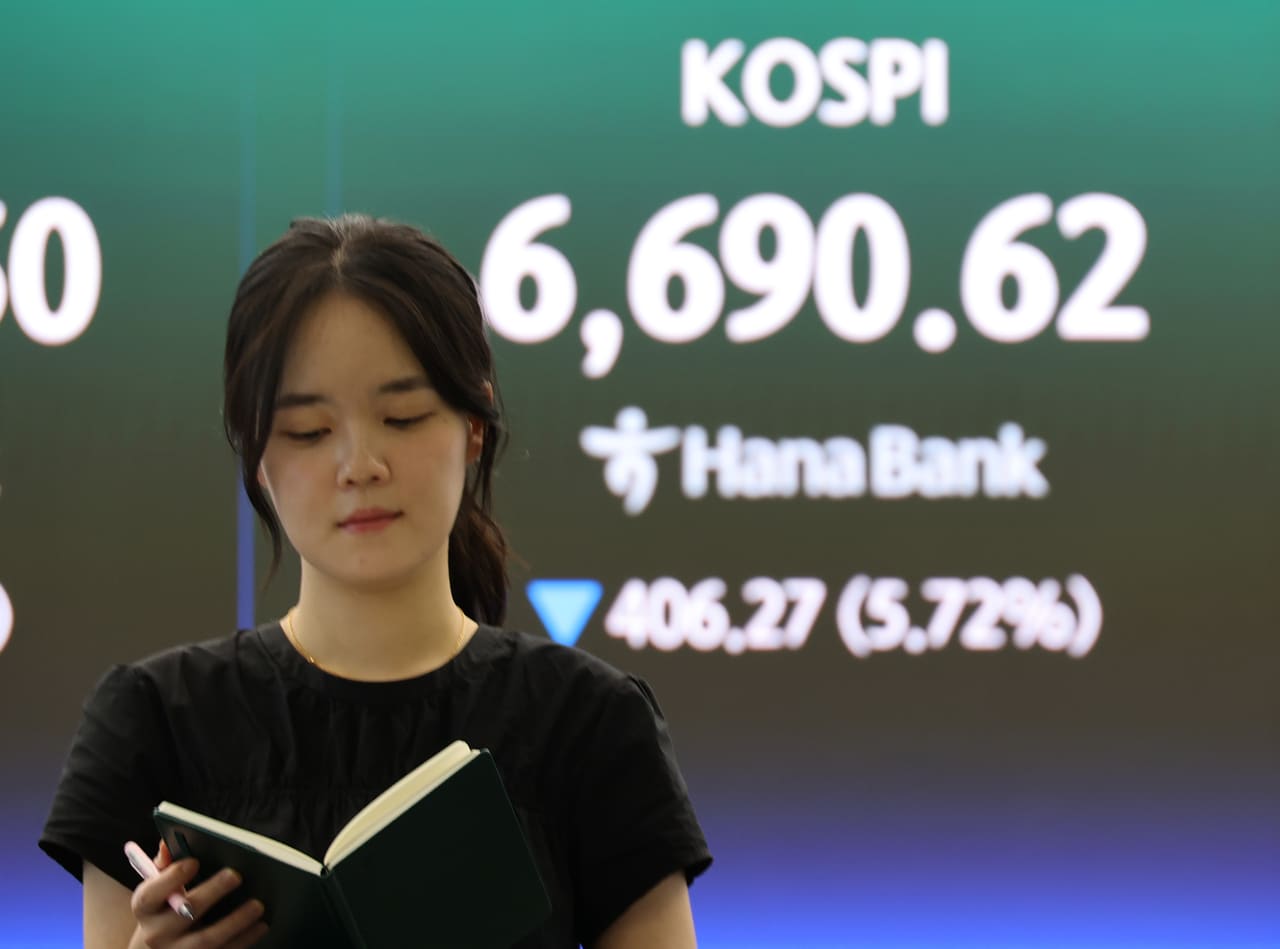
The decline in margin debt tracks closely with the trajectory of South Korean equity indices, which have faced persistent headwinds in recent weeks. As stock prices fell, investors holding leveraged positions confronted margin calls and mounting losses, prompting many to exit or scale back their borrowing. The pullback signals a shift in sentiment among retail traders, who had fueled much of the market's momentum during earlier rallies.
Risk Appetite Cools as Correction Extends
Margin loans serve as a barometer of retail speculation and risk appetite in South Korea's markets. When investors borrow to amplify their equity positions, rising margin debt typically accompanies bullish sentiment and upward price trends. The reverse holds true during downturns: falling margin balances indicate that traders are either being forced out of positions or choosing to reduce exposure voluntarily.
The sustained decline in leveraged positions suggests that retail investors, a dominant force in South Korean trading volumes, are reassessing their strategies. Many individual traders had piled into stocks during earlier upswings, betting on continued gains. The current correction has tested those wagers, and the data indicates that a significant number have opted to cut losses rather than double down.
Broader Implications for Market Liquidity
The contraction in margin debt carries implications beyond individual portfolios. Retail investors account for a substantial share of daily trading activity on South Korean exchanges, and their behavior influences liquidity and volatility. A prolonged retreat from leveraged positions could dampen trading volumes and reduce the amplitude of price swings, particularly in small- and mid-cap stocks where retail participation is heaviest.
Financial regulators and brokerage firms closely monitor margin loan trends as an indicator of systemic risk. Rapid deleveraging can amplify sell-offs, creating feedback loops where forced liquidations drive prices lower, triggering additional margin calls. While the current decline appears orderly, the three-month low in outstanding loans underscores the extent to which sentiment has shifted.
What Comes Next
The trajectory of margin debt in the coming weeks will depend largely on whether equity markets stabilize or continue to slide. If indices find support and begin to recover, some investors may re-enter leveraged positions, viewing the correction as a buying opportunity. Conversely, further declines could accelerate deleveraging and deepen the retreat from risk.
For now, the data paints a picture of caution. Retail investors, once eager to amplify returns through borrowing, are now focused on preserving capital. The shift reflects a broader recalibration in South Korean markets, where enthusiasm has given way to restraint as the correction stretches into its third month.
RELATED STORIES
Samsung Biologics Plans $2.2 Billion Rights Offering to Fund Peptide Acquisition
Jun-ho Seo · 3 min

Samsung Electronics Drops 8% as Market Questions Buyback Strategy
Cheng Wei-Lun · 2 min

Japan Deploys $96.5 Billion in Currency Intervention to Halt Yen's Slide
Aiko Nakamura · 3 min
Index Funds Face Hidden Concentration Risk From AI Boom
Cheng Wei-Lun · 3 min
Spot something wrong? Email editor@briefasia.com. We log every correction publicly.