Technology · AI
SoftBank Reclaims Japan's Top Valuation Spot on AI Wave
Masayoshi Son's conglomerate briefly surpassed Toyota Motor in market cap for the first time in over two decades, powered by artificial intelligence bets
KEY TAKEAWAYS
- ·SoftBank Group surpassed Toyota Motor in market capitalization in June 2026, the first time in 22 years it held Japan's top valuation spot.
- ·The shift reflects investor confidence in SoftBank's AI portfolio, anchored by its 90% stake in Arm Holdings and investments in OpenAI.
- ·SoftBank's valuation remains volatile and sensitive to AI spending trends, while Toyota faces skepticism over its electric vehicle strategy.
Return to the Summit
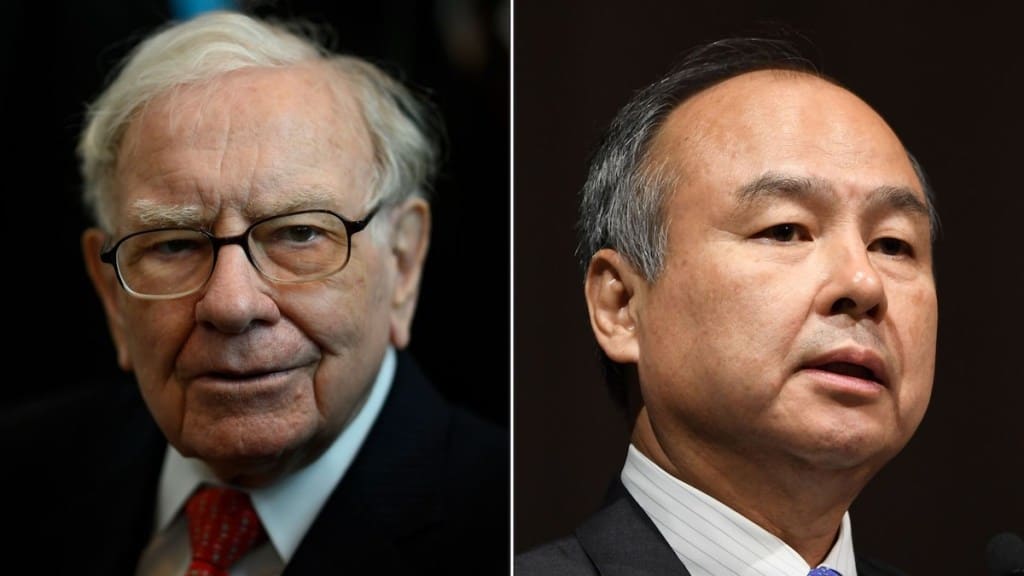
SoftBank Group reached a milestone in June that had eluded it for more than two decades. The Tokyo-based conglomerate briefly exceeded Toyota Motor in market capitalization, reclaiming the position of Japan's most valuable publicly traded company for the first time since 2004.
The shift reflects how artificial intelligence has reshaped investor sentiment toward Masayoshi Son's sprawling investment vehicle. While the valuation leadership proved temporary, the moment underscored SoftBank's transformation from a company searching for direction to one riding the AI infrastructure wave.
Son has positioned his conglomerate at the center of the global AI buildout, with stakes spanning semiconductor design, robotics, and enterprise software. The strategy represents a sharp pivot from the real estate and consumer technology investments that dominated SoftBank's portfolio in recent years.
The AI Portfolio
SoftBank's market resurgence stems largely from its 90% ownership of Arm Holdings, the British chip design firm that went public on Nasdaq in September 2023. Arm's architecture powers the majority of smartphones globally and is increasingly essential to AI processors used in data centers.
The conglomerate also holds investments in OpenAI, the creator of ChatGPT, and has deployed capital into AI-focused startups through its Vision Fund vehicles. These bets have gained traction as enterprises accelerate spending on machine learning infrastructure and generative AI tools.
Son has described himself as a "crazy guy" willing to make contrarian bets that others avoid. That approach yielded spectacular returns with early investments in Alibaba and Yahoo, but also produced painful losses through WeWork and a series of failed late-stage technology bets.
The current AI cycle has vindicated Son's conviction that computing power and machine intelligence would define the next technology era. SoftBank's share price more than doubled between late 2023 and mid-2026 as AI hype intensified.
Toyota's Industrial Reality
Toyota's relative decline in market value does not reflect operational weakness. The automaker remains the world's largest car manufacturer by volume and continues to generate substantial profits from hybrid and internal combustion vehicles.
However, investors have grown cautious about traditional automotive businesses as the industry navigates the transition to electric vehicles and autonomous driving. Toyota's conservative approach to battery-electric models has raised questions about its competitiveness against rivals investing more aggressively in electrification.
The valuation gap between SoftBank and Toyota illustrates a broader pattern in Japanese markets. Technology and AI-exposed companies have attracted premium multiples, while industrial giants face skepticism about their ability to adapt to digital disruption.
Volatility Ahead
SoftBank's return to the top of Japan's market cap rankings may prove fleeting. The company's valuation remains highly sensitive to swings in Arm's share price and broader sentiment around AI spending.
Son has pledged to invest tens of billions of dollars in AI infrastructure, including data centers and next-generation computing projects. The scale of these commitments will test whether the current AI boom can sustain the revenue growth needed to justify elevated valuations.
The conglomerate also carries substantial debt and has faced criticism for corporate governance practices that concentrate power in Son's hands. These structural issues could limit SoftBank's ability to capitalize on AI opportunities if market conditions deteriorate.
For now, the brief overtaking of Toyota signals that investors see SoftBank as a barometer for AI's commercial viability. Whether that proves blessing or curse will depend on how quickly artificial intelligence moves from experimental budgets to core enterprise infrastructure.
RELATED STORIES
Taiyo Yuden Lifts Full-Year Forecast as AI Server Demand Boosts Capacitor Sales
Cheng Wei-Lun · 3 min
Ajinomoto Lifts Forecast as AI Server Demand Drives Semiconductor Material Sales
Cheng Wei-Lun · 3 min
SoftBank's First-Quarter Profit Falls 18 Percent Despite Intel Stake Gains
Cheng Wei-Lun · 3 min
Japan Embeds Cyber Defense in Air Force Systems as AI Threats Grow
Aiko Nakamura · 4 min
Spot something wrong? Email editor@briefasia.com. We log every correction publicly.