Finance · Banking
SMBC Taps Credit Suisse Veteran to Drive Complex Deals in Asia
Carsten Stoehr is steering Japan's Sumitomo Mitsui Banking toward higher-margin structured finance as the country's lenders chase profitability beyond traditional lending
KEY TAKEAWAYS
- ·Sumitomo Mitsui Banking has appointed Carsten Stoehr, a Credit Suisse veteran, as Asia-Pacific deputy head to drive more complex, higher-margin financing deals across the region.
- ·The move reflects a broader pivot by Japanese megabanks away from low-margin traditional lending, forced by decades of near-zero domestic interest rates that have compressed profitability.
- ·SMBC now competes with expanded investment banking units at MUFG and Mizuho, as well as Singapore's DBS and OCBC, in structured finance and cross-border transactions across Asia-Pacific.
A New Playbook for Japanese Banking
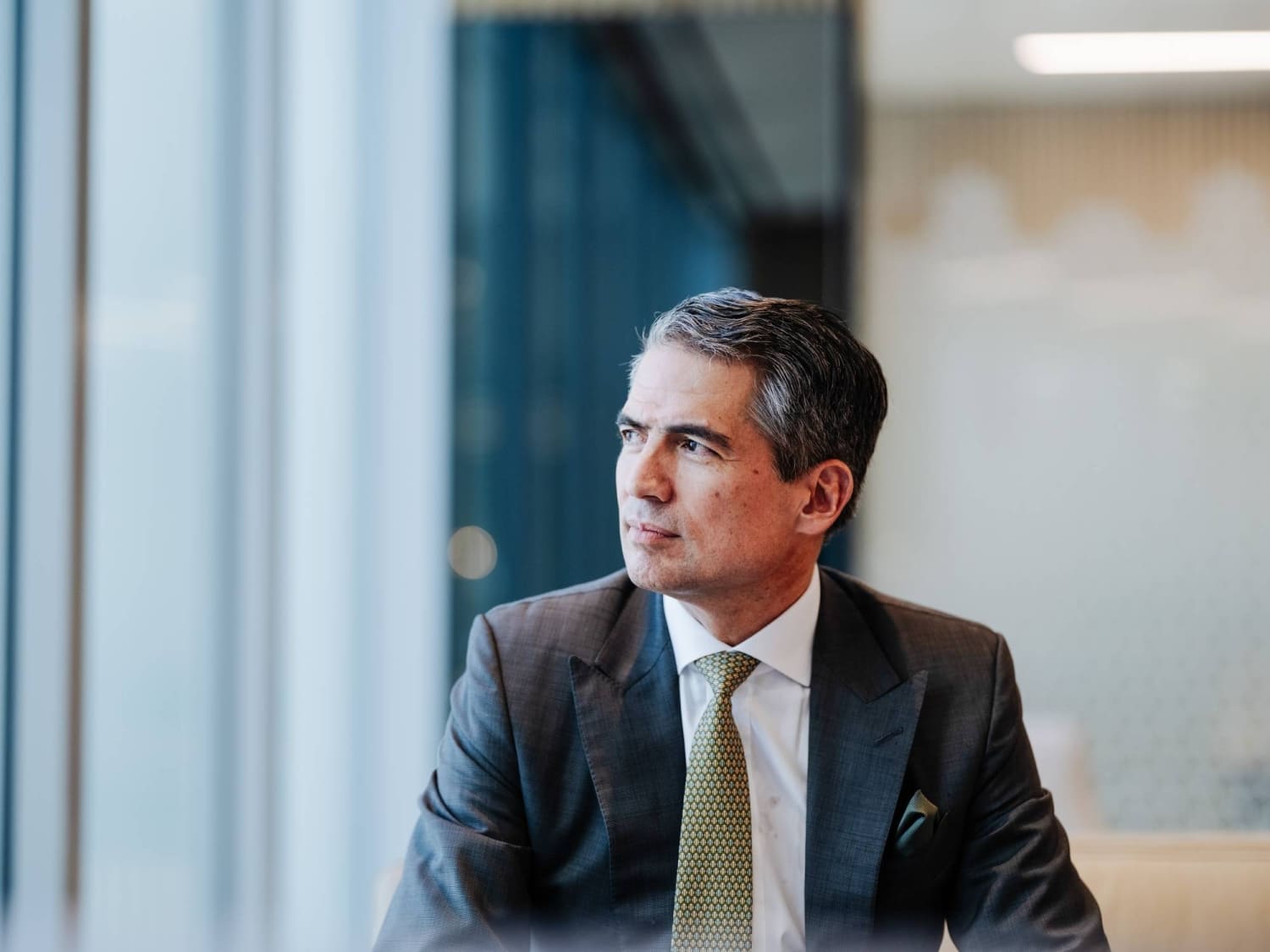
Sumitomo Mitsui Banking Corporation has placed Carsten Stoehr, a veteran of Credit Suisse, at the helm of its push into more intricate financing structures across Asia-Pacific. As deputy head for the region, Stoehr is tasked with steering the institution toward deals that promise higher margins than the bread-and-butter corporate loans that have long defined Japanese banking.
The appointment reflects a strategic shift underway at Japan's megabanks. Decades of near-zero domestic interest rates have compressed lending spreads to razor-thin levels, forcing institutions to look beyond plain-vanilla credit facilities. SMBC's move to bring in external expertise from a Western investment bank underscores the urgency of that transition.
Stoehr's mandate centers on structured finance, cross-border transactions, and syndicated deals that require deeper risk assessment and pricing sophistication. These are domains where Japanese lenders have historically played supporting roles, content to follow European and American arrangers. Now, with profitability under pressure at home, SMBC is positioning itself to lead rather than follow.
Why Japanese Banks Are Changing Course
Japan's three megabanks have spent years navigating an environment where the Bank of Japan's ultra-loose monetary policy left little room for net interest margin expansion. Loan growth has been tepid, and competition for creditworthy domestic borrowers remains fierce. The result has been a steady erosion of return on equity, a metric closely watched by investors.
Asia-Pacific, by contrast, offers a different landscape. Infrastructure buildouts, energy transitions, and technology investments across the region demand capital in forms that go beyond simple term loans. Mezzanine financing, project bonds, and leveraged buyout facilities require banks to price risk more precisely and structure terms more creatively. The fees and spreads on such deals can be multiples of what traditional lending generates.
SMBC's decision to elevate someone with Stoehr's background signals a recognition that internal talent pipelines, while strong in relationship banking and credit discipline, may lack the structuring and execution experience needed for this new terrain. Credit Suisse, despite its troubled final years, built a reputation in Asia for arranging complex cross-border financings and advising on large-scale M&A.
The Competitive Landscape
SMBC is not alone in this pivot. Mitsubishi UFJ Financial Group has been expanding its investment banking capabilities through its MUFG Securities unit, while Mizuho Financial Group has deepened its focus on infrastructure and renewable energy financing. All three have been hiring from Western banks and boutique advisory firms to accelerate the shift.
The competition extends beyond Japan. Singapore's DBS and OCBC have grown their investment banking arms, while Chinese policy banks continue to dominate large infrastructure deals across Southeast Asia and South Asia. Australian banks, too, have carved out niches in project finance and trade corridors linking the Pacific and Indian Ocean economies.
For SMBC, the challenge is not just about deal origination but also about risk management. Complex financings carry tail risks that can materialize in ways vanilla loans do not. Regulatory capital requirements for structured products are higher, and market conditions can turn quickly, especially in emerging markets where currency volatility and political uncertainty remain constants.
What This Means for the Region
If SMBC succeeds in scaling its structured finance business, it could reshape the competitive dynamics of Asia-Pacific capital markets. Japanese banks bring deep balance sheets, patient capital, and longstanding relationships with regional corporates and governments. Pairing those strengths with the structuring expertise of advisors like Stoehr could produce a formidable combination.
The broader implication is that Asia's capital markets are maturing. As local and regional banks become more sophisticated arrangers, the dominance of Wall Street and European investment banks in the region's most lucrative deals may begin to erode. That shift would mirror what happened in equity capital markets over the past decade, where Asian bookrunners steadily gained share in IPOs and follow-on offerings.
For corporate borrowers and project sponsors, the trend is likely positive. More competition among arrangers typically translates into better pricing and more flexible terms. It also means access to a wider pool of capital, particularly for deals that sit at the intersection of traditional banking and capital markets.
The test for SMBC will be execution. Hiring talent is one thing; building the institutional muscle to underwrite, structure, and distribute complex deals at scale is another. The bank's ability to integrate Stoehr's approach into its existing culture and risk framework will determine whether this strategic bet pays off or becomes another cautionary tale of ambition outpacing capability.
RELATED STORIES

Japan Wage Growth Hits 29-Year High, Reinforcing Central Bank Rate Path
Aiko Nakamura · 3 min

ABN Amro Clearing to Break Into Japan's Power Futures Market
Tran Quoc Bao · 3 min
Bank of Japan Signals Possible Rate Increase This Month
Aiko Nakamura · 3 min

Japan Deploys $96.5 Billion in Currency Intervention to Halt Yen's Slide
Aiko Nakamura · 3 min
Spot something wrong? Email editor@briefasia.com. We log every correction publicly.