Technology · Products
Smart Communications Tests Satellite Messaging for Disaster Response in the Philippines
The wireless carrier completed pilot trials in Batangas to evaluate satellite-to-device technology for emergency alerts when terrestrial networks fail.
KEY TAKEAWAYS
- ·Smart Communications completed satellite-to-device pilot trials in Batangas focused on emergency alert dissemination during disasters when land-based cell infrastructure is disrupted.
- ·The carrier is partnering with Lynk Global to deploy low earth orbit satellites that function as cell towers in space, targeting unconnected areas and maritime users beyond traditional coverage.
- ·Smart is competing with Globe Telecom, which activated a similar satellite service earlier this year through Starlink to reach the final four percent of unconnected Filipinos.
Testing Emergency Communications Beyond Terrestrial Networks
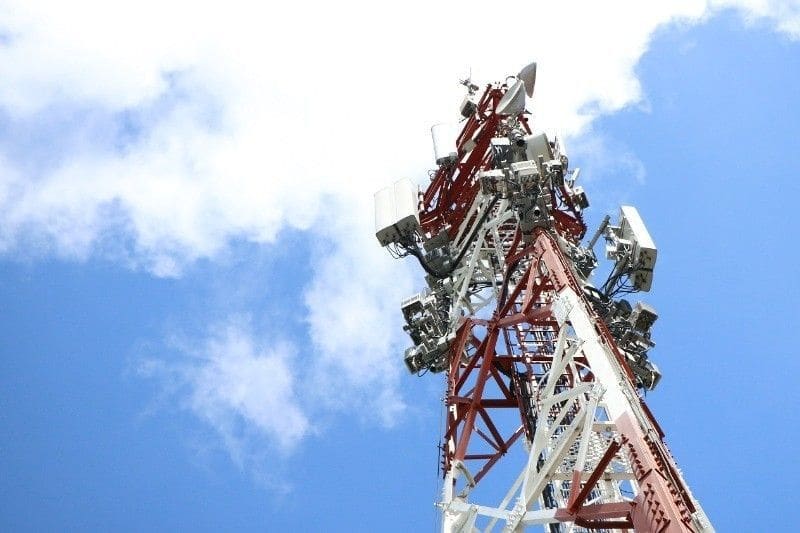
Smart Communications Inc. has advanced its satellite-to-device trials with a pilot program in Batangas that simulated emergency response scenarios where conventional cell towers might be unavailable. The wireless carrier announced the completion of the test, which evaluated how satellite messaging could disseminate evacuation orders and emergency alerts during disasters that disrupt land-based infrastructure.
The Batangas trial represents the telco's third satellite pilot activity, following earlier tests in Catanduanes and Ilocos Norte. Those previous trials examined how satellite signals could complement terrestrial assets in remote municipalities. The latest pilot shifts focus to disaster resilience, a critical consideration for an archipelago nation where typhoons, earthquakes, and floods routinely damage communications infrastructure.
Smart is working with Lynk Global Inc., which operates low earth orbit satellites that function as cell towers in space. The partnership aims to beam connectivity directly to mobile devices on the ground, enabling text messaging and basic communication services without requiring traditional cell site infrastructure.
The Race for Satellite-Connected Subscribers
The satellite-to-device push addresses two distinct market segments. First, it targets the remaining unconnected areas where building physical cell sites remains economically or geographically impractical. Second, it creates a backup layer for disaster response when existing networks fail.
"Our mission at PLDT is to be there for all Filipinos, whether they are talking to family abroad, or requesting assistance from a rooftop in the middle of a calamity," said Menardo Jimenez Jr., chief operating officer of parent company PLDT Inc.
Beyond emergency use, Smart envisions the technology serving fishermen and seafarers operating beyond the reach of coastal cell towers. These maritime users represent a segment that has historically lacked reliable mobile connectivity once vessels move offshore.
Smart is entering a competitive field. Globe Telecom Inc. activated a similar satellite-to-device service earlier this year through a partnership with Starlink, the satellite internet venture operated by Elon Musk's SpaceX. Globe positioned its offering as a solution to connect the final four percent of Filipinos who remain outside traditional cell site coverage.
Technical and Regulatory Considerations
Satellite-to-device technology differs from conventional satellite internet services. Rather than requiring specialized equipment or terminals, the systems work with standard mobile phones, using satellites that communicate directly with handset chipsets. The technology typically supports text messaging and basic data, though bandwidth constraints limit functionality compared to terrestrial 4G or 5G networks.
The Philippine market presents particular challenges and opportunities for satellite connectivity. The country's 7,600-island geography creates coverage gaps that are difficult to close with terrestrial infrastructure alone. Frequent natural disasters further underscore the need for resilient backup communications systems that can operate independently of ground-based towers.
Regulatory frameworks for satellite-to-device services remain in development across Southeast Asia. Spectrum allocation, licensing requirements, and coordination with existing terrestrial networks will shape how carriers deploy these systems at commercial scale.
Infrastructure Strategy and Investment Priorities
Smart's satellite trials run parallel to continued investment in conventional cell sites. The telco has not disclosed specific capital expenditure allocated to satellite technology, but the pilot programs signal a hedging strategy that combines terrestrial density in urban areas with satellite coverage for edge cases.
The disaster response angle also aligns with government priorities. Philippine authorities have long sought more resilient communications systems for emergency coordination, particularly in regions vulnerable to typhoons and other climate-related events. Satellite-to-device capability could provide a communications lifeline when conventional networks are knocked offline by storms or infrastructure damage.
As Smart continues testing, the company will need to address questions around service pricing, device compatibility, and network handoff between satellite and terrestrial systems. The technology's viability at commercial scale depends on solving these operational challenges while maintaining cost structures that work for both the carrier and subscribers.
The satellite-to-device trials represent a longer-term infrastructure bet for Smart, one that acknowledges the limits of terrestrial networks while positioning the company for a market where connectivity expectations extend beyond traditional cell site boundaries.
RELATED STORIES
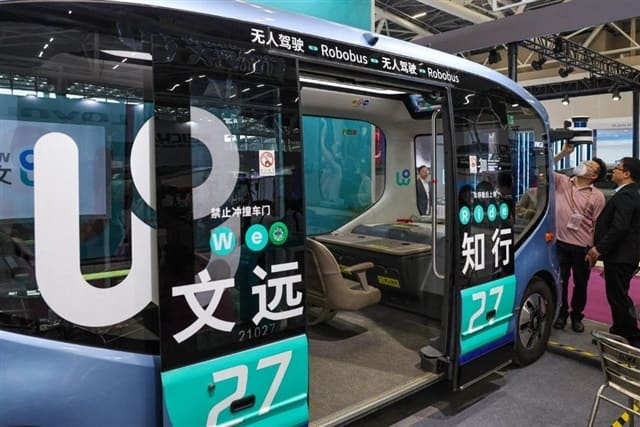
WeRide Eyes Regional Push Across Australia and Asia-Pacific Markets
Cheng Wei-Lun · 2 min
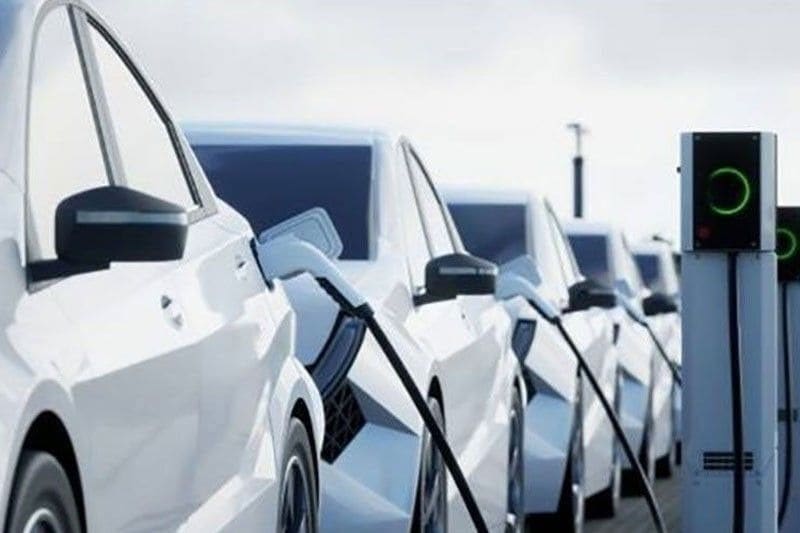
BYD Scales Philippines Presence as Electric Vehicle Adoption Accelerates
Priyanka V. Rao · 3 min
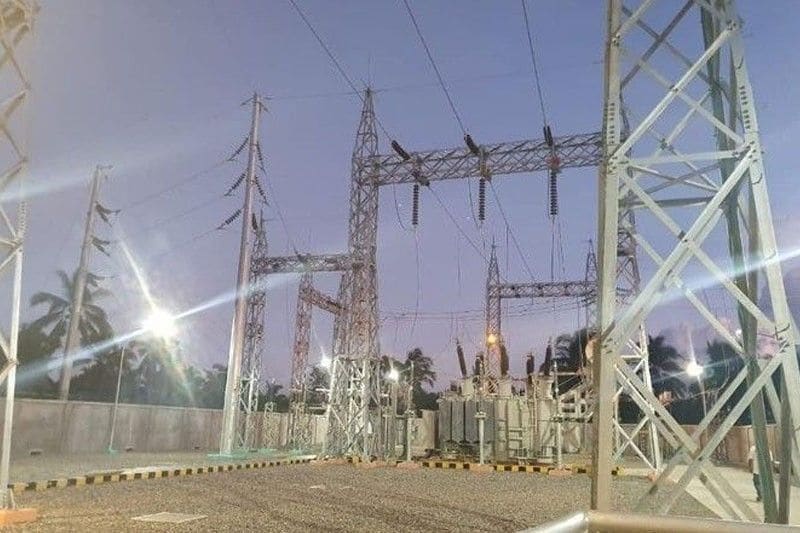
Razon's Negros Power Pushes P2.1 Billion Grid Modernization
Mariel D. Santos · 3 min
Energy Infrastructure Deals Climb in Southeast Asia Amid AI Demand and Security Concerns
Cheng Wei-Lun · 4 min
Spot something wrong? Email editor@briefasia.com. We log every correction publicly.