Technology · Products
BYD Scales Philippines Presence as Electric Vehicle Adoption Accelerates
Chairman Wang Chuanfu's Manila visit underscores automaker's commitment to Southeast Asia's emerging EV market, with 81 dealerships now operational and more models in the pipeline.
KEY TAKEAWAYS
- ·BYD chairman Wang Chuanfu visited the Philippines in August, signaling plans to expand the automaker's vehicle lineup beyond its current 81 dealerships and four premium Denza outlets.
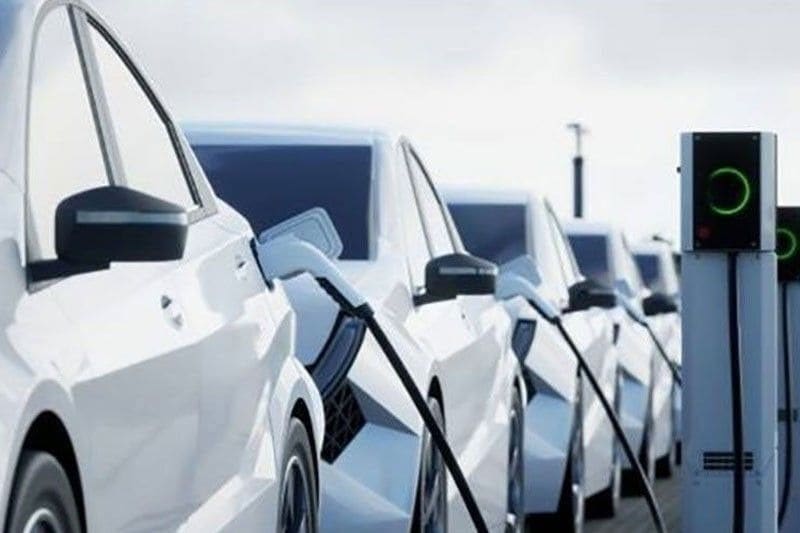
- ·Distributor ACMobility is investing in charging infrastructure and after-sales support to address high mobility costs and range anxiety among Filipino buyers.
- ·The Philippines expansion tests whether private infrastructure investment can drive EV adoption in Southeast Asian markets lacking comprehensive government incentives.
Chairman Signals Expansion Push
BYD Co. Ltd. chairman and president Wang Chuanfu traveled to Manila in mid-August to assess the automaker's Philippines operations, a visit that coincides with the company's plan to broaden its vehicle portfolio in the archipelago. The trip reflects BYD's view of the Philippines as a strategic growth market within Southeast Asia's electrification push, according to BYD Cars Philippines.
Wang described the country as "one of the most exciting and promising markets for NEVs in the region" and highlighted the partnership with local distributor ACMobility, which began vehicle distribution in 2023.
Distributor Frames Mobility Cost Challenge
ACMobility CEO Jaime Alfonso Zobel de Ayala positioned electric vehicles as a solution to high transportation costs facing Filipino households. The distributor has deployed resources across the ownership chain, including retail footprint, charging infrastructure and after-sales support, Zobel noted.
BYD Cars Philippines managing director Bob Palanca confirmed the automaker will continue to expand its lineup in the country. He characterized Wang's visit as a vote of confidence in both ACMobility and the Philippine market, citing three years of collaborative progress.
The company currently operates 81 BYD dealerships and four Denza brand outlets across the Philippines. Denza represents BYD's premium vehicle segment.
Dealer Network and Ecosystem Investment
During his Manila visit, Wang met with dealer principals and business partners for both BYD and Denza brands. BYD and Denza Philippines country head Adam Hu said the company is expanding its network for both brands while investing in charging infrastructure to make electrified mobility more accessible to Filipino drivers.
The Philippines represents a test case for BYD's Southeast Asia expansion strategy. The archipelago's geography presents distinct challenges for charging infrastructure deployment compared to more compact markets like Singapore or concentrated urban centers elsewhere in the region. BYD's approach of pairing vehicle sales with charging network investment addresses a barrier that has slowed EV adoption in markets where public charging remains sparse.
Regional Context and Market Positioning
BYD's Philippines push comes as the automaker competes for market share across Southeast Asia, where governments in Thailand, Indonesia and Vietnam have introduced EV incentives and local production mandates. The Philippines has lagged regional peers in offering comprehensive tax breaks or subsidies for electric vehicles, making distributor-led ecosystem investment more critical to driving adoption.
The company's partnership model with ACMobility, a unit of the Ayala conglomerate, mirrors strategies employed by other Chinese automakers entering Southeast Asian markets through established local groups with financing arms and real estate assets that can support dealership expansion.
BYD's dual-brand strategy, offering mass-market BYD models alongside premium Denza vehicles, allows the automaker to capture both cost-conscious buyers and higher-income segments. This approach contrasts with competitors focusing solely on entry-level EVs or luxury offerings in the market.
The automaker's emphasis on "world-class electrified vehicles" accessible to Filipino families suggests pricing will remain a competitive lever as more models enter the lineup. No specific new models or launch timelines were disclosed during Wang's visit.
What Comes Next
BYD's expansion in the Philippines will test whether distributor-led infrastructure investment can accelerate EV adoption in a market without significant government incentives. The outcome will inform strategies for other Southeast Asian markets with similar policy environments.
ACMobility's commitment to expanding charging solutions addresses one of the primary concerns for potential EV buyers in the archipelago, where range anxiety remains a purchase barrier. The distributor's ability to deploy charging infrastructure at scale will likely determine how quickly BYD can grow volume beyond early adopters in Metro Manila.
The automaker's focus on the Philippines also signals confidence that Southeast Asia's archipelago markets, despite logistical complexity, represent viable growth opportunities as EV production capacity in China seeks new export outlets amid cooling domestic demand and rising trade tensions with Western markets.
RELATED STORIES
WeRide Eyes Regional Push Across Australia and Asia-Pacific Markets
Cheng Wei-Lun · 2 min
China's Electric Truck Exports Surge as Fuel Costs Rise Across Asia
Cheng Wei-Lun · 3 min
Philippines Dairy Imports Rise 2% as Domestic Production Stalls
Priyanka V. Rao · 2 min

DoubleDragon Core Earnings Jump 162% as Property Portfolio Matures
Priyanka V. Rao · 4 min
Spot something wrong? Email editor@briefasia.com. We log every correction publicly.