Asia · Business
Philippines Dairy Imports Rise 2% as Domestic Production Stalls
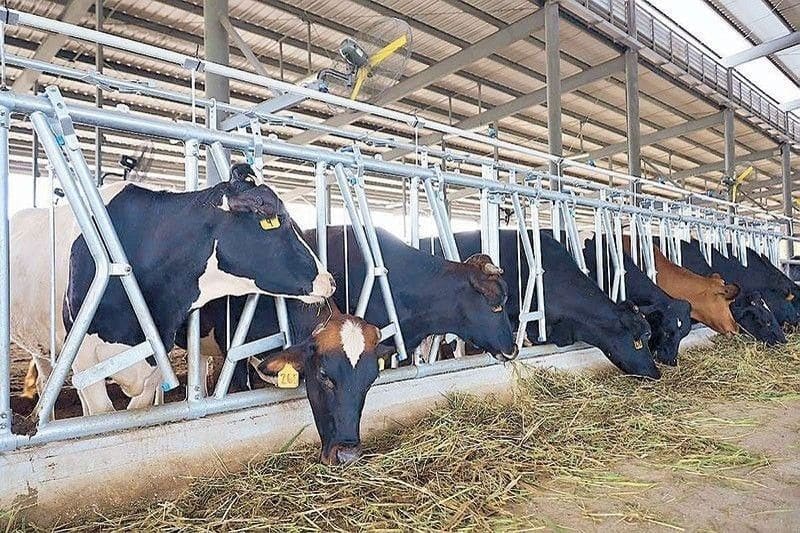
The country imported 1.76 million metric tons of dairy in the first half of 2026, with local output accounting for barely 1.4% of total supply.
KEY TAKEAWAYS
- ·Philippine dairy imports grew 2% to 1.76 million metric tons in the first half of 2026, while import spending jumped 7% to PHP 46.26 billion.
- ·Domestic production accounted for only 1.42% of total dairy supply, leaving the country 98.58% reliant on foreign sources.
- ·Ready-to-drink liquid milk imports surged 21% year-on-year, the fastest growth among all dairy categories tracked by the National Dairy Authority.
Import Volumes Edge Higher
Philippine dairy imports reached 1.76 million metric tons in liquid milk equivalent during the first six months of 2026, a 2% increase from 1.72 million metric tons recorded in the same period of 2025, according to the National Dairy Authority. Import spending rose faster than volume, climbing 7% to PHP 46.26 billion from PHP 43.26 billion year-on-year.
Foreign dairy products accounted for 98.58% of total supply in the first half, leaving domestic production at 1.42% of the market. The gap illustrates a structural challenge that has persisted for years: the Philippines produces only a fraction of the dairy it consumes, forcing it to lean heavily on imports to meet demand across retail, food service, and manufacturing channels.
Skim Milk Powder Leads the Mix
Skim milk powder remained the largest category, representing 40% of all dairy imports by volume. Shipments of SMP rose 5% to 713,270 metric tons from 675,250 metric tons in the prior-year period. A catch-all "other dairy imports" category, which includes cheese, butter, and specialty products, also grew 5% to 713,810 metric tons and made up more than 40% of the total.
Ready-to-drink liquid milk posted the sharpest gain, surging 21% to 66,650 metric tons from 55,160 metric tons. The category still represents a modest share at just over 3% of imports, but the pace of growth suggests shifting consumption patterns, particularly in urban centers where convenience and retail availability drive purchasing decisions.
Powdered milk products beyond skim milk, including whole milk powder and buttermilk, declined 6.5% to 269,940 metric tons from 316,360 metric tons. These products accounted for 15% of total imports during the period.
The Case for Local Production
The National Dairy Authority acknowledged that the wide gulf between domestic output and consumption highlights the country's ongoing import dependence. The agency said it plans to continue herd build-up programs, improve animal productivity, strengthen feed and forage systems, raise farm-level efficiency, and expand infrastructure across the dairy value chain.
Building a viable domestic dairy sector in the Philippines faces multiple headwinds. Land availability for large-scale pasture is limited, feed costs are high, and tropical climate conditions can stress cattle breeds optimized for temperate environments. Small herd sizes and fragmented farm operations also constrain economies of scale, making it difficult for local producers to compete on price with bulk imports from New Zealand, the United States, and Europe.
Regional Context
The Philippines is not alone in Southeast Asia in relying on dairy imports. Indonesia, Vietnam, and Thailand all import substantial volumes to meet demand, though some have made greater strides in developing domestic capacity. Thailand, for example, has invested in cooperative structures and processing facilities that support smallholder farmers, while Indonesia has pursued large-scale cattle importation programs to build breeding stock.
For the Philippines, dairy self-sufficiency remains a long-term ambition rather than a near-term target. Import volumes are likely to remain elevated as population growth and rising incomes continue to lift consumption of milk, cheese, yogurt, and other dairy products. The question facing policymakers is whether targeted investment in genetics, feed infrastructure, and farmer training can narrow the gap over the next decade, or whether the economics of tropical dairy farming will keep the country dependent on foreign supply.
RELATED STORIES
Philippines Rice Self-Sufficiency Climbs to 78% as Import Ban Reverses Multi-Year Decline
Priyanka V. Rao · 3 min
Philippine OFW Transfers Climb to $3.39 Billion in June Amid Slowing Growth
Priyanka V. Rao · 3 min

San Miguel Reports 48% Core Profit Surge on Energy and Food Strength
Mariel D. Santos · 3 min
Shell Philippines Posts P2.7 Billion Loss as Mideast Oil Crisis Hits Margins
Priyanka V. Rao · 3 min
Spot something wrong? Email editor@briefasia.com. We log every correction publicly.