Technology · Dev
SK Hynix Denies Talks Over Intel's Ohio Semiconductor Campus
South Korean chipmaker issues formal disclosure refuting reports of negotiations for Intel's under-construction New Albany facility
KEY TAKEAWAYS
- ·SK Hynix issued a formal disclosure on July 22 denying any pursuit or decision to acquire Intel's under-construction Ohio semiconductor site.
- ·The denial contradicts a JoongAng Ilbo report suggesting negotiations were underway between the two companies over the New Albany campus.
- ·Intel's Ohio facility represents a major U.S. semiconductor investment, making any ownership change strategically significant amid reshoring efforts.
Formal Denial
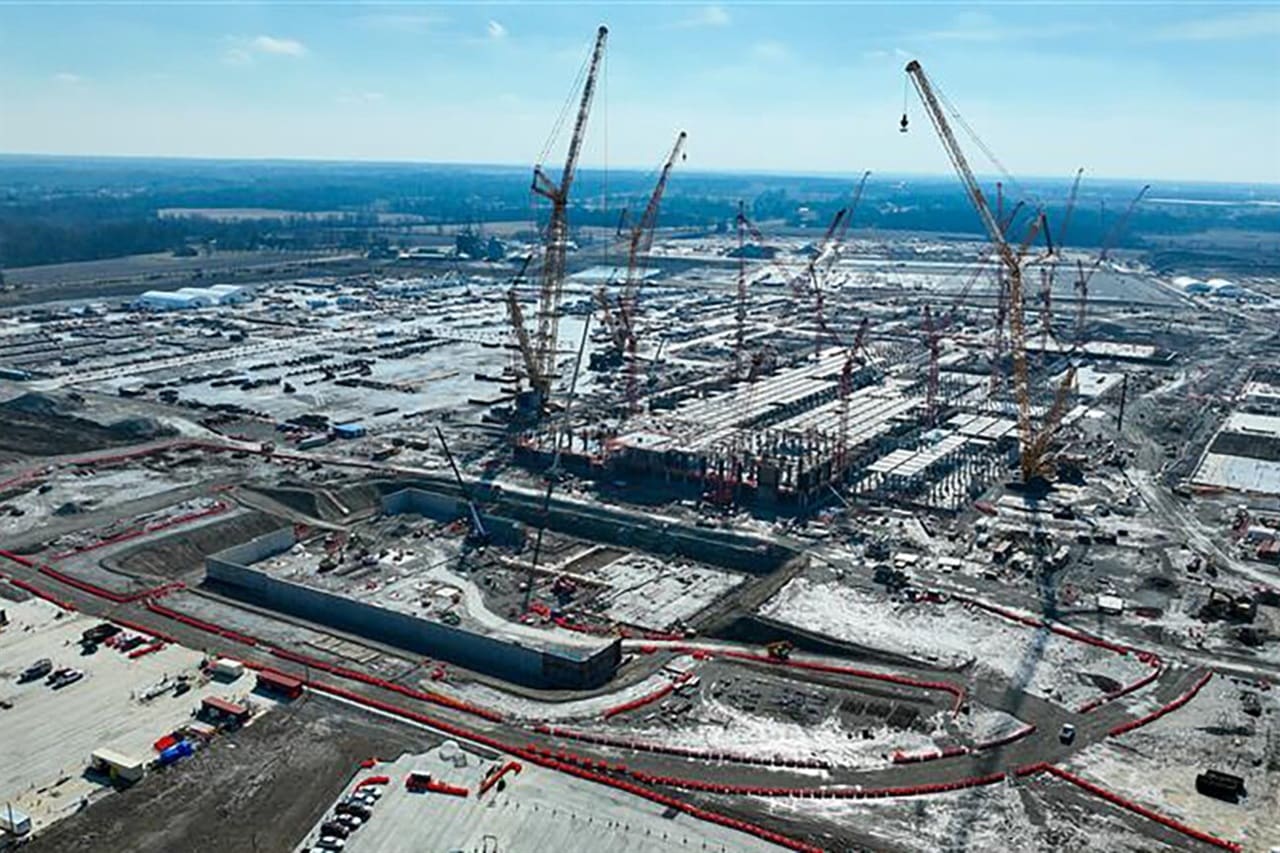
SK Hynix issued a formal disclosure on July 22 stating it has neither pursued nor decided on acquiring Intel's semiconductor site currently under construction in New Albany, Ohio. The statement directly contradicted a report from JoongAng Ilbo suggesting the two companies were in negotiations over the campus.
The South Korean memory chipmaker's public denial underscores the sensitivity around any potential transaction involving major semiconductor manufacturing assets in the United States. Intel's Ohio site represents one of the largest planned semiconductor investments on U.S. soil, making any ownership change a matter of strategic significance.
The Ohio Campus
Intel announced the Ohio One semiconductor campus as part of a broader strategy to expand domestic chip production capacity. The New Albany facility sits at the center of Intel's plans to rebuild its manufacturing footprint and compete more aggressively in advanced logic production.
Construction timelines and the facility's eventual production focus have been subject to adjustments as Intel navigates shifting market conditions and government funding timelines. The campus was designed to house multiple fabrication plants, though Intel has calibrated its buildout pace to match demand signals and capital availability.
Asia Angle on U.S. Fab Assets
The rumored interest from SK Hynix, if it had materialized, would have marked a notable shift in how Asian chipmakers approach U.S. manufacturing infrastructure. Historically, Asian semiconductor firms have built their own facilities stateside rather than acquiring incomplete projects from competitors.
SK Hynix operates memory production in South Korea and China, with a technology focus distinct from Intel's logic chip business. Any acquisition of Intel fab capacity would have required strategic rationale beyond simple geographic expansion, likely involving technology licensing, production partnerships, or diversification into adjacent chip categories.
The denial also reflects broader caution among Asian chipmakers about high-profile U.S. acquisitions. Regulatory scrutiny, particularly around technology transfer and national security considerations, has made cross-border semiconductor deals more complex in recent years.
Market Context
Intel has faced pressure to monetize assets and streamline operations as it invests heavily in manufacturing upgrades and process technology catch-up. The company has explored partnerships, joint ventures, and selective divestitures to balance capital deployment with operational focus.
For SK Hynix, the focus remains on memory technologies, high-bandwidth memory for AI accelerators, and maintaining technological leadership in DRAM and NAND. The company has secured key supply relationships with major AI chip designers, positioning it well in the current market cycle without needing to venture into logic manufacturing.
The Ohio campus continues to represent a test case for large-scale semiconductor reshoring in the United States. Completion timelines, workforce development, and integration into global supply chains will determine whether the site becomes a model for future investments or a cautionary tale about the challenges of rebuilding domestic chip capacity.
What Comes Next
SK Hynix's swift denial suggests the company is sensitive to market speculation about its strategic direction. Any major acquisition would require board approval and regulatory clearance, making premature reports potentially disruptive to both internal planning and external partnerships.
Intel, for its part, has not commented on the specifics of the report or whether it has entertained any offers for the Ohio site. The company's public stance remains that the campus is central to its long-term manufacturing strategy and part of its commitment to U.S. chip production.
The episode highlights how quickly rumors can circulate in an industry where capacity, location, and ownership carry geopolitical weight. As governments in the U.S., Europe, and Asia compete to secure chip production within their borders, any hint of asset transfers draws immediate attention from policymakers, investors, and competitors alike.
RELATED STORIES
Memory Makers Gain Leverage as AI Server Costs Climb
Cheng Wei-Lun · 3 min
SK Hynix Eyes Deeper Collaboration With Japan's Chip Sector
Cheng Wei-Lun · 4 min
Samsung's Device Division Reports First Quarterly Loss as Chip Costs Surge
Cheng Wei-Lun · 3 min
South Korean Chip Materials Suppliers Ride AI Boom to Profit Surge
Cheng Wei-Lun · 3 min
Spot something wrong? Email editor@briefasia.com. We log every correction publicly.