Asia · Business
Singapore Retail Sales Climb 4% in June, Falling Short of Economist Expectations
Recreational goods, watches, and electronics led growth across most sectors, though department stores continued to struggle
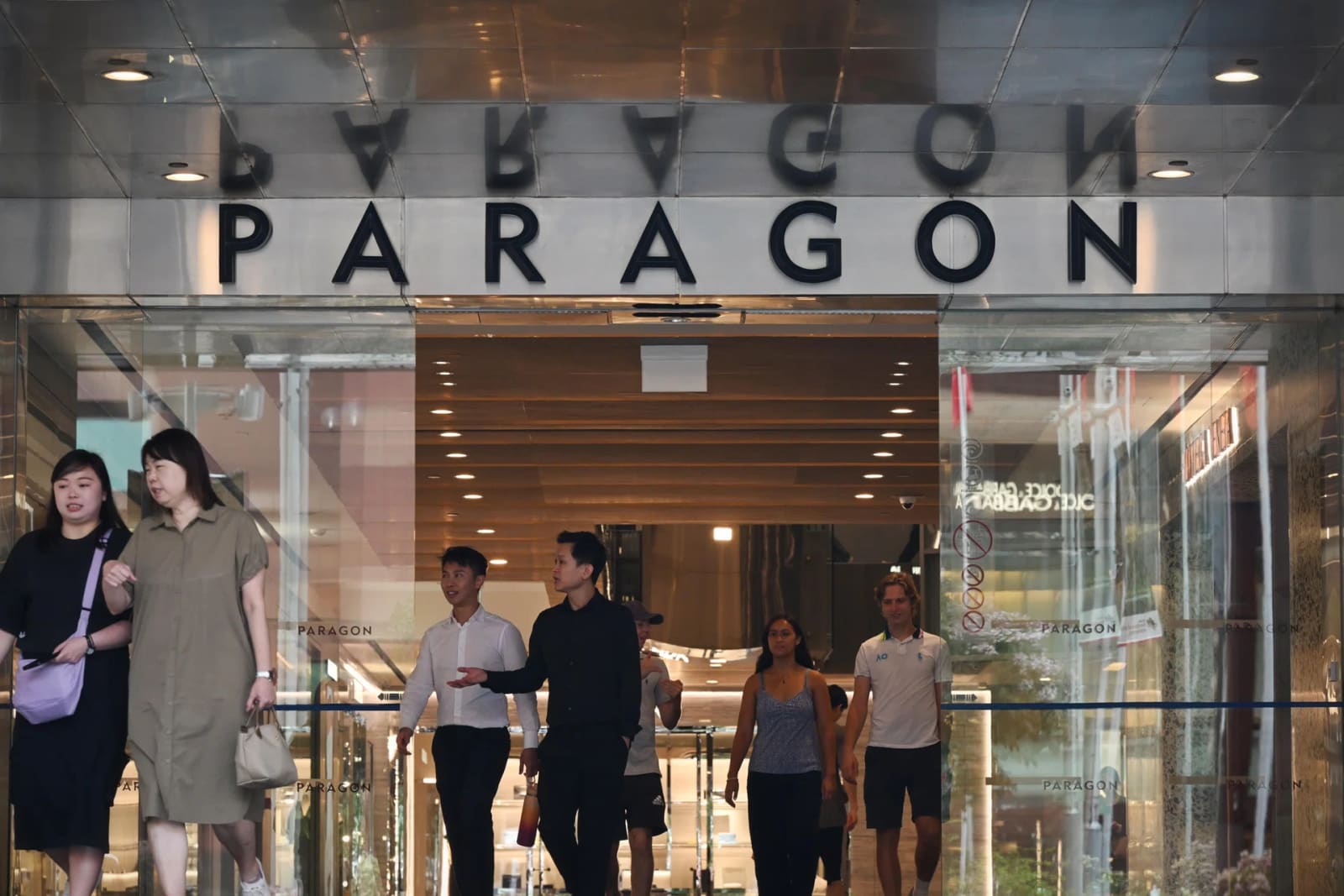
KEY TAKEAWAYS
- ·Singapore retail sales grew 4 per cent year on year in June, reaching S$4.2 billion but missing the 4.2 per cent median economist forecast.
- ·Recreational goods surged 11.4 per cent, watches and jewellery climbed 10.5 per cent, while department stores plunged 9.5 per cent year on year.
- ·Month-on-month sales rose 1 per cent on a seasonally adjusted basis, reversing May's 2.2 per cent decline and suggesting temporary weakness has passed.
Mixed Signals from the Lion City
Singapore's retail sector recorded a 4 per cent year-on-year increase in June, marking consecutive months of growth but falling slightly below market expectations, according to data from the Singapore Department of Statistics released on August 5. Private-sector economists had projected a median expansion of 4.2 per cent.
The Republic's retail sales reached S$4.2 billion for the month, with ten of fourteen tracked categories posting gains. The performance suggests consumer spending remains resilient despite global economic headwinds, though the modest miss on forecasts points to lingering caution among shoppers.
Category Performance Tells a Nuanced Story
Recreational goods led the advance with an 11.4 per cent jump, followed by watches and jewellery at 10.5 per cent and computer and telecommunications equipment at 9.8 per cent. The strength in discretionary categories indicates consumers are willing to spend on lifestyle and technology products.
Petrol service stations reported 8 per cent growth, while cosmetics, toiletries and medical goods climbed 8.3 per cent. Supermarkets and hypermarkets, staples of everyday spending, rose 7.3 per cent. Motor vehicles, parts and accessories advanced 3.6 per cent, contributing to the headline figure.
Even furniture and household equipment managed a 0.7 per cent gain, alongside optical goods and books at 0.4 per cent.
Not all segments fared well. Department stores suffered a sharp 9.5 per cent decline, continuing a trend that reflects structural challenges in traditional retail formats. Wearing apparel and footwear fell 1.7 per cent, while food and alcohol dropped 0.7 per cent. Minimarts and convenience stores edged down 0.6 per cent.
Sequential Momentum Turns Positive
On a seasonally adjusted, month-on-month basis, retail sales increased 1 per cent in June, reversing a 2.2 per cent contraction in May. The rebound suggests the prior month's weakness was temporary rather than the start of a deeper slowdown.
Excluding motor vehicles, parts and accessories, retail sales rose 4.1 per cent year on year, up from 3.6 per cent in May. On a monthly basis, this measure inched up just 0.2 per cent, against a 1.7 per cent decline in the previous month.
The sequential improvement offers some reassurance, though the modest pace of monthly gains indicates consumers are not dramatically increasing spending.
Food and Beverage Sector Contracts
Food and beverage services declined 2.3 per cent year on year, a notable drag on the broader consumer picture. On a month-on-month seasonally adjusted basis, the segment fell 2 per cent.
Within the category, food caterers bucked the trend with 4.4 per cent growth, and fast-food outlets posted a 0.7 per cent gain. However, restaurants dropped 2 per cent, cafes fell 5.1 per cent, and food courts and other eating places declined 5.4 per cent.
The divergence between catering and dine-in establishments may reflect shifts in corporate event activity or consumer preferences for delivery and takeaway options.
What the Numbers Mean for Singapore
The June data extends a modest recovery in retail momentum after a weaker start to the year. The 4 per cent headline growth, while below forecasts, still represents solid expansion in a mature, high-income market where dramatic swings are rare.
Strength in discretionary categories such as watches, jewellery, and recreational goods suggests tourism and affluent local spending remain supportive. Singapore's role as a regional retail hub means these figures partly reflect visitor demand, not just resident consumption.
The continued weakness in department stores underscores the sector's existential challenge. Traditional formats are losing ground to online channels and specialty retailers, a trend visible across Asia's developed markets.
The contraction in food and beverage services, particularly in cafes and food courts, may signal affordability concerns or shifting dining habits. With inflation still a factor in household budgets, consumers may be prioritizing value or cutting back on discretionary dining.
Month-on-month data will be closely watched in coming releases to confirm whether the June rebound marks a sustainable trend or a temporary bounce. For now, Singapore's retail sector is growing, but not racing ahead.
RELATED STORIES
Singapore Electronics Shipments Jump 132% as AI Chip Demand Drives Record Trade Growth
Rajesh K. Iyer · 4 min
Southeast Asian Firms Overlook Digital Pact Worth USD 2 Trillion
Lim Hui Ying · 4 min
Singapore Export Growth Hits 46% in August on AI-Driven Electronics Demand
Rajesh K. Iyer · 3 min

Bayan Resources Halts Coal Deliveries After Indonesia Quota Dispute
Lim Hui Ying · 3 min
Spot something wrong? Email editor@briefasia.com. We log every correction publicly.