Sustainability · Climate
Singapore Explores Blended Finance Vehicle for Southeast Asian Climate Adaptation
Government in talks with banks to replicate Fast-P model, targeting adaptation projects that struggle to attract commercial capital
KEY TAKEAWAYS
- ·Singapore is developing a blended finance vehicle with private banks to fund climate adaptation projects in Southeast Asia, modeled after its USD 5 billion Fast-P energy transition fund.
- ·Adaptation projects struggle to attract commercial capital because they lack viable revenue streams, unlike mitigation projects such as solar or wind farms.
- ·The government is testing risk-sharing structures with banks to determine what level of concessional capital is needed to catalyze private investment in adaptation infrastructure.
A New Vehicle for Overlooked Projects
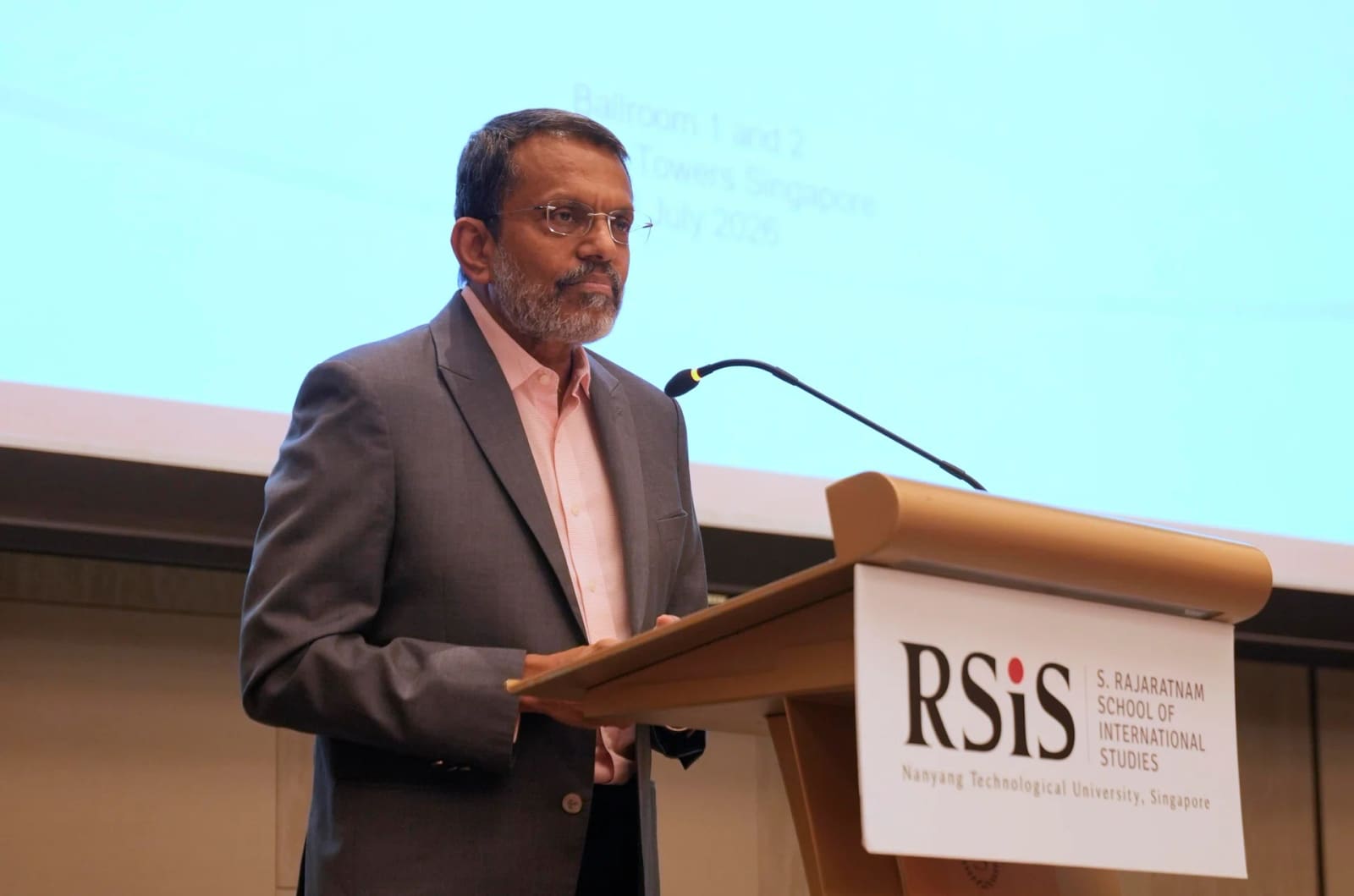
Singapore is developing a blended finance vehicle with private financial institutions to fund climate adaptation projects across Southeast Asia, according to Ravi Menon, Singapore's ambassador for climate action. The initiative aims to channel capital toward infrastructure and measures that help societies prepare for climate impacts, a segment that has historically struggled to attract investment.
The proposed vehicle would mirror the structure of the Financing Asia's Transition Partnership (Fast-P), an existing blended finance mechanism launched by the Monetary Authority of Singapore that is working to raise USD 5 billion through a combination of private, public, and philanthropic capital for energy transition projects.
Menon outlined the initiative during a sustainability conference on July 22, describing active discussions with banks and other financiers to gauge appetite and structure the vehicle appropriately.
Why Adaptation Lags Behind Mitigation
Climate adaptation refers to projects designed to reduce vulnerability to climate impacts, such as flood defenses, drought-resistant agriculture systems, and coastal resilience infrastructure. Despite growing recognition of their necessity, adaptation projects receive a fraction of the funding that flows to mitigation efforts aimed at reducing greenhouse gas emissions.
The core challenge is commercial viability. Adaptation projects typically lack revenue-generating mechanisms that would attract private investors operating under conventional return expectations. A sea wall or early warning system, while critical for protecting communities and assets, does not produce cash flows in the way a solar farm or wind project does.
This revenue gap has made adaptation financing one of the most stubborn problems in climate finance, even as Southeast Asia faces mounting risks from sea-level rise, extreme weather events, and agricultural disruption.
Testing the Blended Finance Model
Blended finance attempts to solve this problem by layering capital with different risk tolerances. Multilateral development banks, development finance institutions, governments, and philanthropic entities provide concessional or first-loss capital that absorbs downside risk, making projects more palatable to commercial investors seeking market-rate returns.
Singapore is now testing this model with a group of banks and financiers to determine what level of risk coverage and return profile would make adaptation projects investable. Menon described the response as encouraging, noting that discussions have centered on how much concessional capital would be required to catalyze commercial participation.
The government is asking potential partners specific questions: What level of risk mitigation is necessary for you to commit capital? Are the projected revenue streams sufficient given the risk-adjusted return you require?
Regional Implications
If launched, the vehicle would represent one of the first dedicated blended finance platforms in Asia focused exclusively on adaptation. Most blended finance efforts in the region have concentrated on renewable energy and energy efficiency, where revenue models are better understood and more standardized.
Southeast Asia is particularly exposed to climate risks. The region's dense coastal populations, dependence on agriculture, and concentration of economic activity in low-lying urban centers make adaptation not a future concern but an immediate operational necessity.
Yet adaptation finance remains scarce. Global climate finance flows remain heavily skewed toward mitigation, with adaptation accounting for less than a quarter of total tracked flows in recent years. The imbalance is even more pronounced in developing regions, where adaptation needs are most acute but capital is least available.
What Comes Next
Singapore has not disclosed a target fundraising figure for the proposed vehicle, nor has it specified a timeline for launch. The government is still in the structuring phase, working to define the risk-sharing arrangements and governance model that would make the vehicle attractive to both concessional and commercial investors.
The Fast-P model, which Singapore is using as a template, relies on a multi-tranche structure where public and philanthropic capital takes first losses, allowing commercial investors to enter at lower risk levels. A similar architecture is likely for the adaptation vehicle, though the absence of predictable revenue streams may require more generous concessional terms.
Menon's comments suggest that Singapore views the vehicle as a test case. If the model proves viable, it could be replicated or scaled across other regions facing similar adaptation financing constraints. For now, the focus is on Southeast Asia, where Singapore has both strategic interest and institutional capacity to coordinate cross-border climate finance initiatives.
RELATED STORIES
Southeast Asian Firms Race to Raise Green Debt as Region Falls Behind on Renewables
Priyanka V. Rao · 3 min

Singapore Faces Energy Supply Crunch as Data Centres Expand
Priyanka V. Rao · 3 min

Singapore Captures Two-Thirds of Southeast Asian EV Startup Capital
Priyanka V. Rao · 3 min

Singapore Targets High-Value Data Centre Workloads as Neighbors Scale Up Capacity
Cheng Wei-Lun · 3 min
Spot something wrong? Email editor@briefasia.com. We log every correction publicly.