Finance · Markets
Singapore Exchange Posts Record Profit Amid Weak Primary Market Activity
The bourse operator's adjusted net profit surged 25% to S$759.5 million in FY2026, even as IPO investors face losses and companies pull back from fundraising
KEY TAKEAWAYS
- ·Singapore Exchange reported adjusted net profit of S$759.5 million for FY2026, a 25 percent increase year on year, driven by derivatives and data revenue.
- ·Recent IPOs on the exchange have opened below offer prices, causing immediate losses for retail investors and dampening appetite for new equity issuance.
- ·Listed companies are showing reduced interest in secondary fundraising, turning instead to private credit and bilateral loans as equity market conditions weaken.
A Tale of Two Markets
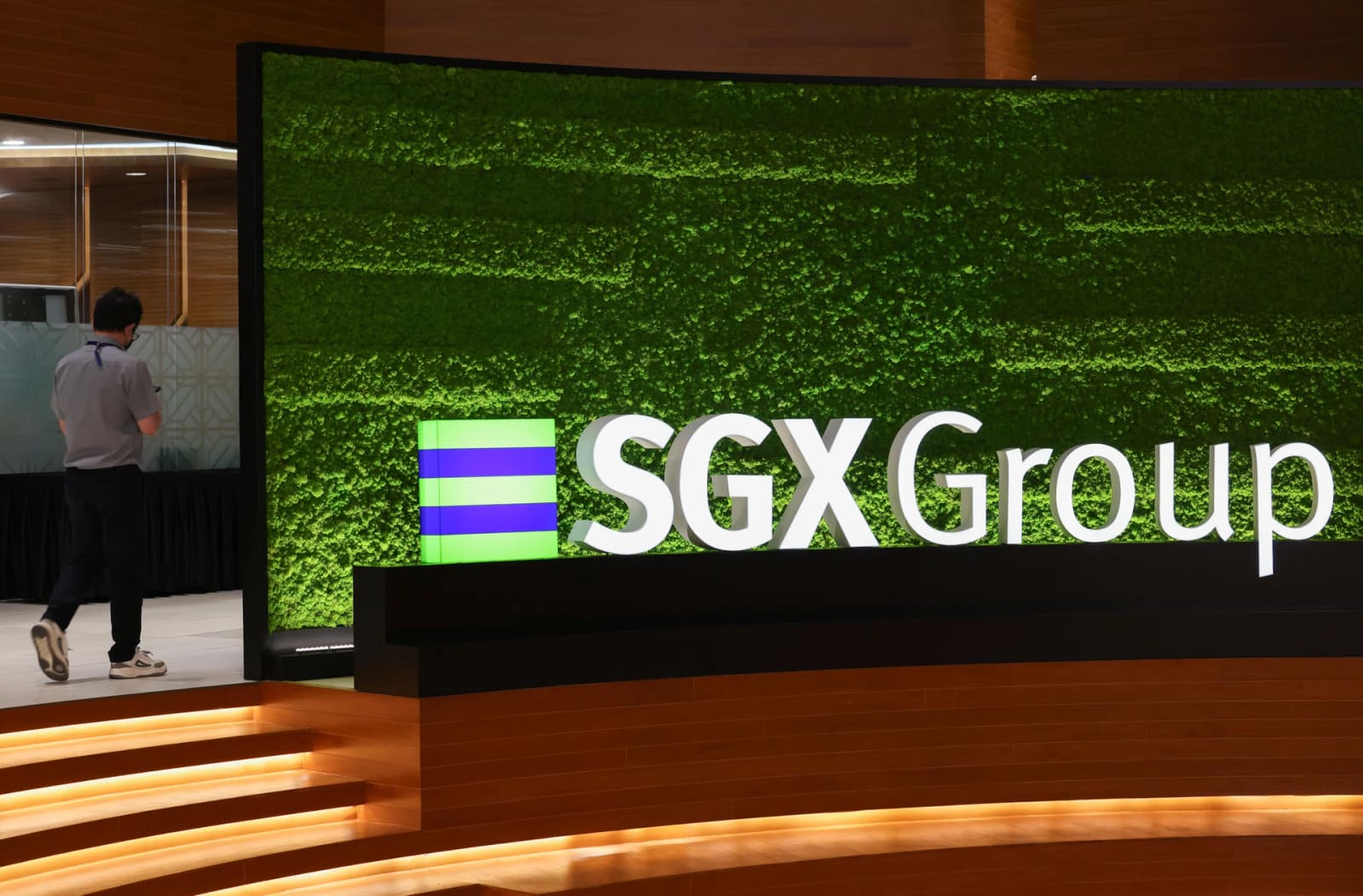
Singapore Exchange Limited posted adjusted net profit of S$759.5 million for the fiscal year ended June 2026, according to the bourse operator's latest financial results. The 25 percent year-on-year increase marks a record performance for the exchange itself, driven by derivatives trading volumes and sustained interest in regional equity benchmarks.
Yet beneath the headline numbers lies a more fractured reality for participants in Singapore's equity capital markets. Retail investors who committed capital to recent initial public offerings have watched their holdings slide into losses within hours of listing. Multiple debuts this year opened below their offer prices, erasing gains before secondary trading could establish any momentum.
The divergence between operator profitability and primary market health points to a structural shift in how Singapore's equity platform generates value. Derivatives and fixed-income products have increasingly carried the exchange's revenue mix, while traditional equity issuance struggles to attract both issuers and buyers willing to commit long-term capital.
Fundraising Appetite Cools
Companies already listed on the exchange have shown diminished interest in returning to the market for additional capital. Secondary offerings and placements have thinned, reflecting both issuer caution and investor fatigue after a string of underperforming deals.
The reluctance extends across sectors. Firms that might once have tapped public equity to fund expansion or refinance debt are now exploring private credit, bilateral loans, or asset sales instead. The shift mirrors a broader reassessment of the cost and complexity of maintaining a public listing in a market where liquidity often pools in a narrow band of large-cap names.
For retail participants, the experience has been sobering. Allocations in oversubscribed IPOs offered the promise of listing-day pops, a dynamic that drove demand in previous cycles. When those gains failed to materialize, sentiment turned quickly. The pattern has repeated often enough this year to deter casual buyers from stepping into new issues, compressing order books and forcing arrangers to lean more heavily on institutional anchor investors.
Derivatives Drive Performance
The exchange's own financial strength rests on different pillars. Derivatives revenue, particularly from equity index futures and foreign exchange contracts, has grown steadily as regional investors seek hedging tools and tactical exposure to Asian benchmarks. These products generate recurring fee income and benefit from volatility, unlike cash equities, which depend on sustained confidence in corporate fundamentals and valuation discipline.
Fixed-income trading and data services have also contributed to the diversified revenue base. The exchange has invested in technology infrastructure and connectivity with regional bourses, positioning itself as a hub for cross-border capital flows even as domestic equity issuance lags.
The disconnect between operator results and primary market activity is not unique to Singapore. Exchanges in Hong Kong, Tokyo, and Sydney have similarly leaned into derivatives and data licensing as cash equity volumes plateau. But Singapore's small domestic economy and reliance on foreign listings make the imbalance more visible and more consequential for policymakers seeking to maintain the city-state's role as a regional financial center.
Regulatory and Market Structure Questions
The Monetary Authority of Singapore has convened working groups to examine listing requirements, market-making obligations, and retail access to pre-IPO allocations. The goal is to identify friction points that discourage issuers or depress aftermarket performance, though consensus on remedies remains elusive.
Some market participants argue that listing standards have become too permissive, allowing marginal companies to go public without adequate governance or disclosure. Others contend that the problem lies in valuation, with arrangers pricing deals at levels that leave little room for organic appreciation once trading begins.
A third view holds that Singapore's equity market suffers from scale disadvantages. With a limited pool of domestic institutional capital and heavy reliance on foreign flows that can reverse quickly, the market lacks the depth to absorb large new issues or support sustained buying in smaller names.
Whatever the diagnosis, the exchange operator's record profit underscores a reality that complicates reform efforts: the business of running the platform is thriving, even if the experience of raising capital or investing in new issues is not. That divergence may persist as long as derivatives and data products continue to grow, insulating the exchange from the primary market's troubles while leaving issuers and retail investors to navigate a more difficult environment.
RELATED STORIES
Singapore Exchange Plans Single-Stock ETFs and Regional Partnerships
Cheng Wei-Lun · 3 min
Singapore Exchange Reports Strong July Trading as Financials Rally Lifts Benchmark
Priyanka V. Rao · 4 min
Singapore Data Center Operator DayOne Eyes $5 Billion US IPO
Priyanka V. Rao · 3 min
Wealth Managers in Singapore Face New Compliance Era as China Targets Trust Structures
Priyanka V. Rao · 3 min
Spot something wrong? Email editor@briefasia.com. We log every correction publicly.