Asia · Trending
Singapore's Cat A COE Falls to S$123,890 as Motorcycle Premiums Push Past S$10,000
Category A vehicle certificates dropped 1.7 percent while luxury car premiums held steady in the latest tender, reflecting persistent demand across Singapore's constrained vehicle market.
KEY TAKEAWAYS
- ·Category A COE premiums in Singapore fell 1.7 percent to S$123,890, while Category B certificates for larger cars held flat at S$129,910 in the August 5 tender.
- ·Motorcycle certificates rose 3 percent to S$10,503, marking the third consecutive exercise above S$10,000 and reflecting sustained pressure in a tightly allocated category.
- ·Open category premiums climbed 0.8 percent to S$131,000, signaling continued dealer demand for flexible inventory management amid persistent luxury vehicle interest.
Cat A Certificates Ease While Luxury Segment Holds
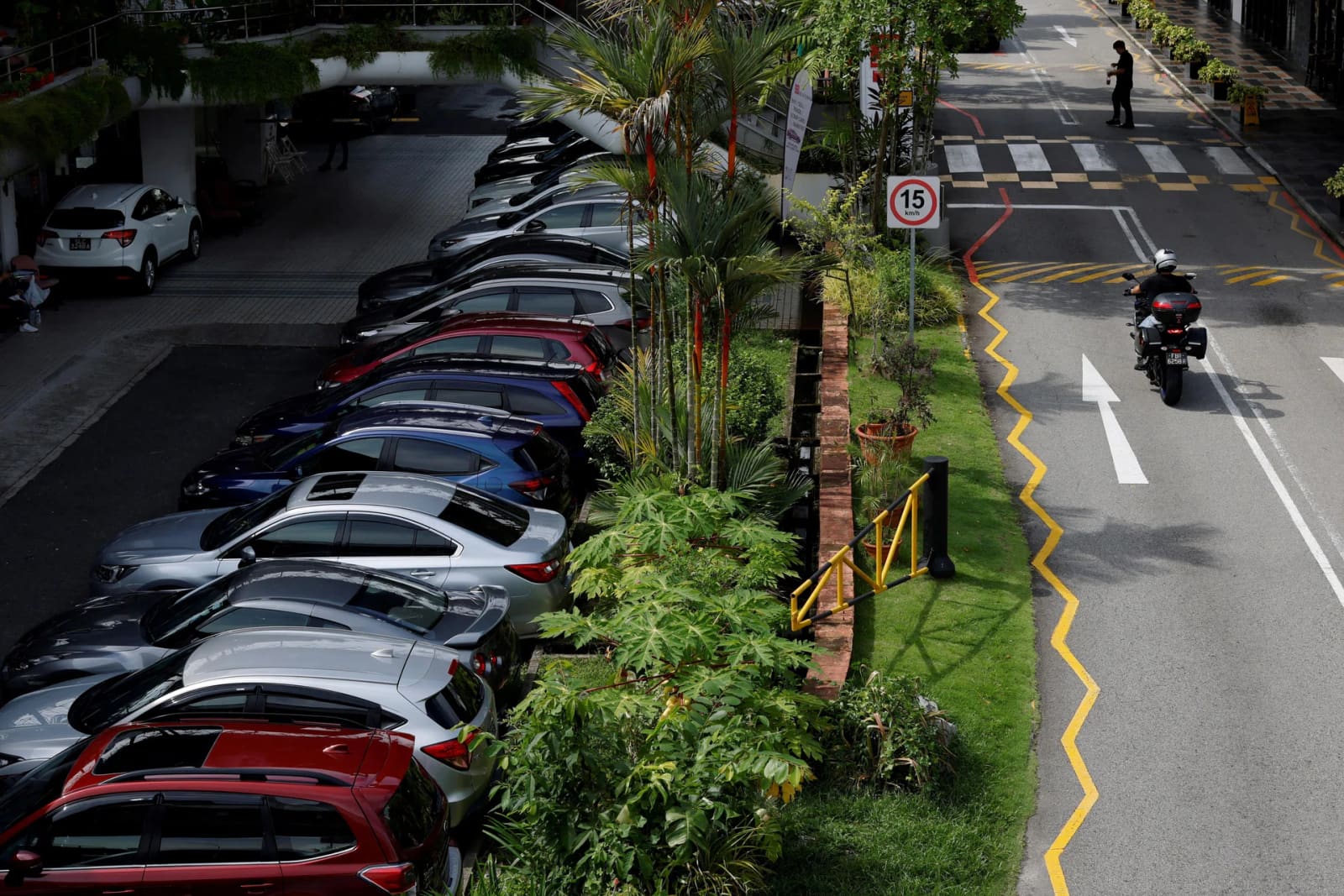
Singapore's Certificate of Entitlement for smaller vehicles retreated to S$123,890 in the August 5 tender, marking a 1.7 percent decline from the previous S$126,000. The Category A segment, which covers cars with engines up to 1,600cc and maximum output of 97kW, as well as electric vehicles in the lower power bracket, registered the sharpest movement among passenger vehicle categories.
Category B premiums, reserved for larger and more powerful cars, remained virtually unchanged at S$129,910, up just S$20 from S$129,890 in the July 22 exercise. The stability in this segment suggests demand for luxury and performance vehicles continues to absorb available supply without significant pricing pressure.
Open category certificates climbed 0.8 percent to S$131,000 from S$129,971. These Category E certificates carry transferability and can register any vehicle except motorcycles, making them a preferred instrument for dealers seeking inventory flexibility between tender cycles.
Motorcycle Premiums Breach Five Digits Again
Category D certificates for motorcycles rose 3 percent to S$10,503, up from S$10,202. This marks the third consecutive tender where motorcycle COE premiums have exceeded the S$10,000 threshold, a level reached only five times so far in 2026.
The sustained elevation in motorcycle certificate prices reflects a structural tightening in this category. Singapore's quota system allocates a fixed number of certificates across vehicle types every two weeks, and motorcycle allocations have faced increasing competition as riders view two-wheelers as a more affordable entry point into vehicle ownership compared to four-wheeled alternatives.
Commercial vehicle certificates in Category C dropped 2.5 percent to S$91,545 from S$93,889, offering modest relief to logistics operators and businesses dependent on goods transport.
Supply Constraints Drive Persistent Premium Levels
Singapore's COE system, introduced in 1990, caps the total vehicle population by requiring buyers to secure a certificate before registering a new vehicle. The certificates are valid for ten years, after which owners must either deregister the vehicle or renew the COE at prevailing market rates.
The government determines the quota based on vehicle deregistrations and a permitted annual growth rate, currently set at zero to manage road congestion and environmental impact. With land scarcity and public transport expansion as policy priorities, the supply of new certificates remains tightly controlled.
Recent data indicates the private car population fell to its lowest level since 2019, even as rental vehicle numbers reached record highs. This divergence suggests shifting ownership patterns, with individuals increasingly opting for car-sharing and rental models over outright purchase in response to elevated certificate costs.
What Dealers and Buyers Are Watching
Motor traders typically secure Open category certificates to maintain flexibility in their inventory management. The slight uptick in Category E premiums signals dealers are willing to pay a modest premium for optionality, anticipating continued demand in the luxury segment where Category B certificates are deployed.
The flattening of Category B prices, despite ongoing economic resilience in Singapore's high-net-worth demographic, may reflect a ceiling effect where buyers begin to defer purchases or explore alternative ownership models. Category A's decline, though modest, could indicate that cost-conscious buyers are pulling back or shifting toward used vehicle markets where COE costs are embedded in depreciated values.
For motorcycles, the repeated breaches above S$10,000 point to a category under sustained stress. Allocations in Category D are smaller in absolute terms, and any uptick in demand from new riders or those downgrading from cars can quickly push premiums higher.
Implications for Transport Policy and Consumer Behavior
The COE tender results underscore the balancing act Singapore faces in managing vehicle growth while accommodating demand from a wealthy, mobile population. With the government prioritizing public transport expansion and active mobility, private vehicle ownership remains a controlled privilege rather than a universal entitlement.
Sustained high premiums across all categories reinforce the city-state's position as one of the world's most expensive places to own a car. For businesses reliant on commercial vehicles, the drop in Category C premiums offers a brief window of relative affordability, though the broader trend remains elevated compared to historical norms.
The next tender, scheduled for mid-August, will test whether the modest easing in Category A continues or if demand resurfaces as buyers who deferred purchases re-enter the market. Motorcycle premiums will also be closely watched to see if the five-digit threshold becomes the new baseline or if supply adjustments bring relief.
RELATED STORIES
Singapore Electronics Shipments Jump 132% as AI Chip Demand Drives Record Trade Growth
Rajesh K. Iyer · 4 min
Singapore Export Growth Hits 46% in August on AI-Driven Electronics Demand
Rajesh K. Iyer · 3 min

Southeast Asian Firms Overlook Digital Pact Worth USD 2 Trillion
Lim Hui Ying · 4 min

Bayan Resources Halts Coal Deliveries After Indonesia Quota Dispute
Lim Hui Ying · 3 min
Spot something wrong? Email editor@briefasia.com. We log every correction publicly.