Finance · Markets
Singapore Blue Chips Fall as Hormuz Blockade Rattles Markets
Keppel and Sembcorp led declines on the Straits Times Index after renewed US-Iran tensions disrupted shipping routes and sent crude oil soaring
KEY TAKEAWAYS
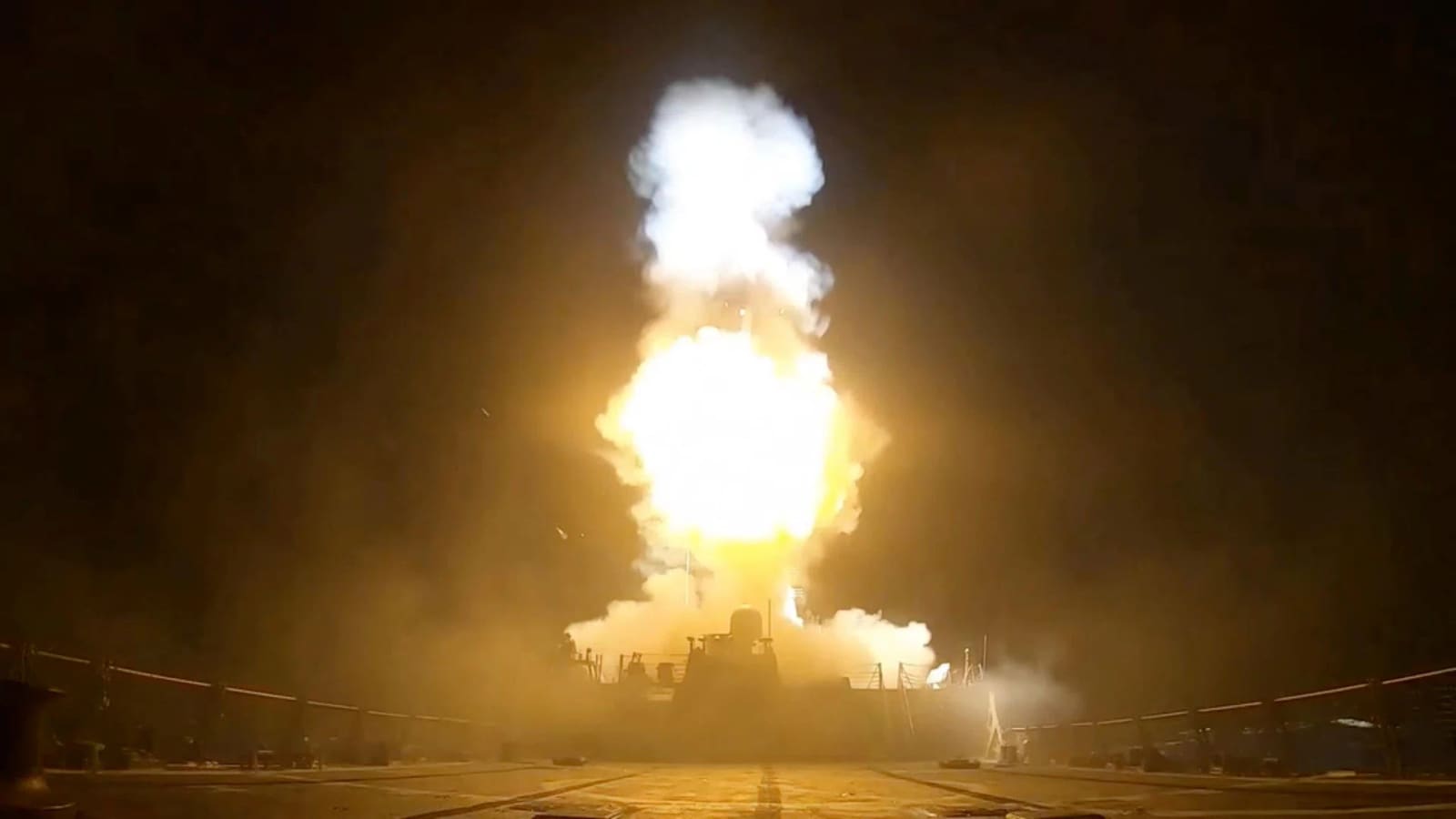
- ·The Straits Times Index fell 1% to 5,415.27 points as Keppel dropped 3.4% and Sembcorp declined 2.1% following renewed US-Iran tensions in the Strait of Hormuz.
- ·Brent crude climbed 1.6% to US$84.65 a barrel after surging 9.6% the previous day, its largest single-session gain since May 2020.
- ·Washington imposed a 20% toll on Hormuz cargo and reimposed a naval blockade, prompting Iran to reject the fee and assert continued authority over the waterway.
Energy Stocks Lead Retreat
Singapore's benchmark equity index slipped into the red on Tuesday morning as investors absorbed the implications of escalating US-Iran confrontation in the Strait of Hormuz. The Straits Times Index shed 1%, falling to 5,415.27 points in early trading after Washington reimposed its naval blockade on Tehran overnight.
Keppel shares dropped as much as 3.4% to S$11.20 within the first 40 minutes of the session, while Sembcorp declined 2.1% to S$5.51. Singapore Airlines, another counter with significant energy exposure, fell approximately 2% as the market digested the potential impact on fuel costs and regional flight operations.
The sell-off reflected broader anxiety across Asian markets, where investors weighed the risk of prolonged supply disruptions through one of the world's most critical energy chokepoints. Roughly one-fifth of global oil supply passes through the Strait of Hormuz on any given day, linking producers in the Persian Gulf to buyers across Asia.
A 20% Toll on the Strait
Washington's move came with an unexpected announcement: the White House declared it would impose a 20% levy on all seaborne cargo transiting the strait. The president framed the measure as reimbursement for the US Navy's role in securing the waterway, writing that America would be known as "the guardian of the Hormuz Strait" and that the toll was a matter of fairness.
Iran's foreign minister responded within hours, rejecting the proposed fee and asserting that Tehran would remain the "eminent authority" over the strait. He described the toll as excessive and pledged that Iran would offer a "fair" alternative, though no figure was provided.
The exchange underscored the fragility of the current standoff. Both sides have now staked public positions, reducing room for quiet diplomacy and raising the prospect of a prolonged crisis that could keep freight rates elevated and commodity markets on edge.
Crude Extends Rally
Brent crude climbed 1.6% to around US$84.65 a barrel on Tuesday, building on a 9.6% surge the previous session. That single-day gain marked the steepest rise since May 2020, when pandemic-induced supply cuts sent prices whipsawing.
For Asian refiners and manufacturers, the spike compounds an already difficult environment. Inflation expectations have crept higher in recent months, driven by persistent labor costs and supply-chain bottlenecks. A sustained jump in energy prices threatens to feed through into consumer goods, transportation, and utilities, tightening margins for companies across the region.
Singapore, as a major refining and bunkering hub, faces a dual exposure. Higher crude prices lift the cost base for local refiners, while the prospect of disrupted tanker flows could crimp throughput volumes. Airlines, meanwhile, confront the risk of jet-fuel inflation at a time when travel demand in Southeast Asia has only recently returned to pre-pandemic levels.
Small-Cap Energy Plays Gain
Not every corner of the Singapore Exchange suffered. A handful of smaller energy-related counters moved sharply higher, with RH Petrogas, Rex International, and Oiltek each adding more than 6%. The gains suggested that some investors are positioning for a prolonged period of elevated commodity prices, betting that exploration and production specialists will benefit from wider margins.
Yet the broader market remained cautious. Trading volumes were subdued, and most sectors closed lower as fund managers reassessed risk appetite in light of the geopolitical uncertainty.
Regional Implications
The standoff carries particular weight for Asia's export-driven economies. Japan, South Korea, and China all rely heavily on Middle Eastern crude, and any sustained interruption to Hormuz flows would force buyers to seek alternative sources at a premium. Shipping insurers have already begun repricing war-risk coverage for vessels transiting the Gulf, adding another layer of cost to an already strained logistics network.
For Singapore's port operators and logistics providers, the uncertainty could translate into volatile container volumes and bunker-fuel demand. If shippers reroute cargoes to avoid the strait, alternative routes through the Suez Canal or around the Cape of Good Hope would add days to transit times and pressure just-in-time supply chains.
Financial markets in the city-state have historically proven resilient to short-lived geopolitical shocks, but the combination of a proposed toll, a naval blockade, and the risk of further military escalation has introduced a new variable. Analysts will be watching whether the current tensions ease or harden into a prolonged confrontation that reshapes trade flows and energy pricing across the region.
Tuesday's trading session offered an early snapshot of investor sentiment: caution is warranted, and energy-sensitive sectors will remain under pressure until the situation in the Hormuz Strait stabilizes.
RELATED STORIES
Frencken Stock Falls 7.5% After $100 Million Share Placement
Cheng Wei-Lun · 3 min

Addvalue Technologies Lands $5 Million in Space and Radio Contracts
Tran Quoc Bao · 3 min
Singapore Tightens Stablecoin Rules to Separate Regulated Tokens From Crypto Claims
Priyanka V. Rao · 2 min
Shein Drops 4% in Hong Kong Debut as Tariff Pressure Weighs on Valuation
Priyanka V. Rao · 4 min
Spot something wrong? Email editor@briefasia.com. We log every correction publicly.