Finance · Markets
Singapore Bank Employees See Wealth Surge Through Staff Share Plans
Employee share purchase programs at OCBC, DBS, and UOB deliver windfall gains as bank stocks climb to record levels in 2026

KEY TAKEAWAYS
- ·Employees at OCBC, DBS, and UOB have accumulated significant wealth through employee share purchase plans as bank stocks reached record highs in 2026.
- ·These workplace programs offer discounted shares, employer matching contributions, and automatic payroll deductions that create compounding returns over time.
- ·Participants face concentration risk from holding employer stock, and future returns depend on bank performance amid fintech disruption and evolving regional monetary policy.
Payroll Deductions Turn Into Windfalls
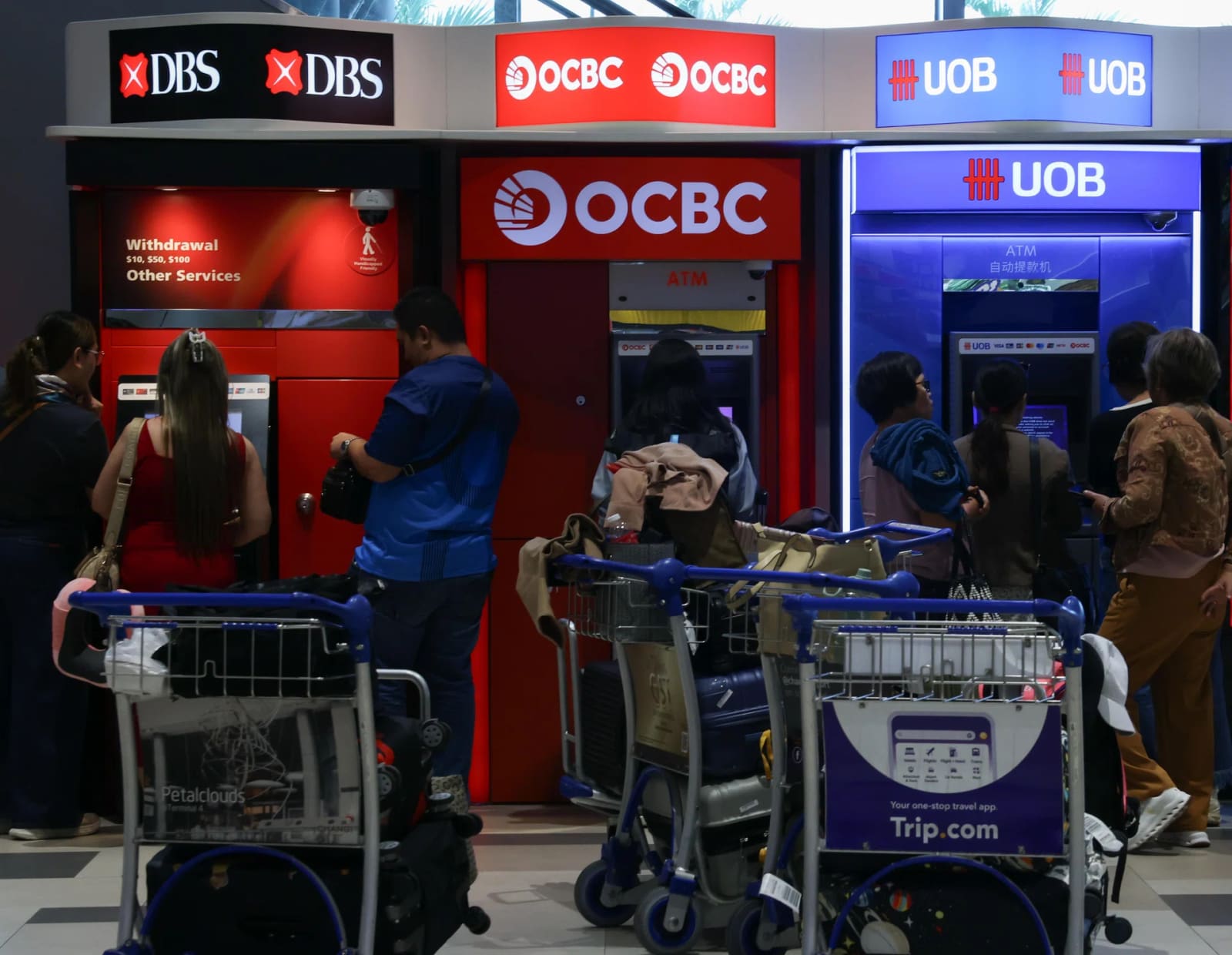
Employees at Singapore's three major banks are celebrating substantial wealth accumulation as OCBC, DBS, and UOB shares reached record valuations in recent months. Staff who participated in employee share purchase plans have watched years of disciplined monthly contributions transform into significant holdings.
The gains reflect both the strong performance of Singapore's banking sector and the structural advantages built into these workplace savings programs. Unlike open-market purchases, these plans allow eligible staff to accumulate shares through automatic payroll deductions over fixed periods, often with employer subsidies and purchase discounts.
OCBC employee Maggie Liu described the experience as being "in seventh heaven" as her employer's stock climbed to new peaks, according to OCBC. The sentiment captures the mood among banking staff who have stayed committed to these programs through market cycles.
How the Programs Work
Employee share purchase plans at Singapore banks operate through systematic payroll deductions. Participants commit a fixed monthly amount from their salary over a predetermined enrollment period. The accumulated funds are then used to purchase company shares, typically at a discount to market price.
Many of these programs include employer matching contributions, effectively boosting the employee's investment without additional cost. The combination of discounted purchase prices, matching funds, and dividend reinvestment creates a compounding effect over time.
The plans serve dual purposes for both employer and employee. Banks use them as retention tools, encouraging long-term commitment from staff. Employees gain a forced-savings mechanism with built-in advantages unavailable to retail investors, including lower transaction costs and preferential pricing.
Participants who held shares through multiple years have benefited from both capital appreciation and regular dividend distributions. Singapore banks have maintained strong dividend policies, adding an income stream on top of share price gains.
Regional Context
The strong performance of Singapore bank stocks reflects the city-state's position as a wealth management and financial hub for Southeast Asia. As regional economies expanded and cross-border capital flows increased, Singapore's three major banks captured growing transaction volumes and asset-under-management fees.
Rising interest rates in 2022 and 2023 also boosted net interest margins for banks across Asia, improving profitability. Singapore banks, with their conservative lending practices and strong capital positions, emerged as beneficiaries of this environment.
The employee share programs at these institutions mirror similar schemes across Asia's financial centers, from Hong Kong to Tokyo. Yet Singapore's regulatory framework and tax treatment have made employee share ownership particularly attractive compared to some regional peers.
Considerations for Participants
While recent returns have been strong, employee share purchase plans carry inherent risks that participants should weigh. Concentrating wealth in a single employer creates dual exposure: both salary and investment returns depend on one company's performance.
Economic shifts, regulatory changes, or sector-specific pressures could affect bank valuations. Employees need to understand vesting schedules, lock-up periods, and tax implications before committing significant portions of their salary to these programs.
Plan details vary by institution, including discount rates, matching formulas, and withdrawal conditions. Staff should review these specifics rather than assuming uniformity across employers.
The recent windfall has validated the patience of long-term participants, but past performance offers no guarantee of future results. Banking stocks face headwinds from fintech disruption, changing monetary policy, and evolving capital requirements across the region.
For employees at Singapore's banks, the current moment represents a tangible reward for years of disciplined saving through workplace programs. Whether these gains persist will depend on both individual company performance and broader trends shaping Asia's financial sector.
RELATED STORIES

Singapore Banks Hit Record Highs on Wealth Management Surge
Priyanka V. Rao · 2 min

Singapore Expands Bank Network for Financial Crime Intelligence Platform
Priyanka V. Rao · 3 min
Singapore's Big Three Banks Post Solid First-Half Gains as Wealth Offsets Margin Pressure
Priyanka V. Rao · 3 min
Singapore Approves 37 Crypto Firms From Nearly 300 License Applications
Priyanka V. Rao · 2 min
Spot something wrong? Email editor@briefasia.com. We log every correction publicly.