Technology · AI
Singapore Airlines Now Runs 160 AI Applications Across Operations
The carrier has mapped more than 550 potential generative AI use cases as part of a digital transformation that began in 2018 under CEO-led strategy.
KEY TAKEAWAYS
- ·Singapore Airlines has deployed more than 160 AI applications across operations and identified over 550 potential generative AI use cases since 2018.
- ·The airline's AI chatbot Kris nearly doubled its customer satisfaction score after a July 2025 relaunch, while AI-driven crew scheduling has improved efficiency.
- ·Regional carriers are racing to adopt AI amid rising passenger traffic, labor shortages, and competitive pressure in Asia's fast-growing aviation market.
A CEO-Led Digital Overhaul
Singapore Airlines has put more than 160 artificial intelligence applications into production across its operations, a scaling effort that reflects how seriously Asia's legacy carriers are taking the technology race.
The deployment stems from a digital transformation that CEO Goh Choon Phong kicked off in 2018, when he flagged AI as a strategic priority and took personal oversight of the airline's company-wide AI roadmap. A CEO-chaired committee was formed shortly after, and the board signed off on a blueprint covering both business value and workforce impact, according to George Wang, the carrier's senior vice-president of information technology.
To date, Singapore Airlines has mapped out more than 550 potential use cases for generative AI alone, signaling that the current rollout is only a fraction of what the airline envisions.
Customer Service and Crew Efficiency
Two areas have shown measurable results: the airline's AI chatbot, Kris, and its crew scheduling systems.
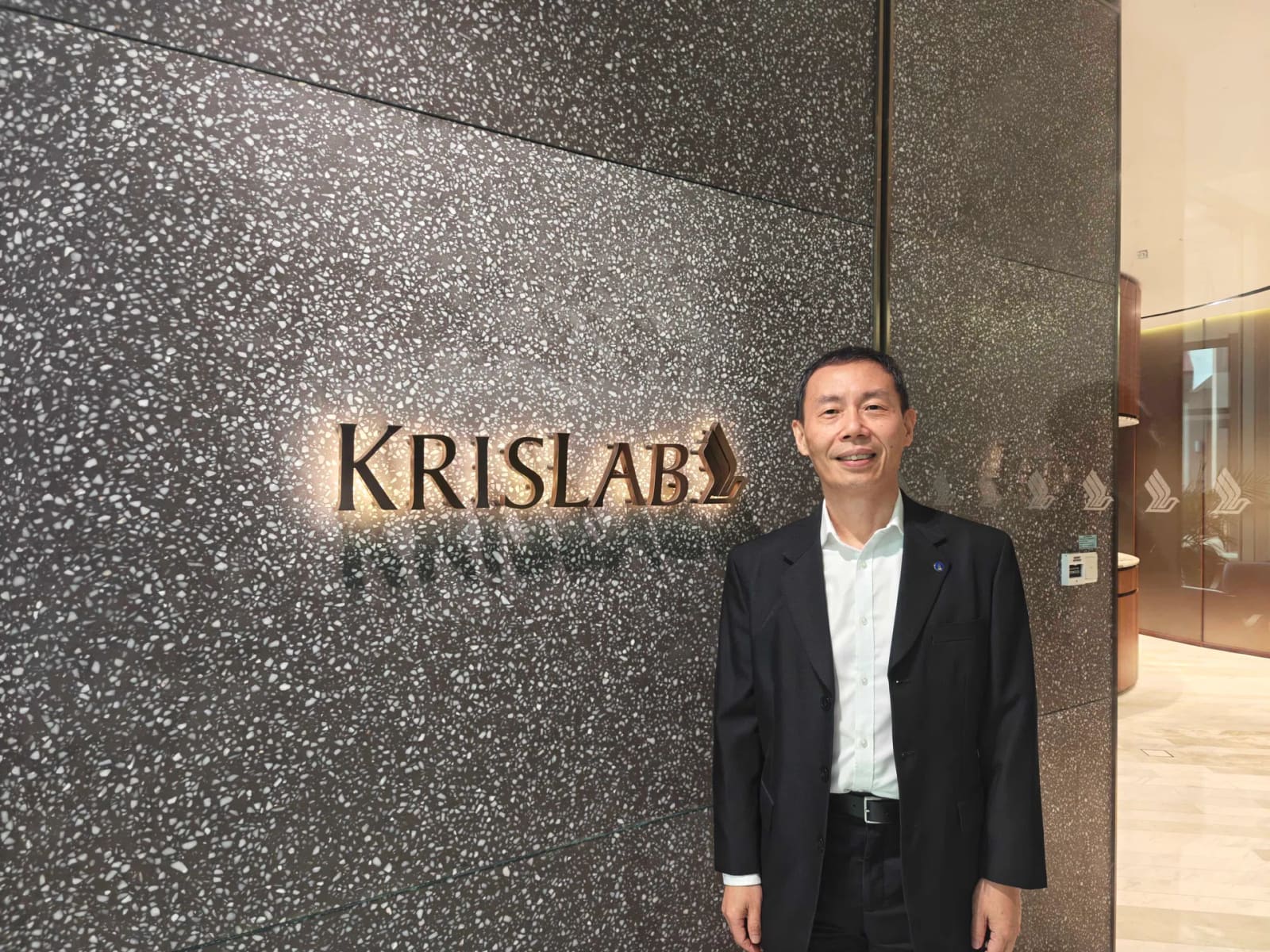
Kris, relaunched in July 2025, has nearly doubled its customer satisfaction score, Wang said. The chatbot handles queries ranging from booking changes to baggage policies, offloading routine questions from human agents and allowing faster response times during peak travel periods.
On the operational side, AI-driven crew scheduling has improved efficiency by better matching flight rosters to regulatory rest requirements and crew preferences. The system processes thousands of variables, including duty limits, time zones, and aircraft type ratings, to generate optimized pairings that reduce costs and minimize last-minute changes.
Regional Context
Singapore Airlines is not alone in this push. Across Asia, carriers are investing heavily in AI to defend margins in a hyper-competitive market. Cathay Pacific has deployed predictive maintenance systems that analyze engine data in real time, while ANA Holdings in Japan has rolled out AI tools for dynamic pricing and demand forecasting.
The region's aviation market is expected to see passenger traffic grow faster than any other geography through 2030, according to industry forecasts. That growth, combined with labor shortages and rising fuel costs, is forcing airlines to automate wherever possible.
Singapore's position as a regional tech hub gives SIA an advantage. The airline can tap local AI talent and partner with startups in areas like computer vision for baggage handling and natural language processing for multilingual customer service. The city-state's government has also made AI a national priority, offering grants and sandbox environments for companies testing new applications.
What Comes Next
The 550 generative AI use cases Singapore Airlines has identified span everything from personalized in-flight entertainment recommendations to automated report generation for flight operations. Not all will make it into production, but the breadth of exploration suggests the airline sees AI as a lever across nearly every function.
One open question is how quickly the carrier can move from pilot projects to full-scale deployment. Airlines operate in a highly regulated environment, and any AI system that touches safety-critical operations must clear stringent certification hurdles. Customer-facing applications are easier to roll out, but they also carry reputational risk if they fail in visible ways.
Another factor is workforce adaptation. The AI blueprint endorsed by Singapore Airlines' board explicitly addresses the future of work, a recognition that automation will reshape job roles. The airline will need to retrain staff, redeploy workers whose tasks are automated, and manage the cultural shift that comes with handing decisions to algorithms.
For now, Singapore Airlines is positioning itself as a leader in the digital airline category, betting that early investment in AI will pay off in lower costs, higher customer satisfaction, and better operational resilience. Whether that bet holds will depend on execution, regulation, and how competitors respond.
RELATED STORIES

Wingtech Swings to Loss After Nexperia Control Fractures
Cheng Wei-Lun · 4 min
WeRide Eyes Regional Push Across Australia and Asia-Pacific Markets
Cheng Wei-Lun · 2 min
Singapore Airlines Traffic Climbs as Elite UK Reit Secures Refinancing
Priyanka V. Rao · 2 min
Singapore Export Growth Slows to 24% as AI Chip Boom Fails to Meet Expectations
Priyanka V. Rao · 4 min
Spot something wrong? Email editor@briefasia.com. We log every correction publicly.