Finance · Markets
Seoul Chip Giants Tumble as Korea Market Rout Deepens
Samsung and SK Hynix shed up to 14% on the second day of sharp losses, as AI demand doubts and weak US tech sentiment weigh on Asia's semiconductor leaders.
KEY TAKEAWAYS
- ·Samsung Electronics and SK Hynix shares dropped as much as 14% on Thursday, extending a two-day selloff that has dragged down South Korea's Kospi index.
- ·Concerns over AI chip demand sustainability and excess manufacturing capacity have resurfaced, compounded by weak sentiment in US technology stocks.
- ·Investors are awaiting earnings releases and guidance from semiconductor players to gauge order trends and pricing dynamics in memory and logic chips.
Selloff Accelerates
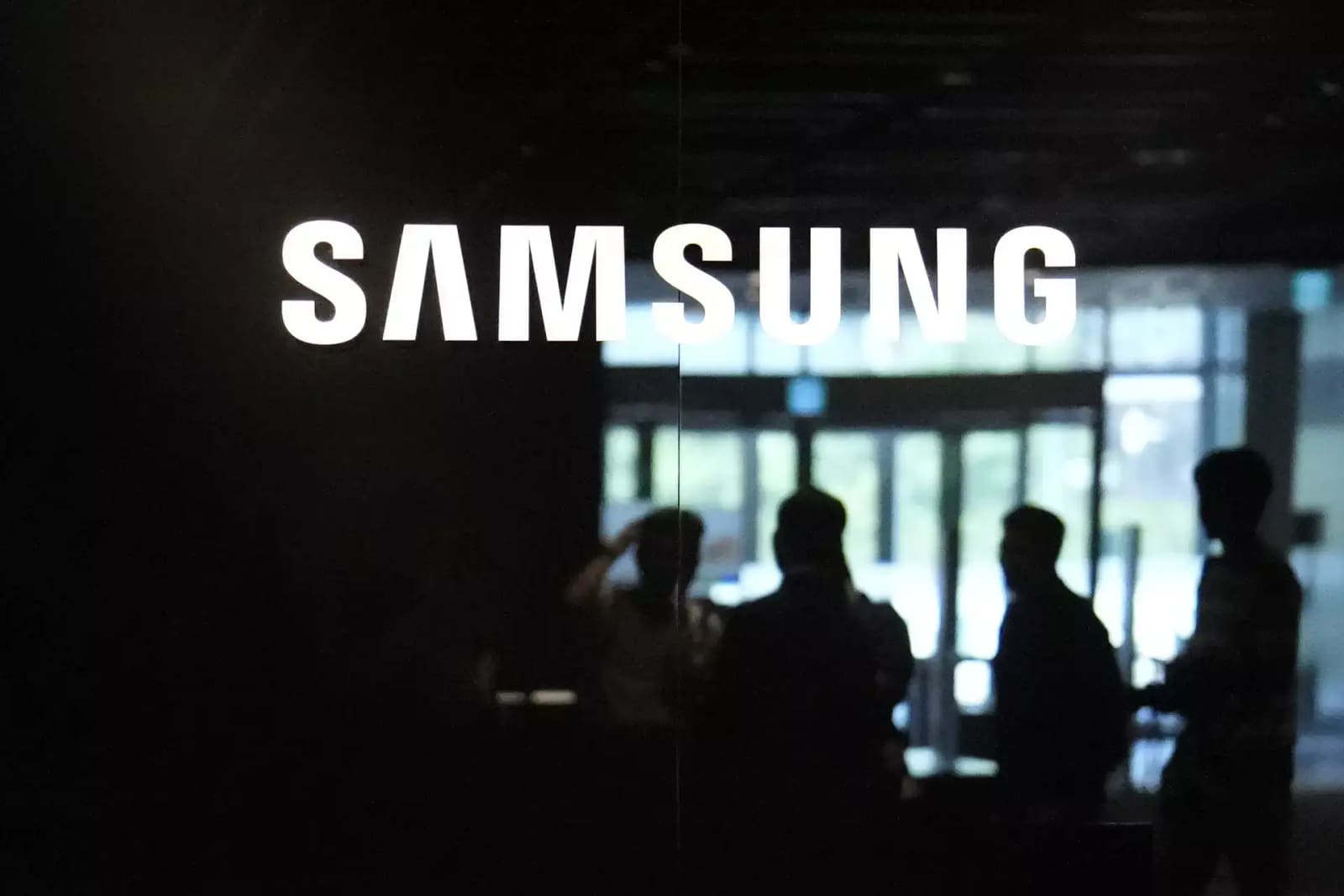
Shares of Samsung Electronics and SK Hynix dropped as much as 14% on Thursday, extending a steep two-day selloff that has rattled South Korea's benchmark Kospi index. Both companies, which dominate global memory chip production, faced heavy selling pressure as investors reassessed growth expectations for artificial intelligence hardware and semiconductor capacity utilization.
The losses mark a sharp reversal for stocks that had rallied strongly over the past year on optimism around generative AI infrastructure spending. Samsung Electronics, the world's largest memory chipmaker, saw its shares hit multi-week lows, while SK Hynix, a leading supplier of high-bandwidth memory used in AI accelerators, posted its steepest single-day decline in months.
Demand and Capacity Fears
Market participants cited a confluence of factors behind the selloff. Concerns over whether AI chip demand can sustain its blistering pace have resurfaced, particularly as hyperscale cloud providers signal more disciplined capital expenditure in the second half of the year. At the same time, fears of excess manufacturing capacity in legacy and mid-tier chip segments have begun to weigh on sentiment, raising questions about pricing power and margin trajectories.
Weak cues from US technology stocks overnight added to the pressure. Major semiconductor and hardware names in the United States closed lower in the previous session, reflecting caution ahead of upcoming earnings reports and guidance from key players in the AI supply chain. The spillover effect hit Asian chip stocks hard, with Seoul bearing the brunt given its heavy weighting toward memory and foundry exposure.
Broader Market Impact
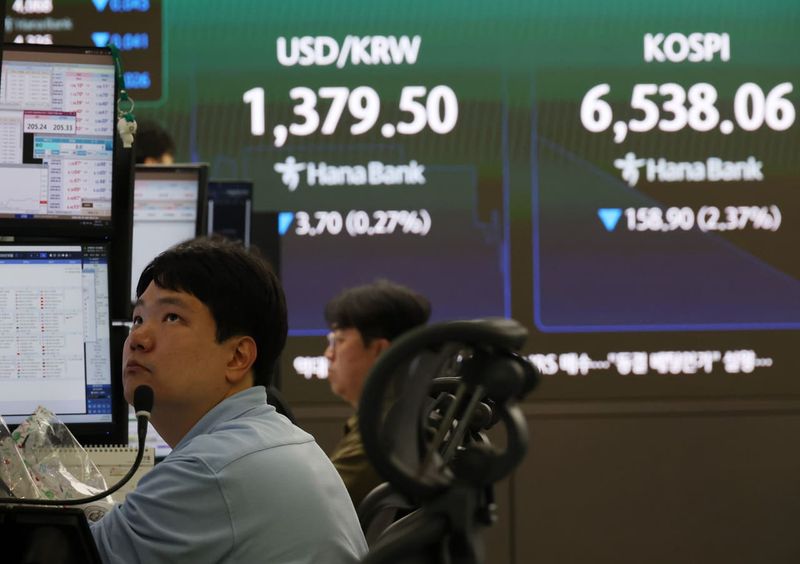
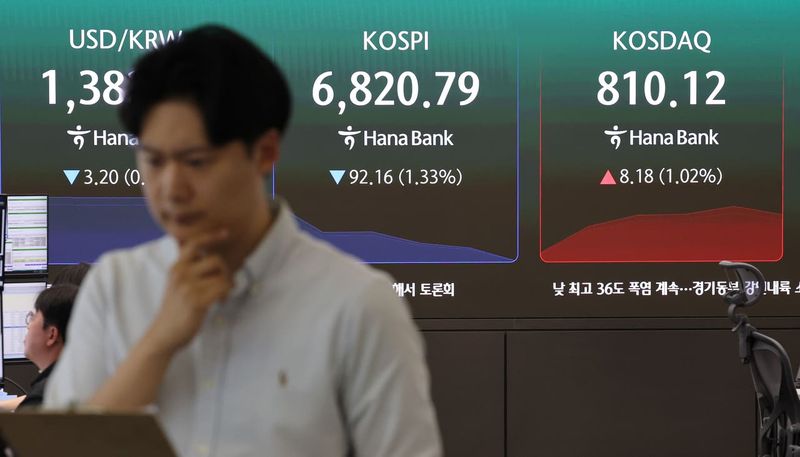
The Kospi index, which had already fallen sharply in the prior session, extended its decline as the rout in semiconductor shares pulled down the broader market. Financials, industrials, and consumer stocks also traded lower, though the steepest losses remained concentrated in the technology sector. Trading volumes surged as institutional and retail investors moved to cut exposure, amplifying volatility across the board.
South Korea's equity market has become increasingly sensitive to shifts in global chip sentiment, given the outsized role of Samsung and SK Hynix in the index. The two companies together account for a significant portion of the Kospi's market capitalization, meaning sharp moves in their share prices can drive index-level swings that affect portfolio flows and sentiment across the region.
What Comes Next
Investors are now watching for signs of stabilization in US tech markets and any new data points on AI infrastructure spending from major cloud providers. Upcoming earnings releases from semiconductor equipment makers and foundries will offer fresh insight into order trends, capacity utilization rates, and pricing dynamics for memory and logic chips.
Analysts note that while short-term volatility is likely to persist, the underlying demand drivers for high-bandwidth memory and advanced packaging remain intact. However, the pace and timing of that demand, along with inventory cycles and competitive dynamics, will determine whether the current selloff represents a temporary correction or a more fundamental repricing of growth expectations.
For now, the mood in Seoul remains cautious. The speed and magnitude of the two-day decline have caught many investors off guard, and market participants are bracing for potential further weakness until clearer signals emerge from the United States and from the companies themselves.
RELATED STORIES
Seoul Markets Tumble as Tech Selloff Ripples Across Asia
Cheng Wei-Lun · 3 min
Memory Makers Gain Leverage as AI Server Costs Climb
Cheng Wei-Lun · 3 min
Samsung Electronics Drops 8% as Market Questions Buyback Strategy
Cheng Wei-Lun · 2 min
Korean Stocks Retreat as Nvidia Earnings Loom
Cheng Wei-Lun · 2 min
Spot something wrong? Email editor@briefasia.com. We log every correction publicly.