Technology · Dev
Samsung, SK Hynix, and Micron Spotlight AI Memory at FMS 2026 as CXMT Stays Away
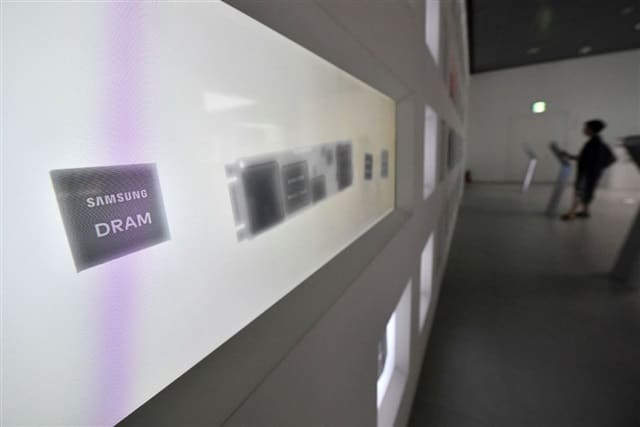
The annual Flash Memory Summit in Santa Clara showcased leading chipmakers' AI roadmaps, but China's rising memory player was notably absent from the exhibitor lineup.
KEY TAKEAWAYS
- ·Samsung Electronics, SK Hynix, and Micron Technology presented AI memory roadmaps at the Flash Memory Summit 2026 in Santa Clara, emphasizing high-bandwidth memory and data-center solutions.
- ·China's Changxin Memory Technologies did not appear on the official exhibitor roster, a notable absence given the event's role in shaping global memory supply chains and technology partnerships.
- ·The summit underscores the memory industry's shift toward AI workloads, with hyperscaler demand and advanced packaging driving capital allocation across Asian fabs and materials suppliers.
Three Giants Take Center Stage
The Flash Memory Summit opened its 2026 edition in Santa Clara this week with the industry's three dominant memory manufacturers front and center. Samsung Electronics, SK Hynix, and Micron Technology used the platform to detail their plans for artificial intelligence workloads, underscoring how data-center demand continues to reshape product roadmaps across the sector.
Each company presented updates on high-bandwidth memory architectures, storage solutions optimized for inference engines, and packaging innovations designed to sit closer to AI accelerators. The presentations reflect a broader shift in the memory industry, where hyperscaler orders and machine-learning requirements now drive more capital-expenditure decisions than traditional mobile or PC refresh cycles.
A Conspicuous Gap in the Roster
Changxin Memory Technologies, the Hefei-based DRAM manufacturer often referred to as CXMT, did not appear on the official exhibitor roster. The absence stands out because FMS has become a key venue for memory suppliers to demonstrate technical capabilities, court equipment vendors, and signal their position in global supply chains.
CXMT has expanded production capacity steadily over the past two years, moving from pilot lines to volume output of DDR4 and early DDR5 products. Industry observers note that the company's participation, or lack thereof, at marquee events like FMS offers a signal of how integrated it aims to be in international technology networks, particularly as memory markets tighten and geopolitical scrutiny intensifies.
Why the Event Draws Attention
FMS serves as more than a trade show. Equipment makers, materials suppliers, and cloud infrastructure teams use the gathering to align on next-generation specifications, negotiate supply agreements, and preview technology nodes before they reach mass production. Decisions made in Santa Clara meeting rooms often ripple through Asian fabs, testing labs, and assembly plants in the months that follow.
For Asia's memory ecosystem, the summit offers a snapshot of where capital and engineering resources will flow. South Korea's dominance in high-bandwidth memory remains unchallenged, but the event also highlights which second-tier players are investing in advanced packaging, which startups are pitching novel architectures, and where gaps in the supply base might open opportunities or risks.
Regional Implications
The trio of Samsung, SK Hynix, and Micron together command the vast majority of global DRAM revenue and a significant share of NAND output. Their joint emphasis on AI memory at FMS 2026 reinforces the view that the next wave of capital spending will concentrate in facilities capable of producing HBM3E and beyond, rather than commodity modules.
That dynamic has consequences across the region. Taiwan's packaging houses stand to benefit as chiplet and 3D stacking designs proliferate. Japanese materials suppliers are positioning themselves as critical links in the HBM supply chain. Meanwhile, Chinese manufacturers face the challenge of closing a technology gap while navigating export controls that limit access to the most advanced lithography and deposition tools.
CXMT's absence from the Santa Clara roster does not imply the company has halted its expansion, but it does suggest a divergence in strategy. Where Samsung and SK Hynix use FMS to showcase roadmap transparency and court multinational customers, CXMT appears to be prioritizing domestic partnerships and government-backed projects over visibility at Western industry gatherings.
What Comes Next
The memory market remains in flux. Prices for DRAM and NAND have stabilized after a prolonged downturn, and AI server builds are providing a demand floor that was absent during previous cycles. But supply discipline, yield challenges on advanced nodes, and the capital intensity of next-generation fabs mean that not every player will be able to keep pace.
FMS 2026 offered a clear picture of who is racing ahead in AI memory and who is choosing a different path. The presence of the established leaders and the absence of a rising challenger both tell part of the same story: Asia's memory landscape is consolidating around a handful of companies with the scale and technology depth to serve hyperscale customers, while others carve out niches or retreat to protected domestic markets.
As the summit continues through the week, equipment vendors and materials firms will be watching closely to see which partnerships form, which roadmaps gain traction, and where the next cycle of investment will land. For now, the message from Santa Clara is that the memory industry's center of gravity has shifted decisively toward AI, and the companies that can deliver on that promise are the ones commanding the stage.
RELATED STORIES
SK Hynix Eyes Deeper Collaboration With Japan's Chip Sector
Cheng Wei-Lun · 4 min

Samsung's Device Division Reports First Quarterly Loss as Chip Costs Surge
Cheng Wei-Lun · 3 min
LG Pivots to AI-Defined Vehicle Platform as Korea Chases China's Self-Driving Lead
Jun-ho Seo · 3 min

South Korea Records Highest September Export Start on Semiconductor Demand
Tran Quoc Bao · 3 min
Spot something wrong? Email editor@briefasia.com. We log every correction publicly.