Technology · Dev
Samsung and SK Hynix Lock Down Long-Term Memory Deals as Shortage Stretches to 2028
South Korea's chip giants are committing the majority of their production capacity to multiyear contracts as customers scramble to secure supply in a prolonged tight market.
KEY TAKEAWAYS
- ·Samsung Electronics will cover 60 to 70 percent of its memory production through long-term agreements, typically structured as rolling five-year contracts reviewed annually.
- ·Both Samsung and SK Hynix expect memory supply to remain constrained through 2028, driving customers to lock in capacity earlier than historical purchasing patterns.
- ·The shift to multiyear contracts allocates the majority of South Korean memory output in advance, leaving less uncommitted capacity for spot buyers and smaller customers.
Securing Capacity in a Constrained Market
Samsung Electronics plans to lock in 60 to 70 percent of its memory production capacity through long-term supply agreements, the company disclosed during its quarterly earnings briefing Thursday. The move reflects a broader shift across South Korea's semiconductor industry as customers seek guaranteed access to chips amid expectations that supply will remain constrained for at least the next three years.
SK Hynix outlined a similar strategy in its own earnings call Wednesday, signaling that both of the country's dominant memory manufacturers are embracing multiyear contracts as the default structure for customer relationships. The agreements typically run for five years initially, with annual reviews that allow an additional year to be rolled onto the term.
The pivot toward binding supply deals marks a departure from the spot-market dynamics that have historically characterized much of the memory chip business. For decades, prices fluctuated sharply based on quarterly supply-demand imbalances, with customers often negotiating contracts that spanned just months. That model is giving way to longer commitments as hyperscalers, device makers, and automotive manufacturers prioritize supply certainty over pricing flexibility.
Why Customers Are Committing Early
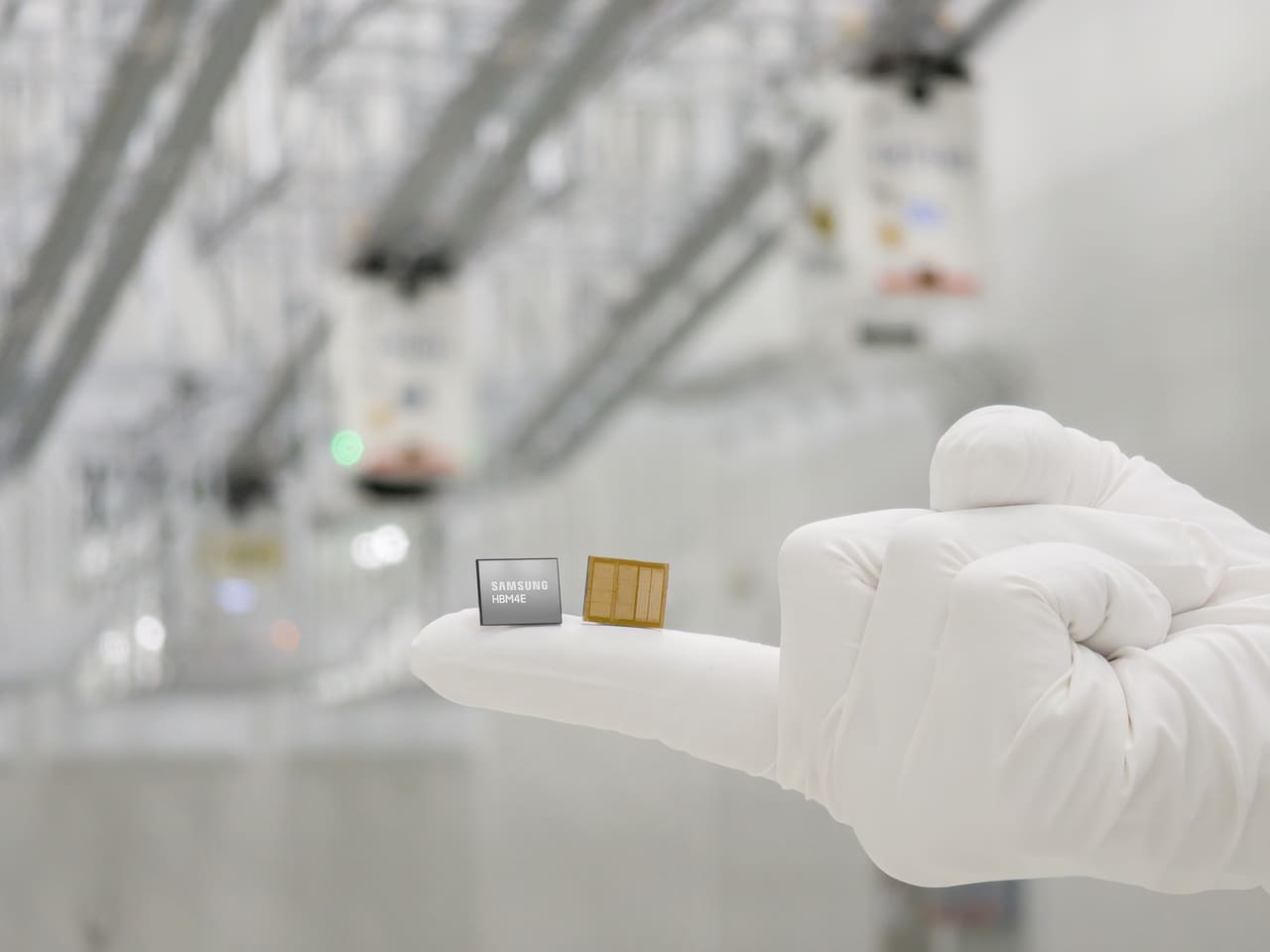
Memory demand has surged alongside the expansion of artificial intelligence infrastructure, data center buildouts, and the proliferation of connected devices. High-bandwidth memory, which is essential for training large language models and powering accelerated computing workloads, has been in particularly short supply. DRAM and NAND flash, the workhorses of consumer electronics and enterprise storage, are also seeing tighter allocation as fab capacity struggles to keep pace with orders.
Samsung noted that customers are willing to accept the structure of rolling five-year terms because it provides visibility into future supply at a time when spot availability is uncertain. The annual review mechanism allows both parties to adjust volume commitments incrementally without renegotiating the entire contract, a feature that has made the format attractive to procurement teams managing multi-generation product roadmaps.
SK Hynix emphasized that the agreements cover not only volume but also technology transitions, enabling customers to plan around the introduction of next-generation memory architectures. This is particularly relevant for cloud providers and AI hardware developers, who need assurance that they can source cutting-edge chips as new node technologies come online.
Industry Implications and Regional Dynamics
The shift to long-term contracts has implications beyond individual company strategies. It effectively allocates a large share of global memory output years in advance, leaving less room for smaller buyers or new entrants to secure capacity on short notice. Companies without binding agreements may find themselves competing for a shrinking pool of uncommitted chips, potentially at premium prices.
South Korea's dominance in memory production amplifies the impact of these decisions. Samsung and SK Hynix together account for more than half of global DRAM supply and a substantial share of NAND flash. Their move toward contracted capacity reshapes the competitive landscape for rivals in the United States, China, and Japan, who must now contend with a market where much of the supply is spoken for before it reaches production lines.
The timeline cited by both companies extends the memory shortage narrative well beyond previous industry forecasts. Earlier projections had suggested that capacity additions planned for 2025 and 2026 would begin to ease constraints by late 2026. The acknowledgment that tightness will persist through 2028 suggests either that demand is growing faster than anticipated or that planned fab expansions are encountering delays.
What Happens Next
The adoption of multiyear agreements is likely to become standard practice across the memory industry, particularly for high-value customers with large-scale procurement needs. Smaller device makers and regional distributors may need to adjust purchasing strategies, either by committing to volume earlier in their planning cycles or by accepting less favorable terms for spot purchases.
Samsung and SK Hynix have not disclosed pricing structures for these long-term deals, but industry observers expect that customers are paying a premium for supply certainty compared to historical spot rates. The trade-off reflects a broader recalibration of risk in semiconductor procurement, where the cost of a production halt due to chip shortages often exceeds the savings from opportunistic buying.
As the memory market continues to tighten, the balance of negotiating power will remain with manufacturers. The question for the rest of the supply chain is how long that dynamic persists and whether new capacity from competing fabs will eventually restore pricing leverage to buyers.
RELATED STORIES

SK Hynix May Fast-Track Gwangju Fab Investment Alongside Yongin Expansion
Jun-ho Seo · 3 min
Memory Makers Gain Leverage as AI Server Costs Climb
Cheng Wei-Lun · 3 min
SK Hynix Eyes Deeper Collaboration With Japan's Chip Sector
Cheng Wei-Lun · 4 min

Samsung's Device Division Reports First Quarterly Loss as Chip Costs Surge
Cheng Wei-Lun · 3 min
Spot something wrong? Email editor@briefasia.com. We log every correction publicly.