Finance · Markets
Samsung Pushes Memory Buyers Toward Higher DRAM Prices This Quarter
The world's largest chipmaker is leveraging tight supply conditions to negotiate steeper contract terms as AI server demand reshapes the semiconductor landscape
KEY TAKEAWAYS
- ·Samsung Electronics is negotiating higher DRAM contract prices for Q3 2026, targeting both PC and server memory segments with differentiated increases by end market.
- ·Supply discipline among top producers and surging AI infrastructure demand have restored pricing power to memory makers after the 2022-2023 downturn.
- ·Asia-Pacific buyers face compressed timelines to finalize contracts or risk paying elevated spot rates as cloud providers compete for high-bandwidth memory allocation.
Contract Talks Reflect Shifting Leverage
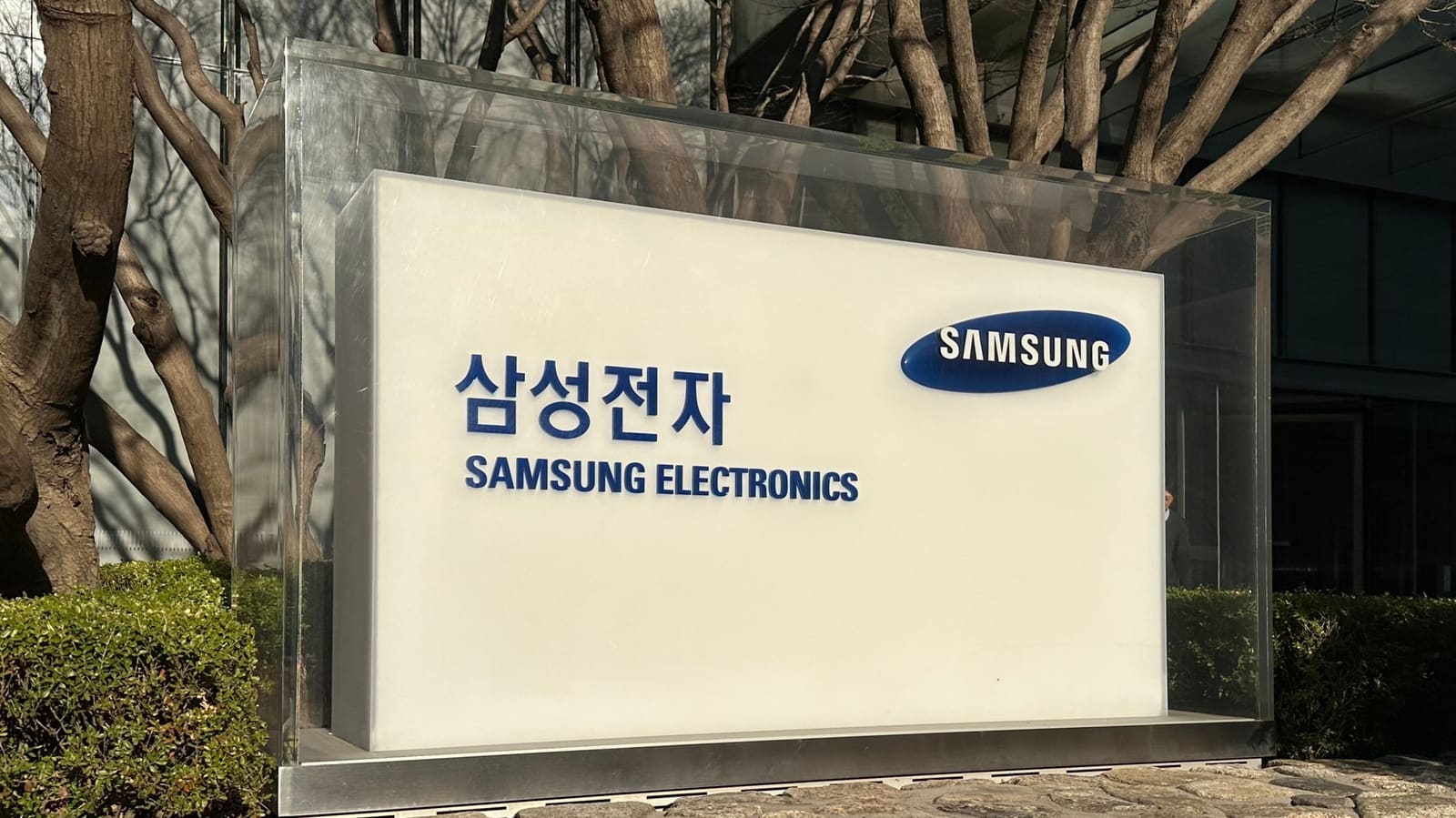
Samsung Electronics has opened third-quarter contract negotiations with memory buyers by proposing higher pricing for DRAM chips, according to industry sources familiar with the discussions. The move comes as the South Korean semiconductor giant seeks to capitalize on supply constraints that have persisted through the first half of 2026, even as production capacity begins to normalize following two years of cyclical turbulence.
The pricing push targets both PC and server DRAM segments, though the latter carries particular weight given the explosive growth in artificial intelligence infrastructure spending. Hyperscale data center operators in Singapore, Tokyo, and Seoul have been among the most aggressive buyers, competing for allocation of high-bandwidth memory modules essential to training and deploying large language models.
Samsung's negotiating position reflects a broader industry dynamic: memory makers have regained pricing power after enduring a brutal downturn in late 2022 and early 2023, when oversupply drove spot prices below cash production costs. The recovery has been uneven, with contract prices lagging spot markets by one to two quarters, but momentum has clearly shifted toward suppliers.
Supply Discipline and Demand Signals
Three factors underpin Samsung's confidence in seeking higher contract terms. First, the company and its principal competitors maintained strict capital discipline throughout the downturn, delaying fab expansions and reducing wafer starts to bring inventory levels down. That restraint has kept supply growth below the pace of demand recovery, particularly in advanced node production where AI accelerators require cutting-edge packaging and testing.
Second, demand signals from major buyers remain robust. Cloud service providers across Asia Pacific reported double-digit growth in infrastructure spending during the first quarter, with memory procurement representing a disproportionate share of component budgets. One Singapore-based hyperscaler disclosed plans to triple its GPU server fleet by year-end, a timeline that requires securing DRAM supply now to meet deployment schedules in the fourth quarter and into 2027.
Third, geopolitical factors continue to fragment the memory supply chain. Export controls imposed by the United States on advanced semiconductor manufacturing equipment have complicated capacity planning for Chinese producers, effectively ceding market share to Samsung, SK hynix, and Micron Technology. The resulting oligopoly structure gives the top three suppliers greater latitude to coordinate pricing strategies, even as regulators in multiple jurisdictions monitor the sector for anti-competitive behavior.
Regional Implications for Buyers
The pricing pressure arrives at a delicate moment for electronics manufacturers and system integrators across Asia. Contract negotiations typically conclude in the final weeks of a quarter, meaning buyers face a compressed window to secure volume commitments or risk paying higher spot rates in July and August.
For PC makers concentrated in Taiwan and mainland China, higher DRAM costs threaten already thin margins on consumer devices. The back-to-school season traditionally drives a modest uptick in notebook demand, but pricing elasticity remains high; a 10 percent increase in component costs can erase profitability on mid-tier models. Several assemblers have already signaled they may absorb cost increases rather than pass them to retailers, betting that volume gains will offset margin compression.
Server original equipment manufacturers face a different calculus. Enterprise and cloud customers have shown willingness to pay premium prices for systems that deliver faster time-to-deployment, particularly when AI workloads generate immediate revenue or cost savings. That willingness has emboldened ODMs in Taiwan to accept higher memory prices, confident they can preserve gross margins by bundling value-added services such as custom firmware or accelerated delivery schedules.
The divergence between consumer and enterprise demand has prompted Samsung to differentiate its pricing strategy by end market. Sources indicate the company is proposing mid-single-digit percentage increases for commodity DDR4 modules used in mainstream PCs, while seeking high-single-digit or even low-double-digit increases for DDR5 and specialized server memory. High-bandwidth memory variants command even steeper premiums, though those products are typically sold under long-term agreements negotiated separately from quarterly contract rounds.
Historical Context and Cycle Dynamics
Memory pricing operates on a cyclical pattern driven by the mismatch between lumpy capacity additions and continuous demand growth. Fabs take two to three years to build and equip, meaning supply decisions made in 2023 are only now coming online. Samsung began construction on a new DRAM line in Pyeongtaek during the downturn, betting that demand would recover by the time the facility reached volume production in late 2026. That bet appears prescient, though the company has been careful to ramp output gradually to avoid repeating the oversupply mistakes of previous cycles.
The current pricing environment also reflects lessons learned from the 2018-2019 downturn, when memory makers flooded the market with new capacity just as smartphone and PC demand softened. Spot DRAM prices fell more than 50 percent over six quarters, wiping out billions in operating profit and forcing chipmakers to idle production lines. The financial pain concentrated minds across the industry, leading to a more disciplined approach to capacity planning and a willingness to sacrifice market share to preserve profitability.
Samsung's pricing push serves as a litmus test for how much leverage suppliers have regained. If major buyers accept the proposed increases without significant pushback, it will signal that the memory market has entered a sustained upcycle with potential to run into 2027. Conversely, resistance from buyers or signs that spot prices are weakening could force Samsung and its peers to moderate their ambitions, particularly if macroeconomic headwinds begin to weigh on enterprise IT spending.
What Buyers Are Watching
Procurement teams at system integrators and cloud builders are closely monitoring several indicators as they navigate contract talks. Spot market prices in the Taiwan and Korean trading hubs provide a real-time benchmark for negotiating leverage. Recent spot transactions have shown prices stabilizing after a sharp run-up in the second quarter, suggesting the market may be approaching equilibrium.
Inventory levels at distributors and brokers also offer clues about supply tightness. Channel checks in Hong Kong and Shenzhen indicate that stockpiles of popular DRAM modules have declined to multi-year lows, a sign that demand is outstripping supply at current price levels. Distributors report lead times stretching from two weeks to four weeks for certain high-density modules, up from same-day or next-day availability during the oversupply period.
Finally, buyers are gaming out Samsung's production plans and those of its competitors. Public disclosures and analyst estimates suggest that industry-wide DRAM bit supply will grow in the high-single digits this year, roughly in line with demand growth. That balance leaves little room for error; any disruption at a major fab or unexpected surge in demand could tighten the market further, giving suppliers additional pricing power in the fourth quarter.
The outcome of Samsung's Q3 pricing initiative will set the tone for the remainder of 2026 and influence capital allocation decisions across the memory sector. For now, the company is betting that strong AI-driven demand and disciplined supply growth have tilted the balance in its favor.
RELATED STORIES
Memory Makers Gain Leverage as AI Server Costs Climb
Cheng Wei-Lun · 3 min

Samsung's Device Division Reports First Quarterly Loss as Chip Costs Surge
Cheng Wei-Lun · 3 min
Index Funds Face Hidden Concentration Risk From AI Boom
Cheng Wei-Lun · 3 min
Seoul Markets Tumble as Tech Selloff Ripples Across Asia
Cheng Wei-Lun · 3 min
Spot something wrong? Email editor@briefasia.com. We log every correction publicly.