Technology · Dev
Samsung Faces Reliability Setbacks in GaN Foundry Push
High-temperature failures threaten to delay mass production until 2027, compounding earlier customer acquisition struggles in the competitive gallium nitride market.
KEY TAKEAWAYS
- ·Samsung's gallium nitride foundry devices are failing high-temperature reliability tests, threatening to push mass production into 2027.
- ·The setbacks follow earlier struggles to secure device customers and the company's exit from a government-backed GaN development program.
- ·Established rivals including TSMC and specialty foundries already serve the GaN market with proven processes and customer relationships.
Technical Hurdles Mount
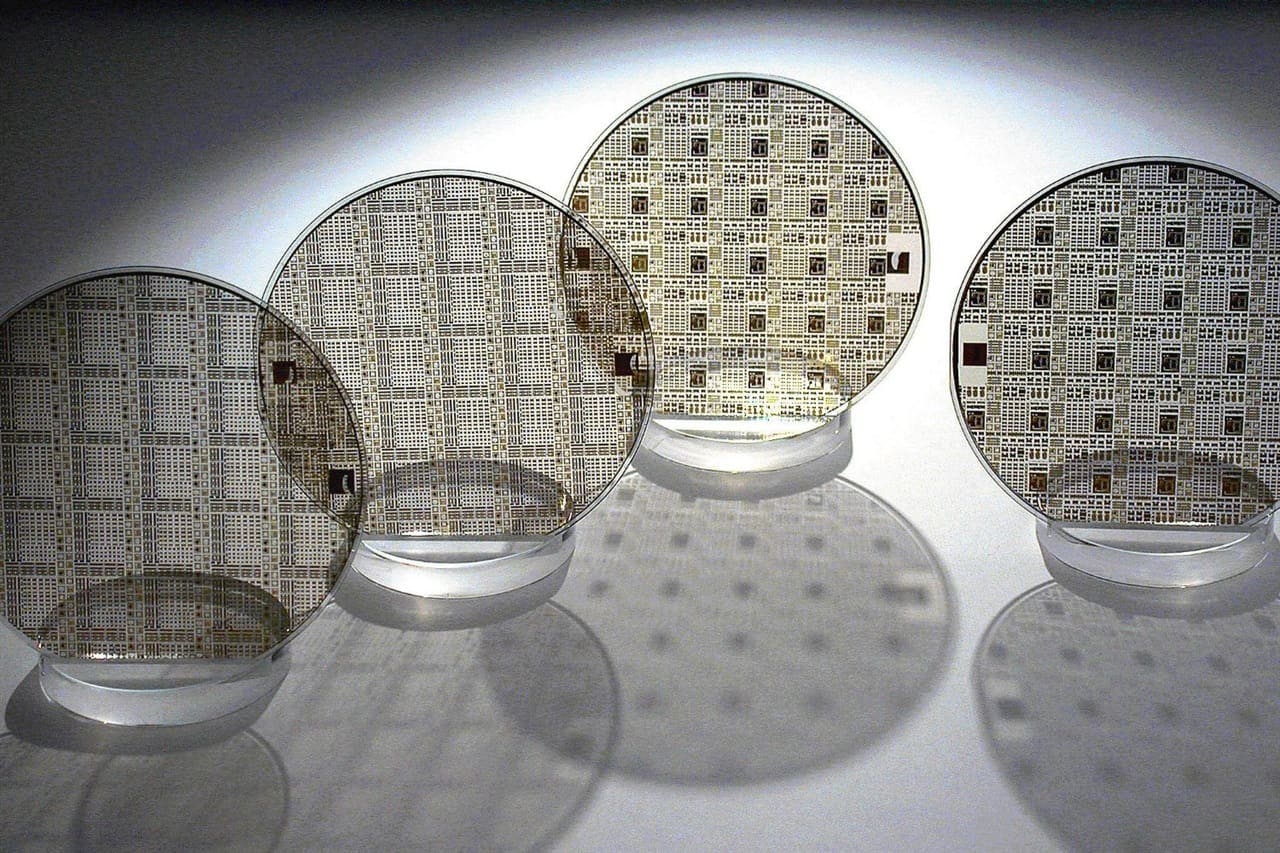
Samsung Electronics has encountered fresh reliability problems in its gallium nitride foundry program, with devices failing under high-temperature stress testing. The setbacks threaten to push commercial production beyond the company's original timeline and into 2027, adding another layer of difficulty to an already troubled entry into the GaN semiconductor market.
The reliability gap centers on how Samsung's GaN devices perform under sustained thermal stress, a critical benchmark for power electronics and RF applications. Gallium nitride components are prized precisely for their ability to handle high voltages, frequencies, and temperatures better than silicon alternatives. Any weakness in thermal endurance undermines the core value proposition and raises red flags for potential customers evaluating the technology for automotive, telecom infrastructure, and industrial power systems.
A Pattern of Setbacks
The latest technical problems compound a series of earlier challenges. Samsung previously struggled to secure design-in commitments from device customers, a vital step for any foundry hoping to ramp volume production. Without anchor customers willing to commit orders, a foundry faces the risk of idle capacity and unrecovered investment in process development.
The company also walked away from a government-supported GaN development initiative, a decision that signaled either strategic reassessment or an inability to meet program milestones. Government backing typically provides both funding and credibility, so the withdrawal raised questions about the internal health of Samsung's GaN roadmap.
Crowded and Mature Competition
Samsung is entering a market already well served by incumbents. TSMC, the world's largest contract chipmaker, has been offering GaN foundry services for years and counts major RF and power semiconductor firms among its customers. Specialty foundries such as Taiwan's WIN Semiconductors and Japan's Sumitomo Electric have built deep expertise in compound semiconductors, including GaN, and have established supply relationships with defense, telecom, and automotive clients.
These rivals have already navigated the steep learning curve of GaN manufacturing: managing crystal defects, optimizing epitaxial growth, ensuring uniformity across wafers, and validating reliability under real-world stress. For Samsung, closing that gap requires not only solving immediate technical problems but also demonstrating to risk-averse customers that its process is mature, stable, and cost-competitive.
Strategic Implications for Samsung Foundry
The GaN delays arrive at a sensitive moment for Samsung's broader foundry ambitions. The company has invested heavily to challenge TSMC in advanced logic nodes, targeting hyperscale cloud providers, fabless chip designers, and automotive customers. Success in those arenas depends on reputation for execution, yield, and reliability.
Persistent problems in a niche but strategically important technology like GaN risk casting doubt on Samsung's ability to deliver on complex process development. While GaN represents a small fraction of total foundry revenue, it serves high-value verticals such as 5G base stations, satellite communications, electric vehicle inverters, and fast-charging infrastructure, markets where Samsung has broader ambitions.
What Comes Next
Samsung has not publicly confirmed a revised timeline for GaN mass production, nor detailed the root cause of the high-temperature failures. The company's ability to diagnose and resolve the reliability issues will determine whether the 2027 target is realistic or optimistic.
In the meantime, potential customers evaluating multi-source strategies for GaN supply may lean more heavily on proven alternatives. For Samsung, regaining momentum will require not just technical fixes but renewed confidence from a customer base that has already seen delays and strategic pivots.
The clock is ticking, and in the foundry business, credibility is harder to recover than capacity.
RELATED STORIES

Samsung's Device Division Reports First Quarterly Loss as Chip Costs Surge
Cheng Wei-Lun · 3 min
Samsung and SK Hynix Turn Down KEPCO's Multibillion-Dollar Prepayment Demand
Cheng Wei-Lun · 4 min

South Korea Records Highest September Export Start on Semiconductor Demand
Tran Quoc Bao · 3 min
South Korea Taps Three Telecom Giants to Deliver Free AI Services Nationwide
Cheng Wei-Lun · 3 min
Spot something wrong? Email editor@briefasia.com. We log every correction publicly.