Technology · Products
Samsung's Galaxy Z Fold8 Debuts With Wider Build and Refined Hinge Design
The latest book-style foldable from Samsung introduces a more compact, practical form factor alongside a less visible display crease
KEY TAKEAWAYS
- ·Samsung unveiled the Galaxy Z Fold8 with a shorter, wider build and reduced weight compared to previous Fold models, improving everyday handling.
- ·The new hinge design makes the display crease substantially less visible, addressing a longstanding criticism of Samsung's book-style foldables.
- ·The redesign positions Samsung to compete with Chinese manufacturers that have gained ground in Asia's growing foldable market with refined form factors.
A Shift in Proportions
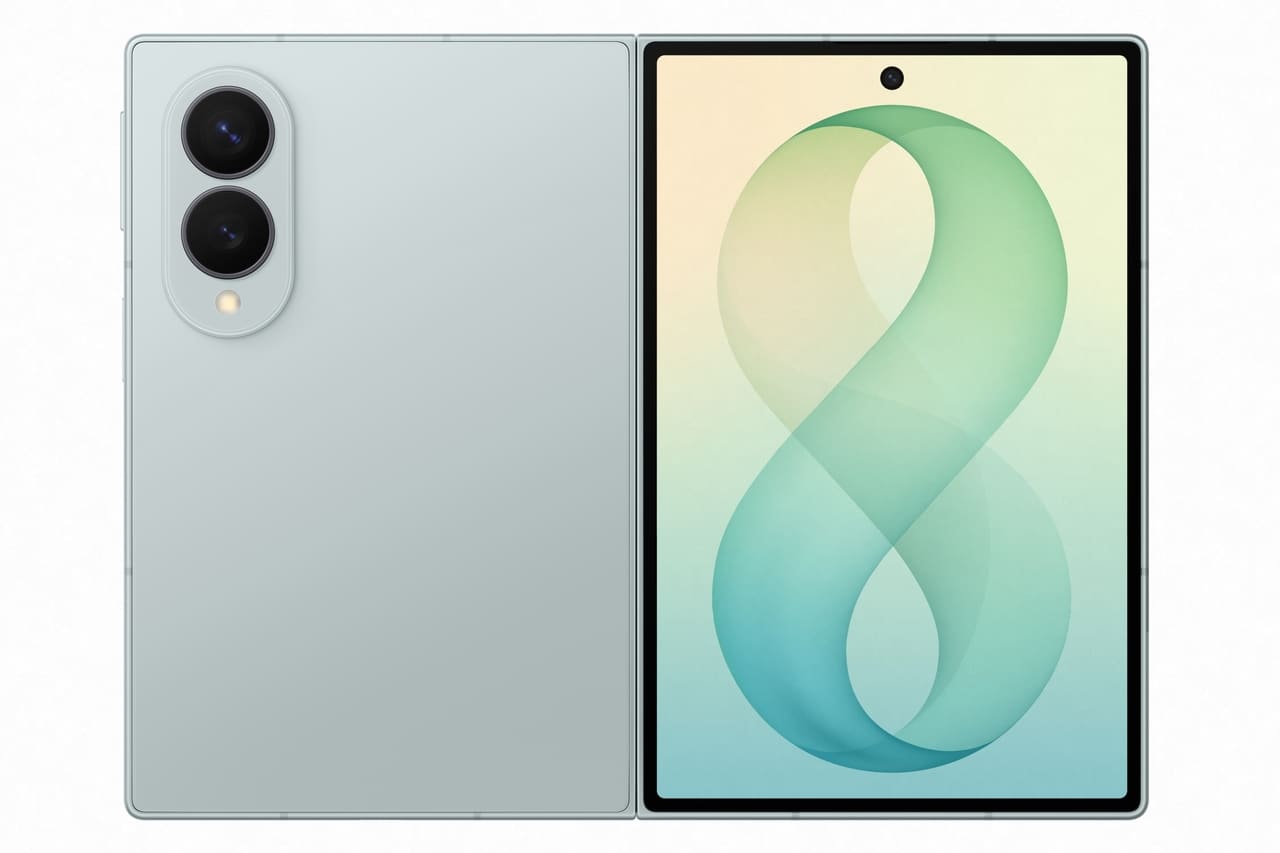
Samsung has reworked the fundamental shape of its flagship foldable phone. The Galaxy Z Fold8, unveiled at Galaxy Unpacked 2026 in London this week, adopts a shorter, wider profile compared to the narrow, elongated silhouette that defined earlier Fold iterations.
The change is immediately noticeable when holding the device closed. Where past models felt awkwardly tall and slim in hand, the Fold8 sits with better balance in the palm. Samsung has also reduced the overall weight, making extended use less fatiguing.
The company introduced three new foldable devices at the event, but the Fold8 drew the most attention during initial hands-on sessions. Industry observers had anticipated a design refresh after years of incremental updates to the Fold line.
Display Improvements
One of the persistent criticisms of Samsung's book-style foldables has been the visible crease running down the center of the internal display. The Fold8 addresses this with engineering changes to the hinge mechanism and screen lamination.
While the crease has not disappeared entirely, it is substantially less prominent than on the Fold7 or earlier models. The reduction is noticeable both visually and to the touch, particularly when swiping across the center of the screen during normal use.
The wider aspect ratio also affects how content appears on the internal display. Apps that previously felt cramped or awkwardly formatted on the narrow Fold screens now have more usable horizontal space. This matters most for productivity tasks, multitasking scenarios, and video consumption.
Samsung has not yet disclosed the exact dimensions or weight specifications for the Fold8, but the difference from previous generations is clear in direct comparison.
Practical Considerations
The design changes suggest Samsung is prioritizing everyday usability over the pursuit of maximum screen size. Foldables have struggled to gain mainstream traction in part because their form factors often feel like compromises, useful for specific tasks but awkward for routine phone use.
A wider, more balanced shape addresses some of those concerns. The Fold8 feels less like a specialized device and more like a standard phone that happens to unfold into a tablet. That shift could prove important as the foldable category matures and manufacturers compete for users beyond early adopters.
The timing is significant. Foldable shipments across Asia have grown steadily, with South Korea, China, and India representing the largest markets. Samsung faces intensifying competition from Chinese manufacturers, several of which have introduced foldables with refined hinges and more conventional aspect ratios.
Market Context
Samsung remains the dominant player in the global foldable market, but its share has declined as competitors launch compelling alternatives. The Fold8 represents Samsung's response to that pressure, particularly in Asian markets where foldables have gained the most traction.
The device will compete directly with recent launches from Chinese brands that have also adopted wider designs and improved hinge technology. Pricing and availability details for the Fold8 have not been announced, but Samsung typically positions its Fold series at the premium end of the market.
The company has invested heavily in foldable technology over the past five years, treating the category as a key differentiator in a smartphone market that has otherwise seen slowing innovation. The design refinements in the Fold8 indicate that Samsung is responding to user feedback and competitive dynamics rather than simply iterating on the same formula.
Whether these changes are enough to broaden the appeal of foldables beyond niche enthusiast segments remains to be seen. But the Fold8 represents the most substantive redesign Samsung has applied to its book-style foldable since the original Galaxy Fold launched in 2019.
The device is expected to reach markets in the coming months, with Asia likely to see availability ahead of other regions. Samsung has not detailed launch timelines or regional rollout plans.
RELATED STORIES

Samsung's Device Division Reports First Quarterly Loss as Chip Costs Surge
Cheng Wei-Lun · 3 min

South Korea Taps Three Telecom Giants to Deliver Free AI Services Nationwide
Cheng Wei-Lun · 3 min

SK Hynix Eyes Deeper Collaboration With Japan's Chip Sector
Cheng Wei-Lun · 4 min

Memory Makers Gain Leverage as AI Server Costs Climb
Cheng Wei-Lun · 3 min
Spot something wrong? Email editor@briefasia.com. We log every correction publicly.