Asia · Business
Sabah Secures Bigger Energy Stakes as Petronas Deal Nears Completion
Malaysia's resource-rich state will hold 40% of a floating LNG facility and 20% of the Sandakan field, marking a shift in federal-state resource arrangements.
KEY TAKEAWAYS
- ·Sabah will receive a 40 per cent stake in a floating LNG facility and 20 per cent of the Sandakan oil and gas field under an agreement with Petronas expected within months.
- ·The equity arrangement marks a shift from royalty-based payments to direct project ownership, giving the state exposure to both operational risks and revenue upside.
- ·Existing industrial parks in Sabah are nearing capacity, prompting plans for new zones on the east coast and a blue economy-focused park in the north.
A Larger Share of the Resource Pie
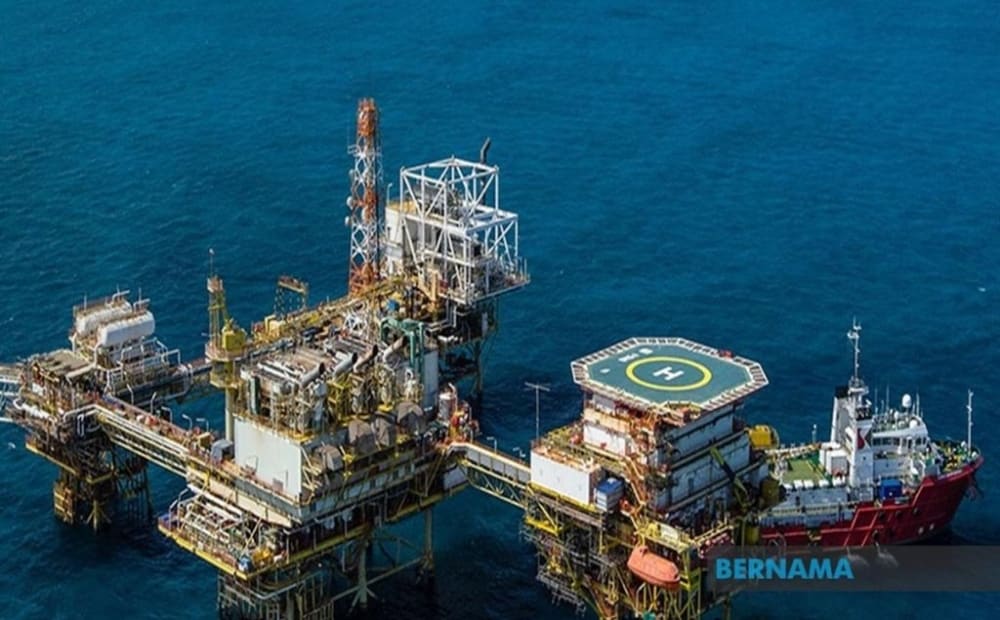
Sabah will take a 40 per cent stake in a floating liquefied natural gas facility operating in state waters and 20 per cent of the Sandakan oil and gas field, according to Chief Minister Hajiji Noor. The agreement with Petronas is expected to be finalized within months, capping years of negotiation over how Malaysia's easternmost state participates in the energy sector built on its offshore reserves.
The equity arrangement represents one of the most concrete outcomes of closer coordination between Kota Kinabalu and Kuala Lumpur on resource-sharing. Hajiji framed the deal as evidence that federal-state cooperation can unlock tangible economic benefits, a message aimed at both local constituents and potential investors watching how Malaysia manages its energy federalism.
Sabah has long sought a greater role in the oil and gas industry that extracts billions of dollars in hydrocarbons from waters off its coast. The new stakes give the state government direct exposure to project economics rather than relying solely on royalties and negotiated payments, a structure that has been a source of political friction in Borneo for decades.
Industrial Capacity Under Pressure
Investor demand is pushing Sabah's existing industrial infrastructure to its limits. The Kota Kinabalu Industrial Park and the Sipitang Oil and Gas Industrial Park are nearing full capacity, according to Hajiji, prompting the state to map out new zones on the east coast and a blue economy-focused park in the north.
The chief minister cited nearly 40 meetings with foreign diplomats and high commissioners over the past five years as evidence of growing international interest. He attributed the attention to policies designed to ease entry for foreign capital, a strategy Sabah is deploying to diversify an economy historically reliant on palm oil, timber, and petroleum royalties.
The state is also advancing plans for a 1,000-acre township in Kalabakan, near the Indonesian border, together with a customs, immigration, and quarantine complex and a new road linking the district to the frontier. The infrastructure push is designed to capture cross-border trade flows and integrate Sabah more tightly into regional supply chains that span Kalimantan and the southern Philippines.
Energy Equity as Regional Template
The Petronas arrangement may offer a template for other resource-holding states in Southeast Asia grappling with how to balance central control of natural assets with local economic development. Sabah's experience suggests that negotiated equity stakes, rather than purely fiscal transfers, can serve as a mechanism to align state and national interests when political trust is high enough to sustain multi-year deal-making.
For Petronas, the deal provides political stability in a state where resource nationalism has occasionally flared. Giving Sabah a direct financial interest in project success reduces the risk of future disputes over royalty rates or environmental approvals, smoothing the path for long-term capital deployment in offshore developments that require decades to recoup investment.
The floating LNG facility in particular represents a significant technical and financial commitment. FLNG units are among the most complex pieces of energy infrastructure, capable of liquefying gas at sea and loading it directly onto tankers, bypassing the need for onshore terminals. A 40 per cent stake gives Sabah exposure to both the operational risks and the revenue upside of that model, a bet that global LNG demand, particularly from Northeast Asian buyers, will remain robust through the 2030s.
What Comes Next
The timing of the final agreement will be closely watched by other Malaysian states with resource grievances, including Sarawak, which has pursued its own energy autonomy agenda. If Sabah's equity model proves financially successful and politically sustainable, it may prompt broader renegotiation of how Malaysia's federal structure handles natural resource ownership, an issue that has shaped electoral politics in East Malaysia for generations.
For now, Sabah's leadership is signaling confidence that closer federal ties and a more investor-friendly posture can accelerate economic growth without sacrificing local control. Whether that balance holds will depend on how the new equity stakes perform, how transparently revenues are managed, and whether the industrial expansion delivers the jobs and spillover benefits the state is counting on.
RELATED STORIES
Malaysia's Petronas Reports Steady Earnings Amid Energy Security Push
Priyanka V. Rao · 2 min

Southeast Asian Firms Overlook Digital Pact Worth USD 2 Trillion
Lim Hui Ying · 4 min
Penang Captures 34% of Malaysia's Manufacturing Investment in First Half
Anand Sundaram · 2 min
Malaysia's July Trade Surge Points to Strengthening Regional Demand
Priyanka V. Rao · 3 min
Spot something wrong? Email editor@briefasia.com. We log every correction publicly.