Finance · Markets
Ringgit Gains Ground as Weak US Jobs Data Pressures Dollar
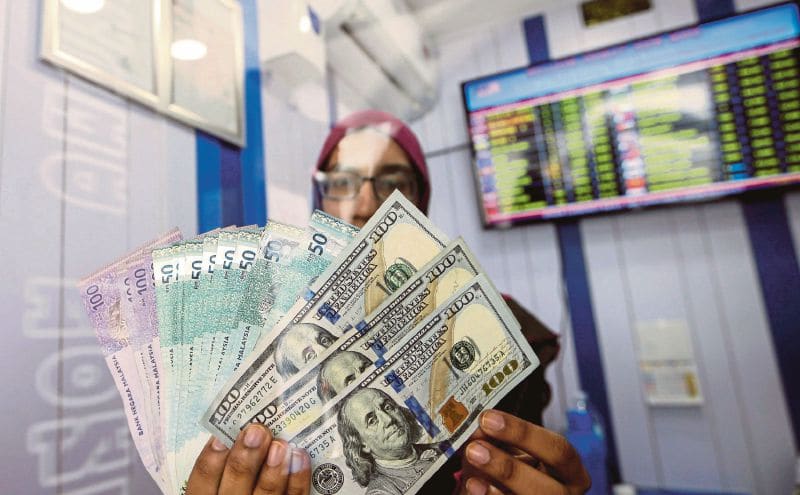
Malaysia's currency edged higher in early trading as disappointing American employment figures and softer services data pulled the greenback lower across Asian markets.
KEY TAKEAWAYS
- ·The ringgit opened at 4.0905 per US dollar Thursday, up from 4.0920, after July US private payroll additions came in at 44,000 versus the 68,000 forecast.
- ·Fed Governor Lisa Cook signaled support for rate hikes if inflation persists, while Brent crude held below $80 per barrel amid potential Strait of Hormuz reopening.
- ·Analysts project the dollar-ringgit pair will trade between 4.07 and 4.09 ahead of Friday's US non-farm payrolls report as traders reduce risk exposure.
Early Morning Strength
The ringgit opened Thursday at 4.0905 per US dollar, a modest improvement from the previous session's close of 4.0920, as currency traders digested a batch of underwhelming economic indicators from the United States that dampened appetite for the greenback.
Malaysia's currency found support alongside other regional peers after July employment data from the world's largest economy fell short of analyst expectations. The ADP private payroll report showed just 44,000 new jobs added during the month, well below the consensus forecast of 68,000 and a sharp decline from June's 95,000 additions.
The US Dollar Index slipped 0.18 percent to 99.676 as markets recalibrated their expectations for Federal Reserve policy trajectory. Services sector activity also disappointed, with the ISM non-manufacturing index registering 54.1 in July against expectations of 54.5.
Fed Signals and Energy Markets
Despite the softer data, Federal Reserve Governor Lisa Cook signaled continued vigilance on inflation, noting she would back further interest rate increases if price pressures proved more persistent than current forecasts suggest. That hawkish commentary provided a floor under dollar weakness, limiting the ringgit's gains.
Energy markets added another dimension to currency movements. Brent crude prices held below the $80 per barrel threshold amid reports of potential de-escalation in Middle Eastern shipping lanes, with speculation mounting over a possible reopening of the Strait of Hormuz. Lower oil prices typically ease inflationary pressure across import-dependent Asian economies, though they also reduce export revenues for commodity producers.
Bank Muamalat Malaysia chief economist Mohd Afzanizam Abdul Rashid projected the dollar-ringgit pair would trade in a 4.07 to 4.09 band through Thursday's session, reflecting the competing forces of weak US data and cautious risk sentiment.
Regional Currency Patterns
Against other major currencies, the ringgit showed mixed performance. It held nearly flat against the Japanese yen at 2.5942, while weakening slightly to 4.7266 per euro. The local currency gained ground versus the British pound, moving to 5.5087 from Wednesday's 5.5107 close.
Within Southeast Asia, the ringgit softened against the Singapore dollar to 3.1932 and lost ground to the Thai baht, which strengthened to 12.3655 ringgit per baht from 12.3216 the previous day. The currency edged marginally higher against the Indonesian rupiah to 228.0 and held steady at 6.73 per Philippine peso.
Narrow Trading Ahead
Market participants face a compressed decision window ahead of Friday's US non-farm payrolls report, traditionally the most closely watched monthly employment indicator. Quintex Intel global strategist Stephen Innes noted that traders were rebalancing portfolios and trimming risk exposure in anticipation of the data release.
That caution, combined with ongoing uncertainty over Middle East peace negotiations, suggests the ringgit may remain range-bound in the near term. Broader risk sentiment has softened as investors await concrete details on diplomatic efforts, limiting enthusiasm for emerging market currencies even as dollar weakness creates technical opportunities.
The interplay between Fed policy signals, US economic performance, and geopolitical developments in energy-producing regions will likely determine whether the ringgit can sustain its recent momentum or retreat toward the 4.10 level. For now, currency markets are pricing in modest dollar weakness without committing to a more decisive move in either direction.
RELATED STORIES
Ringgit Gains Ground as Weak US Jobs Data Shifts Fed Rate Outlook
Cheng Wei-Lun · 3 min

Ringgit Holds Steady Against Dollar as Markets Await US Jobs Data
Cheng Wei-Lun · 2 min
Malaysian Equities Poised for Modest Gains Amid Domestic Resilience
Priyanka V. Rao · 3 min
Malaysian Ringgit Holds Ground as Weak US Jobs Data Clouds Fed Path
Priyanka V. Rao · 2 min
Spot something wrong? Email editor@briefasia.com. We log every correction publicly.