Finance · Markets
Ringgit Gains Ground as Weak US Jobs Data Shifts Fed Rate Outlook
Malaysia's currency strengthened against the dollar after July payrolls missed forecasts by 111,000 jobs, though Strait of Hormuz tensions cap upside

KEY TAKEAWAYS
- ·The ringgit strengthened to 4.0875 per dollar after US non-farm payrolls fell 23,000 in July, missing forecasts by 111,000 jobs and pushing labour force participation to 61.4 per cent.
- ·Probability of a September Federal Reserve rate hike dropped from 57 per cent to 43.9 per cent following the weak jobs report, reducing the dollar's yield advantage.
- ·Bank Muamalat Malaysia projects the ringgit will trade between 4.07 and 4.09 near term, with Strait of Hormuz uncertainties acting as a constraint on further gains.
Labour Market Weakness Tilts Currency Markets
The Malaysian ringgit strengthened to 4.0875 per US dollar in early Monday trading, reflecting a shift in investor sentiment after July's US employment data revealed a contraction rather than growth. Non-farm payrolls fell by 23,000 positions, according to Bank Muamalat Malaysia, a sharp reversal from consensus forecasts that had anticipated 88,000 new jobs.
The miss represents a 111,000-job gap between expectations and reality, marking one of the more significant divergences in recent reporting cycles. Average hourly earnings growth moderated to 3.2 per cent in July, while the labour force participation rate dropped to 61.4 per cent, its eighth consecutive monthly decline.
The data package shifts the calculus for the Federal Reserve's September policy meeting. Probability of an interest rate increase fell from 57 per cent before the release to 43.9 per cent after, reducing the yield advantage that had supported the dollar across emerging-market pairs.
Regional Context and Rate Differentials
For Malaysia, the weaker dollar environment offers breathing room as Bank Negara Malaysia navigates its own policy stance amid uneven domestic growth. The ringgit's performance against the dollar contrasts with its mixed showing against regional peers: it slipped to 3.1966 per Singapore dollar and 12.3732 per 100 Thai baht, while holding steady against the Philippine peso at 6.70 and the Indonesian rupiah at 228.4.
The divergence reflects differentiated monetary policy trajectories across Southeast Asia, where central banks in Singapore and Thailand have maintained tighter stances relative to Malaysia's more accommodative posture through the first half of 2026.
Against major reserve currencies, the ringgit softened to 2.5887 per 100 yen, 4.7239 per euro, and 5.5140 per British pound, suggesting that dollar weakness is not uniform but concentrated in crosses where rate expectations have shifted most dramatically.
Hormuz Choke Point Clouds Outlook
Despite the immediate currency boost, Bank Muamalat Malaysia noted that uncertainties surrounding the Strait of Hormuz remain a constraining factor on bullish sentiment. The waterway, through which roughly one-fifth of global oil supply transits, has seen intermittent disruptions that elevate risk premiums across energy and freight markets.
Any prolonged closure or escalation would ripple through Asia's trade-dependent economies, potentially offsetting currency gains driven by US monetary policy expectations. Malaysia, as both an energy exporter and a manufacturing hub reliant on imported intermediate goods, faces cross-pressures from such scenarios.
Bank Muamalat projects the ringgit will trade in a 4.07 to 4.09 range near term, bounded by dovish Fed repricing on one side and geopolitical risk on the other. The band suggests limited conviction in a sustained breakout absent clearer signals on either front.
What the Jobs Miss Means for Asia
The US labour market's softening carries implications beyond bilateral exchange rates. Weaker payroll growth and declining participation signal cooling domestic demand, which could dampen import appetite for Asian manufactured goods just as the region's export engines show tentative recovery signs.
At the same time, a more dovish Fed trajectory reduces the pressure on Asian central banks to maintain wide rate differentials to defend their currencies, potentially creating space for easing cycles that support domestic credit growth. Malaysia's export sector, concentrated in electronics and commodities, will watch both dynamics closely as global supply chains recalibrate.
The ringgit's early-week performance underscores how tightly regional currencies remain tethered to US data flows and Fed expectations, even as intra-Asian trade and investment linkages deepen. For now, the currency's path hinges less on domestic fundamentals than on the interplay between Washington's monetary pivot and Middle Eastern shipping lanes.
RELATED STORIES
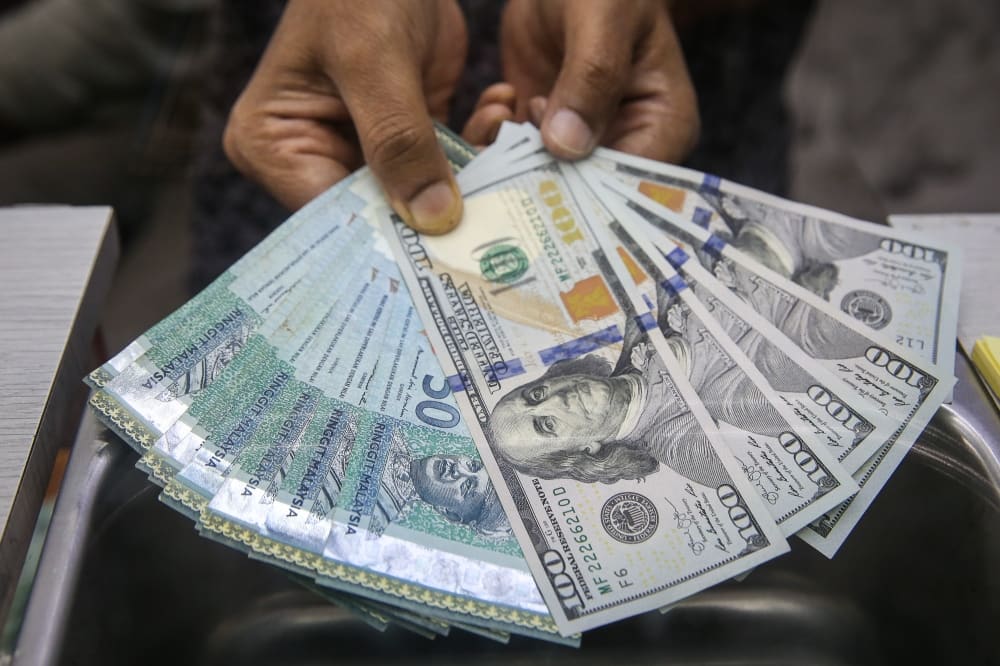
Malaysian Ringgit Holds Ground as Weak US Jobs Data Clouds Fed Path
Priyanka V. Rao · 2 min
Malaysian Equities Poised for Modest Gains Amid Domestic Resilience
Priyanka V. Rao · 3 min

Ringgit Holds Steady Against Dollar as Markets Await US Jobs Data
Cheng Wei-Lun · 2 min
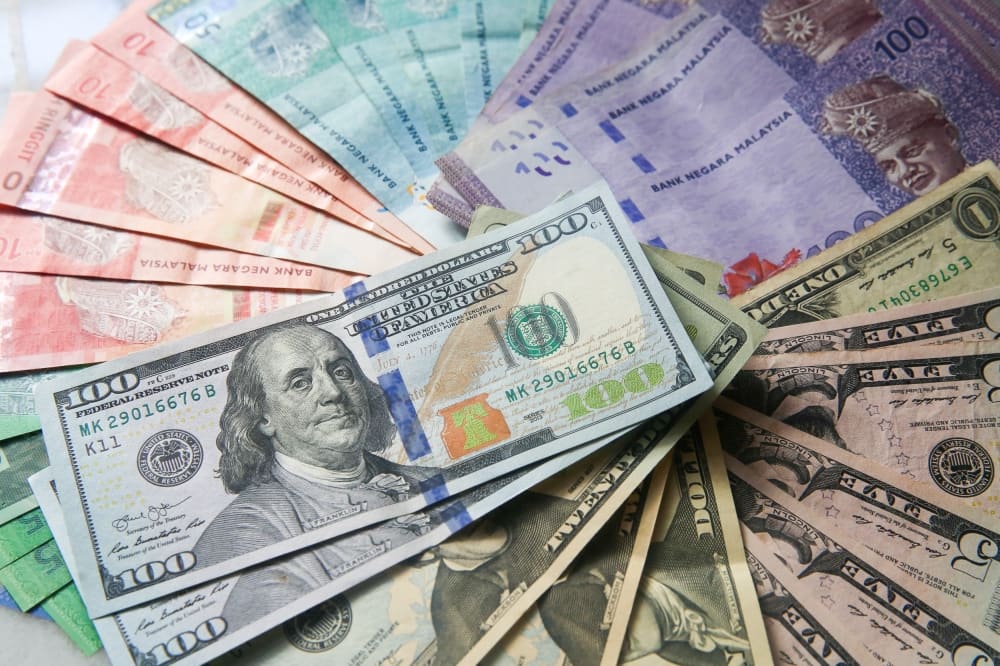
Malaysia's Ringgit Slips Against Dollar as US Manufacturing Data Boosts Greenback
Priyanka V. Rao · 5 min
Spot something wrong? Email editor@briefasia.com. We log every correction publicly.