Technology · Products
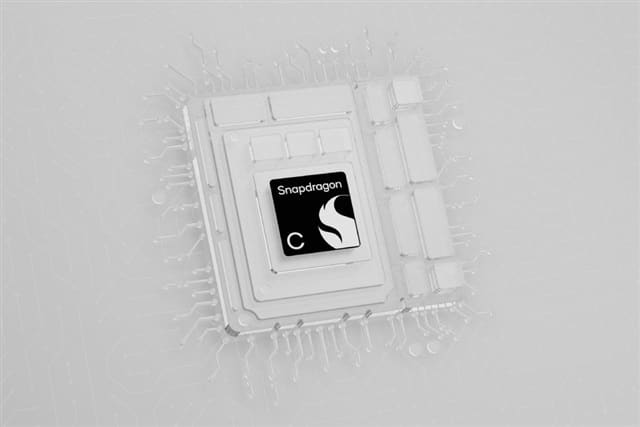
Qualcomm Launches Snapdragon C for NT$10,000 PC Segment
Four PC brands adopt entry-level platform as rising memory costs and Apple's budget MacBook squeeze Windows laptop margins
KEY TAKEAWAYS
- ·Qualcomm introduced the Snapdragon C platform for entry-level PCs around NT$10,000, with four brands already committed to adoption.
- ·The move addresses dual pressures from Apple's $599 MacBook Neo and rising DRAM and NAND costs that have squeezed Windows laptop margins.
- ·Success hinges on Windows on ARM software compatibility in a price segment where buyers are less tolerant of application or peripheral issues.
Pressure on Two Fronts
Qualcomm has unveiled the Snapdragon C platform designed specifically for entry-level PCs priced around NT$10,000 (roughly $310 USD), a move that addresses mounting challenges facing Windows laptop manufacturers. Four PC brands have already signed on to adopt the new chipset, according to Qualcomm.
The initiative responds to a pincer movement squeezing low-cost Windows devices: Apple's $599 MacBook Neo has redefined what consumers expect at the budget end of the market, while DRAM and NAND flash memory costs have climbed sharply over the past year. Together, these forces have compressed margins in a segment where profitability was already razor-thin.
The Snapdragon C platform represents Qualcomm's first deliberate push into the most price-sensitive tier of the PC market. While the company has gained traction in premium Windows devices with its Snapdragon X Elite and Plus chips, the entry-level space has remained largely the domain of Intel's Celeron and Pentium lines, along with AMD's Athlon processors.
Memory Costs Reshape the Market
Rising memory costs have hit budget laptop makers particularly hard. DRAM contract prices rose approximately 15 percent quarter-on-quarter in the first half of 2026, driven by tight supply and strong demand from AI server buildouts. NAND flash has followed a similar trajectory, with 128GB and 256GB configurations seeing double-digit price increases.
For manufacturers operating on single-digit percentage margins in the entry-level segment, these increases have forced difficult choices: absorb the costs and sacrifice profitability, raise prices and risk losing volume, or seek alternative component configurations that can deliver acceptable performance at lower bill-of-materials costs.
Qualcomm's Snapdragon C platform offers a third path. The chip integrates CPU, GPU, and memory controller functions in a way that Qualcomm says can reduce total system cost compared to traditional x86 configurations, particularly when paired with lower-cost LPDDR memory instead of standard DDR modules.
Apple Sets a New Baseline
The competitive pressure intensified when Apple introduced the MacBook Neo earlier this year at $599. The device, powered by an A-series chip derived from iPhone technology, delivers performance that compares favorably with Windows laptops priced $100 to $150 higher. Its battery life, build quality, and integration with Apple's ecosystem have reset consumer expectations for what a sub-$600 laptop should offer.
Windows PC makers have struggled to match that value proposition. Traditional x86 chips from Intel and AMD, while offering broad software compatibility, consume more power and generate more heat than ARM-based alternatives. This typically requires larger batteries, more robust cooling systems, and heavier chassis, all of which add cost.
Qualcomm's ARM-based architecture mirrors the approach that has given Apple its advantage. The Snapdragon C platform promises extended battery life and fanless operation in thin, light designs, capabilities that have been difficult to achieve in the NT$10,000 price band with x86 processors.
Four Brands, Different Strategies
The four PC brands adopting Snapdragon C have not been publicly named, but industry patterns suggest a mix of Taiwan-based ODMs selling under their own labels in Asia and global brands seeking to differentiate their entry-level lineups. Each likely sees different strategic value in the platform.
For brands strong in Asia-Pacific markets, particularly Southeast Asia and India, the NT$10,000 price point represents a high-volume segment where first-time PC buyers and education purchasers make decisions. Offering longer battery life and better thermal performance at that price could capture share from competitors still relying on aging x86 architectures.
For global brands, Snapdragon C provides a hedge against further margin erosion. If memory costs continue rising or if Apple extends the MacBook Neo line downward in price, having an ARM-based option in the portfolio gives product planners flexibility to respond without sacrificing profitability entirely.
Software Compatibility Remains the Test
The success of Snapdragon C will depend heavily on software compatibility. Windows on ARM has improved substantially since its rocky debut, with native ARM64 versions of Microsoft Office, Adobe Creative Cloud apps, and most major browsers now available. Emulation of x86 applications has also become faster and more reliable.
However, the entry-level segment includes many users who rely on older software, niche applications, or peripherals with drivers that may not support ARM. If early Snapdragon C devices encounter compatibility issues that generate negative reviews or high return rates, adoption could stall regardless of the hardware's cost advantages.
Qualcomm has been working with Microsoft and major software vendors to expand ARM support, but the long tail of Windows applications remains a challenge. The company's ability to deliver a seamless user experience at the NT$10,000 price point, where buyers are less tolerant of friction, will determine whether Snapdragon C becomes a volume platform or a niche offering.
The entry-level PC market has always been a volume game with thin margins. Qualcomm's bet is that ARM architecture, lower system costs, and better power efficiency can help PC brands defend that segment even as competition intensifies and component costs rise. The first Snapdragon C devices are expected to reach retail channels in the fourth quarter of 2026.
RELATED STORIES
Chip Supply Pressures Drive Intel Back to DDR4 as Samsung Advances 2nm Challenge
Cheng Wei-Lun · 4 min

Techman Unveils Heavy-Duty Dual-Arm Robot for AI Server Assembly
Cheng Wei-Lun · 3 min

Socionext Picks Intel 18A-P Node for Custom Compute Chiplets
Cheng Wei-Lun · 3 min
Gigabyte Lifts Capital Spending as AI Server Orders Drive Record First Half
Cheng Wei-Lun · 2 min
Spot something wrong? Email editor@briefasia.com. We log every correction publicly.