Technology · Dev
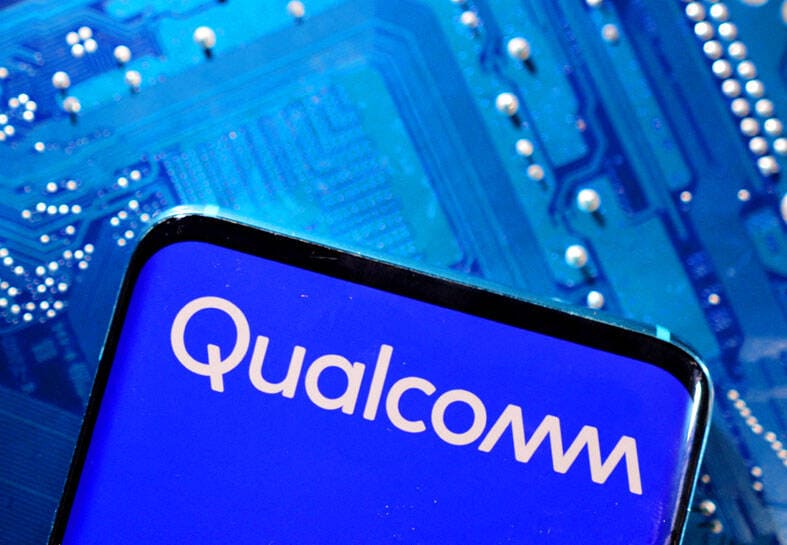
Qualcomm to Raise Chip Prices by Double Digits Starting September
The smartphone processor giant cites exhausted cost absorption capacity as global semiconductor shortages continue to constrain the industry
KEY TAKEAWAYS
- ·Qualcomm notified customers of double-digit price increases effective September 1 after exhausting its ability to absorb higher supplier costs.
- ·The move affects major smartphone makers including Samsung and Xiaomi, with shortages expected to persist into next year amid AI data center demand.
- ·TSMC capacity constraints have created industry-wide bottlenecks, with the foundry reportedly discussing its own 5 to 10 percent price hikes for 2027.
Price Surge Ahead
Qualcomm sent letters to customers Friday announcing price increases in the double-digit percentage range for products shipping after September 1. The San Diego-based company, which dominates the smartphone processor market, told clients it had exhausted its ability to absorb rising supplier costs and explored alternative component sources without success.
The announcement arrives as semiconductor shortages continue to grip the global technology sector. Production constraints affect everything from consumer smartphones to data center equipment and automotive electronics, with no immediate relief in sight.
Supply Chain Under Pressure
Qualcomm relies heavily on Taiwan Semiconductor Manufacturing Co for chip production, placing it at the center of a supply crunch affecting the entire electronics ecosystem. TSMC serves as the primary manufacturing partner for many of the world's largest chip designers, and capacity constraints at the Taiwanese foundry have created bottlenecks throughout the industry.
The company supplies processors to Samsung Electronics and major Chinese smartphone manufacturers including Xiaomi, while its chips also power wearable devices from Meta Platforms. Any price adjustments from Qualcomm will likely translate into higher costs across these product lines.
Memory chip shortages have already dragged down Qualcomm's sales this year, limiting smartphone manufacturers' ability to assemble complete devices. Industry analysts expect these supply constraints to persist into next year, keeping pressure on production volumes and pricing.
AI Demand Amplifies Shortage
The massive expansion of artificial intelligence data centers has intensified competition for semiconductor manufacturing capacity. While high-bandwidth memory and advanced logic chips face the most severe shortages, the surge in AI infrastructure spending has made even commodity components difficult to source.
Qualcomm joins Apple, Nvidia, and other leading semiconductor designers in competing for limited TSMC production slots. The Taiwanese manufacturer has acknowledged that shortages will continue despite efforts to expand capacity, leaving customers scrambling for allocation.
TSMC has become a critical chokepoint partly because potential alternatives have struggled to match its capabilities. Samsung and Intel both operate advanced foundries, but neither has convinced major customers that their facilities can deliver cutting-edge chips with the volume and quality that TSMC provides.
Regional Manufacturing Concentration
The situation underscores Asia's central role in global semiconductor supply chains. TSMC's dominance means that any disruption in Taiwan or capacity constraint at its facilities reverberates through the worldwide electronics industry.
Qualcomm's price increase reflects a broader pattern of cost pressures moving downstream from foundries to chip designers and eventually to device manufacturers and consumers. With TSMC reportedly in discussions about its own price hikes of 5 to 10 percent for next year, the current inflationary cycle in semiconductors shows little sign of abating.
The September 1 effective date gives Qualcomm's customers roughly five weeks to adjust procurement strategies and evaluate whether to absorb the higher costs or pass them along to end users. For smartphone makers already operating on thin margins, the decision will shape pricing strategies heading into the crucial year-end shopping season.
Industry observers will watch whether other chip suppliers follow Qualcomm's lead with their own price adjustments, potentially triggering a broader repricing across the semiconductor sector.
RELATED STORIES

Xiaomi Unveils 3nm Mobile Processor to Challenge Qualcomm and MediaTek
Cheng Wei-Lun · 3 min
Integrated Systems Will Drive Next Wave of AI Growth, Says TSMC
Cheng Wei-Lun · 4 min

Manila's Chip Industry Still Stalled in Assembly While Taipei Built Fabs
Priyanka V. Rao · 4 min

Taiwan Indicts Nvidia Manager in Chip-Smuggling Investigation
Cheng Wei-Lun · 4 min
Spot something wrong? Email editor@briefasia.com. We log every correction publicly.