Travel & Dining · Trends
Qantas Exits Jetstar Japan in $52 Million Stake Sale
The Australian carrier will sell its one-third stake back to the budget airline, clearing the way for full Japanese ownership and a rebrand by mid-2027.
KEY TAKEAWAYS
- ·Qantas Airways is selling its 33.32 percent stake in Jetstar Japan for 8.2 billion yen, or $52.11 million, with the deal expected to close by June 2027.
- ·The transaction will generate approximately A$115 million in non-underlying earnings for Qantas, primarily recognized in 2027, while allowing the carrier to refocus capital on Australian and international operations.
- ·Jetstar Japan will transition to full Japanese ownership and drop the Jetstar brand, with the Development Bank of Japan joining as a new shareholder alongside Japan Airlines and Tokyo Century.
The Deal Structure
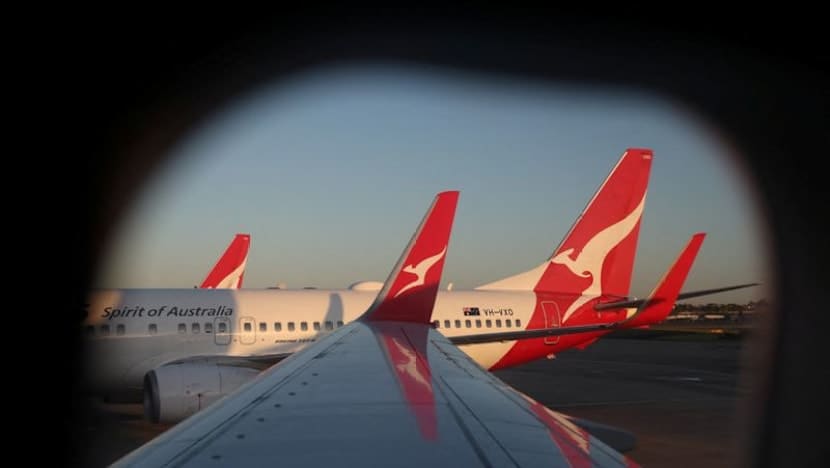
Qantas Airways is divesting its minority holding in Jetstar Japan through an 8.2 billion yen buyback transaction, the Australian carrier announced Tuesday. The budget airline will repurchase Qantas's 33.32 percent stake, while the Development Bank of Japan enters as a fresh investor.
Japan Airlines and Tokyo Century will maintain their existing positions in the carrier. The transaction, expected to close by June 2027, marks the end of Qantas's involvement in a venture it helped launch more than a decade ago alongside Japan Airlines and Mitsubishi Corp.
Strategic Shift for Both Carriers
The divestment allows Qantas to concentrate resources on its domestic Australian operations and international network. According to Qantas, the share buyback will generate approximately A$115 million in non-underlying earnings, with most of that gain recognized in 2027. The carrier will continue to book its share of Jetstar Japan's results until the deal completes.
For Jetstar Japan, the shift to full Japanese ownership opens the door to a complete rebrand. The airline will retire the Jetstar name as it works to carve out a stronger foothold in Japan's competitive low-cost carrier market. Operating from Narita Airport since late 2012, the carrier has spent more than a dozen years under the Jetstar banner, competing against domestic rivals including Peach Aviation and Spring Japan.
Capital Reallocation in Asia Pacific
Qantas's decision reflects a broader pattern of legacy carriers reassessing their stakes in Asian joint ventures. The Australian airline has prioritized its Jetstar network across Southeast Asia and the Pacific, where it operates wholly owned or majority-controlled subsidiaries in markets including Singapore, Vietnam, and New Zealand.
Redirecting capital from a minority position in Japan allows Qantas to invest in routes where it holds operational control and can capture a larger share of revenue. The carrier has expanded its direct flights between Australia and Tokyo in recent years, while Jetstar's Australian arm continues to serve leisure routes across the Asia Pacific.
Market Response and Timeline
Qantas shares climbed as much as 1.7 percent in early trading following the announcement, though gains moderated later in the session. Investors appear to view the exit as a prudent move that simplifies the airline's portfolio and unlocks capital for higher-return opportunities.
The transaction follows a non-binding memorandum of understanding disclosed in February 2026, signaling that negotiations had been underway for months. With regulatory approvals and final documentation still ahead, both parties are targeting mid-2027 for completion.
What Comes Next for Jetstar Japan
Once the buyback closes, Jetstar Japan will need to settle on a new brand identity and marketing strategy. Dropping a well-known low-cost brand carries risk, but full Japanese ownership may unlock partnerships, domestic slots, and financing arrangements that were harder to secure under foreign shareholding.
The Development Bank of Japan's entry suggests the airline will have access to patient capital as it navigates the rebrand. Japan's domestic aviation market has rebounded strongly since the pandemic, with leisure and business travel demand approaching pre-2020 levels.
Qantas, meanwhile, will book the final tranche of Jetstar Japan's earnings through the first half of 2027, providing a small tail of income even as it steps away. For an airline that has spent years managing a complex web of joint ventures and subsidiary brands, the exit simplifies both the balance sheet and strategic focus.
RELATED STORIES
Fujifilm Commits $83 Million to Semiconductor Materials Plant in India
Siti Nuraini · 3 min
Japan's August Exports Rise 19.3% on Semiconductor Demand
Aiko Nakamura · 3 min
China Imposes Anti-Dumping Measures on Japanese Semiconductor Chemical Imports
Jun-ho Seo · 3 min

Japan Wage Growth Hits 29-Year High, Reinforcing Central Bank Rate Path
Aiko Nakamura · 3 min
Spot something wrong? Email editor@briefasia.com. We log every correction publicly.