Asia · Story
Private Hospital Operator Embeds Staff in Queensland Public ER to Route Insured Patients
Ramsay Health Care's pilot program has transferred over 2,000 patients from public emergency departments to its facilities, raising questions about market fairness and patient pressure
KEY TAKEAWAYS
- ·Ramsay Health Care has stationed its own nurse inside Sunshine Coast University Hospital's public emergency department to identify and transfer privately insured patients to its three regional facilities, moving more than 2,000 patients in the first 12 months.
- ·Consumer advocates warn the program could lead to cherry-picking of simpler cases for private treatment while leaving the public system with complex patients, and want evaluation to assess whether patients feel pressured at a vulnerable time.
- ·Private health insurance does not cover emergency department visits that do not result in hospital admission, meaning transferred patients could face unexpected out-of-pocket fees if they are treated and discharged without being admitted.
Corporate Access to Public Triage
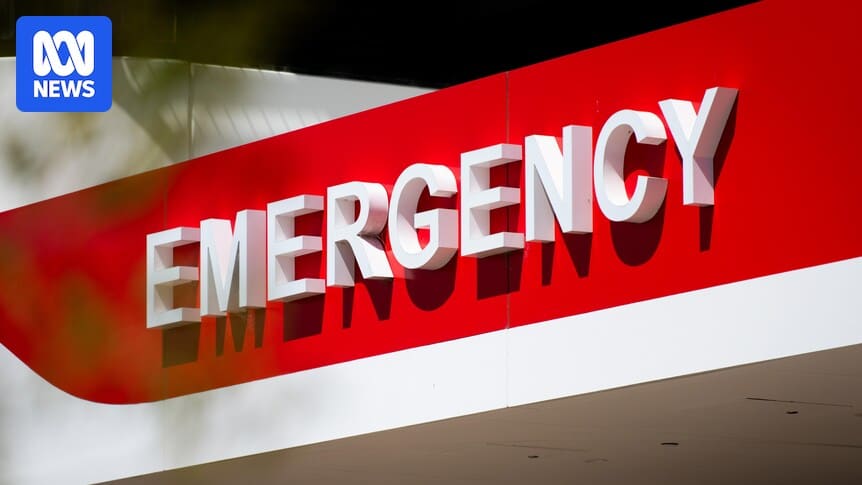
Ramsay Health Care has placed one of its own nurses inside the emergency department at Sunshine Coast University Hospital, a publicly run facility in Queensland, to facilitate the transfer of privately insured patients to Ramsay's nearby hospitals. The arrangement, which began in May 2025, has already moved more than 2,000 patients out of the public system in its first year.
The Emergency Department Nurse Liaison program allows the Ramsay-employed staffer to work directly within the public ED, identifying patients with private health insurance during triage and coordinating their transfer to one of three Ramsay hospitals in the region. Ramsay has confirmed it has established a similar role at Northern Private Hospital in Melbourne and is working to introduce the model at additional sites across Australia.
The company, which is publicly listed, reported a half-year net profit of $160.7 million. It has framed the initiative as a collaboration to ease pressure on overburdened emergency departments by redirecting insured patients to private facilities where capacity exists.
Worries About Pressure and Cherry-Picking
Health Consumers Queensland has raised concerns about the potential for patients to feel pressured at a vulnerable moment. Keith Tracey-Patte, chief executive of the advocacy group, said the organization wants any evaluation of the pilot to examine whether certain patient cohorts were more likely to be transferred than others.
"Our fundamental concern is making sure if there's an arrangement like this in any hospital, it must be done in a way where people are given an unpressured opportunity to choose," Tracey-Patte said. He warned that the program could lead to cherry-picking of high-volume, low-complexity cases for private treatment, leaving the public system to shoulder the burden of more difficult patients.
The advocacy group has also questioned how the model would function in metropolitan areas with multiple competing private hospitals. Tracey-Patte said he would be uncomfortable with a broader rollout before a full evaluation that includes assessment of whether one private provider is being favored over others.
Competitive and Clinical Implications
The trial has created tension among some public hospital surgeons who previously operated on privately insured patients within the public system. Those doctors have seen a portion of their private caseload redirected to Ramsay facilities.
Henry Cutler, director of the Health Economics Research Centre, said the arrangement is not inherently anti-competitive as long as other hospital operators had the same opportunity to place a nurse liaison in the public ED. He noted that patients should be informed they can receive free treatment in the public hospital, be treated as private patients within the public hospital, or transfer to any private facility, not just those operated by Ramsay.
Cutler said the income impact on most surgeons would likely be minimal, as their private-patient waiting lists in public hospitals are typically long enough that the program would simply reduce wait times rather than revenue. However, he warned of a potential feedback loop in which surgeons follow patients to private hospitals, spending less time on public cases and further lengthening public waiting lists.
The ABC has learned that Buderim Private Hospital, operated by UnitingCare and located near Sunshine Coast University Hospital, was offered the chance to participate in the program but declined. UnitingCare Queensland did not provide comment.
Insurance Gaps and Out-of-Pocket Risk
The Australian Medical Association Queensland has cautiously supported the concept, provided it is clinically sound and fully transparent. Erica Gannon, president of the organization, emphasized that emergency departments are under severe pressure due to chronic staff shortages.
Gannon highlighted a significant coverage gap that patients should understand before agreeing to transfer. Private health insurance does not cover treatment solely in a private hospital emergency department if the patient is not subsequently admitted. Patients who are assessed, treated, and discharged from a private ED without admission may face unexpected out-of-pocket fees.
"Patients who do not end up admitted into private hospital may face out-of-pocket fees for the service, which may be why they are attending public hospitals in the first place," Gannon said. She stressed that patients must be made aware of this possibility before deciding to transfer.
Official Response
Ramsay Health Care said in a statement that the program is an example of public and private sectors working together to improve patient outcomes and relieve pressure on emergency departments. The company said patients are only transferred when clinically appropriate and with patient consent, and that transfers have included medical, cardiac, and surgical cases.
Sunshine Coast Health said patients are asked during triage if they hold private health insurance and whether they would like private care. If they agree, the Ramsay nurse facilitates the transfer after consultation with clinical staff. The health service said the streamlined process, previously managed by its own clinicians, has improved efficiency and flow across its three emergency departments, with positive effects for all patients.
The pilot raises broader questions about the boundary between public and private health systems in Australia, particularly as emergency departments face mounting demand and private operators seek new avenues for growth. Whether the model will be adopted more widely depends on the outcomes of the evaluation and whether safeguards can address concerns about patient autonomy and competitive fairness.
RELATED STORIES

Australia's Job Market Cools as Vacancies Fall and Unemployment Creeps Higher
Priyanka V. Rao · 4 min

Hong Kong Adopts Five-Year Planning Model to Deepen Integration With Mainland Economy
Cheng Wei-Lun · 5 min
Hong Kong Seeks $4.6 Billion Lifeline for Struggling Postal Service
Cheng Wei-Lun · 3 min
Hong Kong Reverses Cap on Elderly Transport Subsidy After Public Pushback
Cheng Wei-Lun · 3 min
Spot something wrong? Email editor@briefasia.com. We log every correction publicly.