Asia · Politics
Hong Kong Reverses Cap on Elderly Transport Subsidy After Public Pushback
Government abandons monthly limit on HK$2 fare scheme as costs rise to billions annually, restoring unlimited travel for 2.7 million eligible riders
KEY TAKEAWAYS
- ·Hong Kong has reversed plans to cap monthly trips under its HK$2 concessionary transport fare scheme, which currently serves 2.7 million elderly and disabled residents.
- ·The scheme costs the government billions annually as the eligible population grows, prompting officials to seek cost controls without raising the age threshold.
- ·Authorities now face limited options to manage rising subsidy costs after public backlash forced the policy reversal.
Policy Reversal Under Pressure
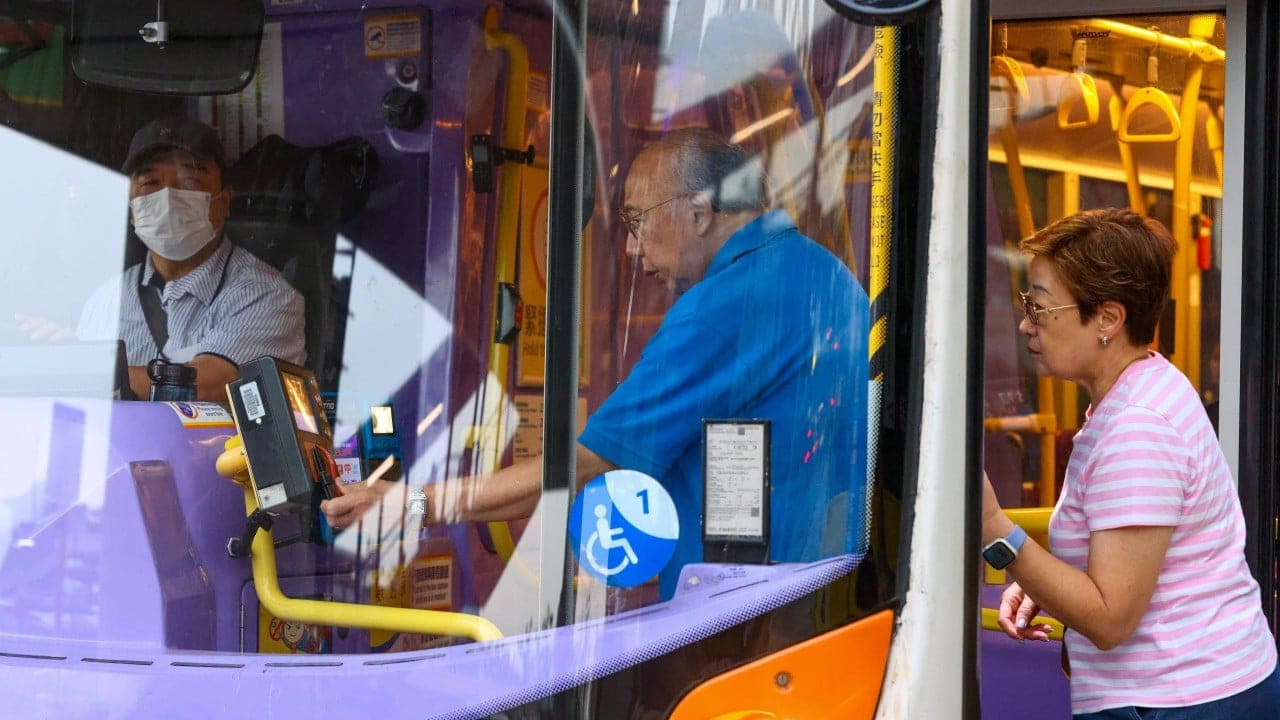
Hong Kong authorities have abandoned plans to impose a monthly cap on the city's HK$2 concessionary transport fare scheme, reversing course on a cost-control measure that drew immediate criticism from advocacy groups and passengers. The scheme, which allows elderly and disabled residents to travel on public transport for just HK$2 per trip, currently serves 2.7 million people and costs the government billions of dollars annually.
The government had proposed capping the number of subsidised trips each beneficiary could take per month, a move designed to curb escalating expenditure without raising the age threshold for eligibility. Officials opted against restoring the previous age requirement of 65, which had been lowered in recent years as part of efforts to support an ageing population.
Growing Fiscal Pressure
The concessionary fare programme has become one of Hong Kong's most expensive social welfare initiatives. With the pool of eligible users expanding as the city's demographic profile shifts, the subsidy bill has climbed steadily. The government pays the difference between the HK$2 fare and the standard ticket price for each journey, a gap that widens on longer routes and premium services.
Transport operators receive compensation from public funds to offset the revenue shortfall created by the discounted fares. As more residents become eligible and usage patterns intensify, the fiscal burden on the Treasury has prompted officials to explore cost-containment strategies that avoid politically sensitive changes to eligibility criteria.
Balancing Access and Affordability
The proposed monthly cap would have limited the number of subsidised trips available to each cardholder, forcing beneficiaries to pay full fares once they exceeded the threshold. Proponents argued the measure would encourage more efficient use of public transport and prevent abuse, while critics warned it would disproportionately affect lower-income seniors and disabled residents who rely on the scheme for daily mobility.
Disability rights organisations and elderly advocacy groups mobilised quickly against the plan, arguing that capping trips would undermine the scheme's original purpose of ensuring equitable access to transport. The backlash highlighted the difficulty of reforming popular social programmes in a city where cost-of-living concerns remain acute and public sentiment favours preserving benefits.
Policy Options Narrowing
With the cap now off the table, the government faces limited options for managing the subsidy's growth trajectory. Raising the eligibility age would expand fiscal breathing room but risks alienating a large voter bloc and contradicting recent policy signals promoting active ageing. Increasing the HK$2 fare itself would dilute the scheme's appeal and generate similar political resistance.
Some transport analysts have suggested means-testing as an alternative, directing subsidies only to those who demonstrate financial need. However, such an approach would require new administrative infrastructure and could stigmatise beneficiaries, complicating implementation.
Regional Context
Hong Kong is not alone in grappling with the costs of universal elderly transport concessions. Singapore operates a similar scheme with lower subsidies tied to specific off-peak hours, while Taipei offers discounted fares calibrated by distance rather than a flat rate. Japan's regional governments provide various transport vouchers and discounts, though eligibility and generosity vary widely by municipality.
The debate in Hong Kong reflects broader tensions across Asia's developed cities, where ageing populations and generous social commitments collide with fiscal constraints. Policymakers must navigate public expectations shaped by decades of expanding welfare provision, even as demographic realities strain budgets.
What Comes Next
The government has indicated it will continue reviewing the scheme's sustainability, though no concrete alternatives have been announced. Transport officials are exploring data analytics to better understand usage patterns and identify potential efficiencies without imposing hard limits on beneficiaries.
Meanwhile, the subsidy bill is expected to continue rising in line with population ageing and inflation in transport operating costs. The reversal on the monthly cap underscores the political difficulty of rolling back entitlements once established, leaving authorities to search for solutions that balance fiscal prudence with social equity.
RELATED STORIES

Crude Surges Past $90 as Hormuz Talks Stall
Cheng Wei-Lun · 3 min

Cathay Pacific Cargo Reports 9% Tonnage Growth in First Half
Cheng Wei-Lun · 3 min

Hong Kong Regulator Steps Up Scrutiny of Concentrated Shareholdings
Cheng Wei-Lun · 3 min

Asian Central Banks Drive Gold Demand as Hong Kong Eyes Trading Hub Role
Cheng Wei-Lun · 3 min
Spot something wrong? Email editor@briefasia.com. We log every correction publicly.