Technology · Dev
Powertech to Begin AMD AI Chip Production by Mid-2027
Taiwan's packaging specialist targets June launch for panel-level technology, posts strongest quarterly profit in over two years on AI memory demand
KEY TAKEAWAYS
- ·Powertech Technology will begin mass production of AI chips for AMD using fanout panel-level packaging by June 2027, with equipment qualification currently underway at its Taiwan facility.
- ·The company reported second-quarter net profit of NT$2.85 billion, up 123.5 percent year-over-year, driven by strong demand for AI-related memory packaging services and improved factory utilization.
- ·Powertech's panel-level technology can package 45 AI chips per panel compared to 8 to 9 chips using conventional wafer-based methods, providing significant cost advantages for high-volume production.
Production Timeline on Track
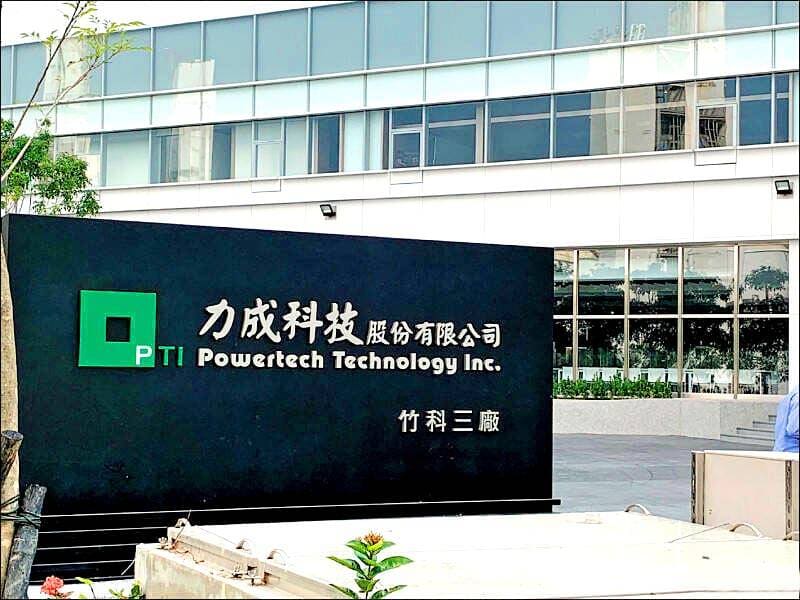
Powertech Technology, a Taiwan-based provider of semiconductor packaging and testing services, confirmed it will begin mass production of AI chips using advanced panel-level packaging (PLP) technology for AMD by June 2027. The company addressed industry speculation about potential delays, stating that equipment installation at its facility has proceeded on schedule.
According to Powertech, all necessary equipment has been moved into the production facility and is currently undergoing qualification processes. The timeline aligns with AMD's manufacturing plans, positioning the Taiwan firm to become the first company globally to deploy fanout PLP technology for large-scale AI applications.
Chairman Tsai Du-kung emphasized the company has successfully navigated typical production challenges, including equipment delivery coordination, installation logistics, and product qualification stages. The fanout PLP approach differs from conventional chip-on-wafer-on-substrate methods by offering better cost efficiency for high-volume manufacturing.
Technical Advantage in Packaging Density
Powertech's fanout PLP technology can package up to 45 AI chips per panel, a significant increase compared to the 8 to 9 chips achievable through traditional wafer-based packaging methods, according to Tsai. This density advantage translates directly into manufacturing economics for clients producing AI accelerators and other compute-intensive processors.
The company began developing fanout PLP technology in 2015, creating a substantial lead time over potential competitors. Tsai noted that any new entrant attempting to replicate the technology would require at least three years to reach commercial viability, providing Powertech with a protected market window.
AMD represents one of the first major customers adopting the panel-level approach for AI chip production. The technology's cost structure becomes particularly attractive as chip sizes increase and traditional packaging methods face physical and economic constraints.
Strong Financial Performance Driven by AI Demand
Powertech reported second-quarter net profit of NT$2.85 billion (US$88 million), marking the company's strongest quarterly performance in more than two years. The figure represents a 19.4 percent increase from NT$2.39 billion in the first quarter and a 123.5 percent jump from NT$1.28 billion in the same period last year, according to the company.
Earnings per share climbed to NT$3, up from NT$2.5 in the prior quarter and NT$1.3 in the second quarter of the previous year. The financial growth reflects robust demand for AI-related memory packaging and testing services across the semiconductor supply chain.
Revenue for the second quarter reached NT$23.12 billion, and CEO Boris Hsieh projected double-digit sequential growth for the current quarter, with further increases expected in the fourth quarter. The company anticipates total revenue will surpass its previous record of NT$83.9 billion set in 2022.
Gross margin improved to 21.8 percent in the second quarter, the highest level in approximately four years. Hsieh attributed the margin expansion to increased customer demand, higher factory utilization rates, and selective price adjustments. The company expects gross margin to continue improving in the third quarter.
Expansion into Optical Communications
Beyond its core packaging business, Powertech announced plans to enter the optical communications sector through a US$400 million joint venture with Broadcom in Singapore. The partnership, unveiled in mid-July, will focus on advanced panel-based packaging services for optical components.
The joint venture positions Powertech to offer co-packaged optics technology, an emerging approach that integrates optical transceivers directly with switching silicon to reduce latency and power consumption in data center networks. Tsai stated the company will begin shipping optical engines integrated with switches by mid-2027.
By 2028, Powertech plans to integrate optical engines directly with AI chips, addressing the growing bandwidth demands of large-scale AI training and inference clusters. The move reflects broader industry trends toward co-packaged optics as data rates exceed the capabilities of traditional pluggable optical modules.
Powertech maintained its capital expenditure guidance of NT$50 billion for the year, with the Singapore joint venture structured as a separate investment vehicle. The company continues to expand capacity at its Taiwan facilities while pursuing strategic partnerships to access new market segments in the AI and optical networking space.
RELATED STORIES
Hon Hai Posts Record August Revenue on AI Server Demand
Jun-ho Seo · 3 min
Integrated Systems Will Drive Next Wave of AI Growth, Says TSMC
Cheng Wei-Lun · 4 min
Taiwan Indicts Nvidia Manager in Chip-Smuggling Investigation
Cheng Wei-Lun · 4 min
Taiwan's Neousys Bets on Edge AI Expansion Across Defense and Manufacturing
Cheng Wei-Lun · 3 min
Spot something wrong? Email editor@briefasia.com. We log every correction publicly.