Asia · Politics
Philippines Targets 200 Power Plants by 2028 to Cut Highest Electricity Rates in Southeast Asia
Manila accelerates generation pipeline as Visayas grid strains under yellow and red alerts, pushing average rates to P12.43 per kilowatt-hour
KEY TAKEAWAYS
- ·The Philippines plans to commission 200 power plants by 2028, targeting chronic supply shortages that have driven electricity rates to P12.43 per kilowatt-hour, the highest in Southeast Asia.
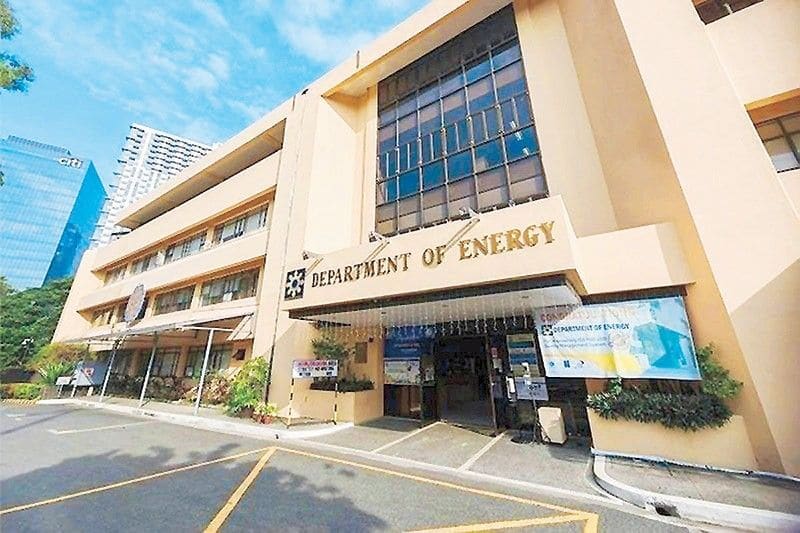
- ·The Visayas grid has operated under yellow and red alert conditions since May 12, prompting the Department of Energy to negotiate deployment of 200 megawatts of battery energy storage systems as a temporary measure.
- ·Peak electricity demand is projected to triple to 68.5 gigawatts by 2050 from 16.6 gigawatts in 2022, requiring sustained investment in generation, transmission, and distribution infrastructure.
Race Against the Clock
The Philippines is moving to commission 200 power plants before President Marcos leaves office in 2028, a timeline that Energy Secretary Sharon Garin acknowledges is ambitious but necessary. The archipelago now carries the unwelcome distinction of having the highest electricity rates in Southeast Asia, a burden that weighs on both households and industrial competitiveness.
Average electricity costs reached P12.43 per kilowatt-hour last month, according to Energy Undersecretary Rowena Cristina Guevara. That figure edges out Singapore by P0.093 per kWh, a narrow margin that nonetheless marks a symbolic threshold for an economy still playing catch-up in manufacturing and export infrastructure.
The generation pipeline includes both conventional thermal plants and renewable projects, reflecting the dual pressures of immediate capacity needs and longer-term decarbonization commitments. Garin emphasized that power infrastructure cannot be rushed. Large-scale plants require years of permitting, financing, construction, and grid integration, a reality that has left successive administrations scrambling to close supply gaps opened by underinvestment a decade earlier.
Visayas Under Pressure
The urgency is most visible in the Visayas grid, which has operated under yellow and red alert conditions since May 12. Yellow alerts signal thin reserve margins; red alerts mean rotating outages. The strain stems from high demand colliding with limited available capacity, a recurring pattern during the summer months when air conditioning loads spike and hydroelectric output dips.
As a stopgap, the Department of Energy is negotiating with generation companies to deploy 200 megawatts of battery energy storage systems across the Visayas. These installations store surplus power during off-peak hours and release it when demand surges, smoothing volatility and reducing the likelihood of blackouts. The technology has gained traction in island grids worldwide, where interconnection options are limited and diesel gensets expensive to run.
Garin described the BESS rollout as a bridge measure while the 2028 generation projects advance. Mindoro, Palawan, and the broader Visayas grid are priorities in an energy master plan still under development. The plan aims to address structural weaknesses that have plagued these regions for years, including inadequate transmission links and a generation mix skewed toward aging oil-fired plants.
Demand Trajectory
Peak electricity demand is forecast to triple to 68.5 gigawatts by 2050, up from 16.6 GW in 2022, according to the Philippine Energy Plan. That trajectory reflects expectations of sustained GDP growth, urbanization, and the expansion of energy-intensive industries such as data centers and semiconductor assembly. Meeting that demand will require not only new generation but also transmission upgrades and distribution network reinforcement, areas where investment has lagged.
The 200-plant target announced by Marcos in last year's State of the Nation Address is intended to address near-term shortfalls while building a foundation for the next two decades. However, the timeline is tight. Projects initiated today will need to navigate environmental impact assessments, secure power purchase agreements, arrange financing, and complete construction within a 24-month window, assuming no delays.
Consumer Backlash
The Power for People Coalition, a consumer advocacy group, has criticized the Marcos administration for allowing energy companies to pass volatile charges directly to consumers without adequate oversight. The group has indicated it may pursue legal action against the Department of Energy and the Energy Regulatory Commission, arguing that regulatory capture has insulated generators and distributors from competitive pressure.
Electricity pricing in the Philippines is a layered issue. Generation charges, transmission fees, distribution costs, taxes, and system loss charges all feed into the final bill. Volatility in global fuel markets, particularly for liquefied natural gas and coal, flows through to consumers with minimal buffering. The absence of a deep spot market or long-term hedging mechanisms leaves utilities exposed, and they typically pass that exposure downstream.
Regional Context
The Philippines is not alone in grappling with power sector challenges, but its combination of high costs, frequent outages, and slow capacity additions stands out in the region. Vietnam has added gigawatts of solar and wind capacity in recent years, though grid integration issues persist. Indonesia is rolling out coal-fired plants alongside geothermal and hydroelectric projects, leveraging its resource base. Thailand has maintained relative grid stability through a diversified mix and regional interconnections via the ASEAN Power Grid.
For Manila, the stakes extend beyond consumer comfort. High electricity costs erode the competitiveness of Philippine exports, particularly in sectors such as electronics manufacturing where energy is a significant input. Investors weighing site selection for new factories routinely cite power reliability and cost as top-tier concerns, alongside labor availability and logistics.
The 200-plant commitment is a signal that the administration recognizes the urgency. Whether the pipeline can be delivered on schedule will depend on regulatory efficiency, access to capital, and the ability to sequence projects so that grid infrastructure keeps pace with generation additions. The next two years will test whether that ambition translates into megawatts on the grid.
RELATED STORIES

Philippines Energy Budget Climbs 26% as Electric Vehicle Funding Surges
Priyanka V. Rao · 3 min
Philippine Nickel Miners Push for Unified Policy Framework as Critical Minerals Race Intensifies
Priyanka V. Rao · 3 min

Philippine Water Operator Earmarks $400 Million for Southeast Asia Expansion
Mariel D. Santos · 2 min
Philippine Manufacturing Expands at Fastest Pace Since 2016
Priyanka V. Rao · 3 min
Spot something wrong? Email editor@briefasia.com. We log every correction publicly.