Asia · Politics
Philippines Raises Fuel Subsidy for Public Transport Drivers to P12 Per Liter
The Cabinet-approved increase aims to provide up to P1,800 weekly relief, though driver groups say only fare hikes can offset sustained oil price volatility.
KEY TAKEAWAYS
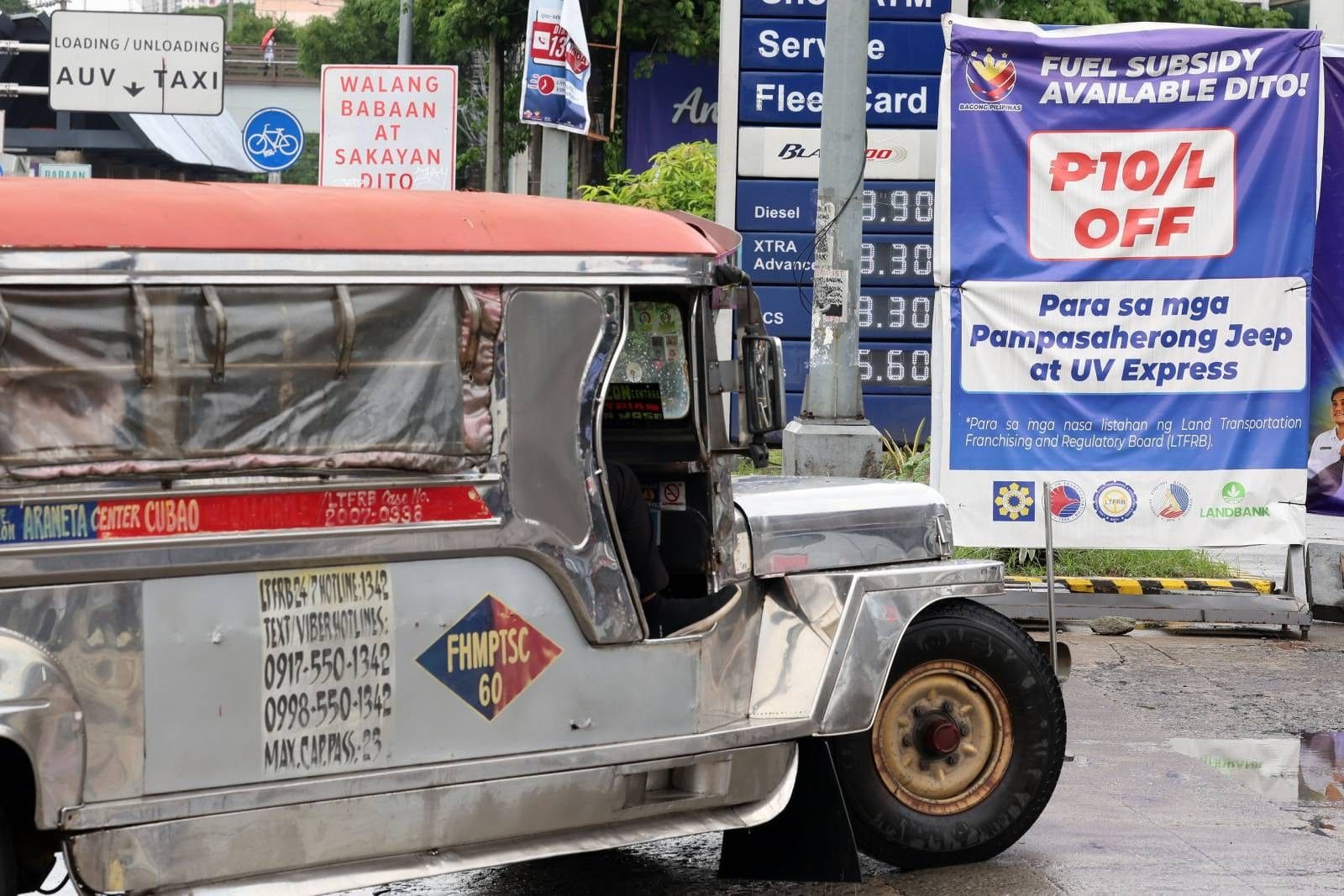
- ·The Philippine government will increase the fuel discount for jeepney and UV Express drivers to P12 per liter starting August 15, up from P10 per liter in April, potentially saving drivers up to P1,800 weekly.
- ·More than 93,000 public utility vehicle drivers have already benefited from the initial P10 discount, though the new rate adds fiscal pressure amid tight revenue collection.
- ·Transport federation MANIBELA accepted the subsidy increase but emphasized that only a minimum fare adjustment can provide immediate, predictable income relief without administrative friction at fuel stations.
Cabinet Approves Subsidy Increase
The Philippine government will raise the fuel discount for public utility jeepney and UV Express drivers to P12 per liter starting August 15, according to an announcement from the Office of the Executive Secretary on August 5. The decision was reached during a Cabinet meeting chaired by Executive Secretary Ralph Recto at Malacañang one day earlier.
The new subsidy level represents a 20 percent increase from the P10 per liter discount that took effect in April. That initial program has already reached more than 93,000 public utility vehicle drivers across the archipelago, the office said. Under the expanded scheme, eligible drivers can save as much as P1,800 per week, based on government estimates.
The move comes as local pump prices remain elevated despite minor rollbacks in early August, following two consecutive weeks of sharp increases tied to renewed geopolitical tensions in West Asia. Diesel and gasoline costs have climbed steadily since mid-year, squeezing margins for operators who have not seen fare adjustments in more than two years.
Transport Groups Press for Fare Hike
MANIBELA, one of the country's largest transport federations, welcomed the additional discount but underscored that it does not address the core issue facing drivers. In a statement released the same day, the group said the subsidy should not be used as justification to deny fare increases.
The federation argued that only a minimum fare adjustment can provide immediate, predictable income gains without requiring drivers to negotiate discount claims at fuel stations. MANIBELA has been calling for a fare hike for several quarters, citing the cumulative impact of inflation, rising fuel costs, and stagnant revenue per trip.
"The fuel discount helps ease the burden, but it is not sufficient and cannot substitute for a fair fare increase," the group said. It pointed out that direct fare adjustments add to daily earnings instantly, whereas subsidy programs depend on implementation at retail level and may involve administrative friction.
Subsidy Mechanics and Coverage
The fuel discount program is administered through accredited fuel retailers and requires participating drivers to present valid identification and vehicle registration. The scheme is funded through the national budget and is part of a broader package of social mitigation measures introduced in response to oil price shocks earlier this year.
Public utility jeepneys and UV Express vans, which serve as primary modes of mass transport in Metro Manila and provincial centers, are the main beneficiaries. Traditional jeepneys, often decades old and fuel-inefficient, are particularly vulnerable to cost swings. Many operators run on thin margins and rely on daily boundary payments from drivers, leaving little room to absorb price volatility.
The government has so far resisted calls for fare adjustments, citing concerns over inflation and the impact on commuter purchasing power. Fare levels for jeepneys have remained largely unchanged since the last approved increase in late 2023, even as diesel prices have climbed by double digits in percentage terms over the same period.
Regional Pressure Points
The Philippines is not alone in Southeast Asia in grappling with transport sector pressures. Governments in Indonesia, Thailand, and Malaysia have also deployed fuel subsidies, price caps, or direct cash transfers to shield low-income workers from energy price shocks. However, the region's reliance on imported crude leaves it exposed to supply disruptions and exchange rate movements.
Manila's fiscal position has tightened in recent quarters, with revenue collection lagging expenditure commitments. The fuel subsidy extension adds to the government's near-term obligations, though officials have framed it as a temporary relief measure rather than a structural reform.
Transport advocates argue that without fare indexation or a mechanism to adjust fares in line with fuel costs, the subsidy approach merely delays the inevitable reckoning. They point to the experience of previous administrations, where subsidy programs were rolled back once budget constraints emerged, leaving drivers to absorb the full cost again.
What Comes Next
The August 15 implementation date gives the Department of Transportation and fuel retailers less than two weeks to finalize logistics and ensure system readiness. The Office of the Executive Secretary has not disclosed the total budgetary allocation for the expanded subsidy or how long the P12 rate will remain in effect.
MANIBELA and other transport groups have indicated they will continue to press for fare adjustments through formal petitions to the Land Transportation Franchising and Regulatory Board. The agency has historically taken a cautious approach to fare hikes, balancing operator viability against affordability for millions of daily commuters.
For now, the subsidy increase offers a measure of relief, but the underlying tension between static fares and volatile costs remains unresolved. How the government manages that balance will shape both the livelihoods of drivers and the accessibility of public transport in the months ahead.
RELATED STORIES
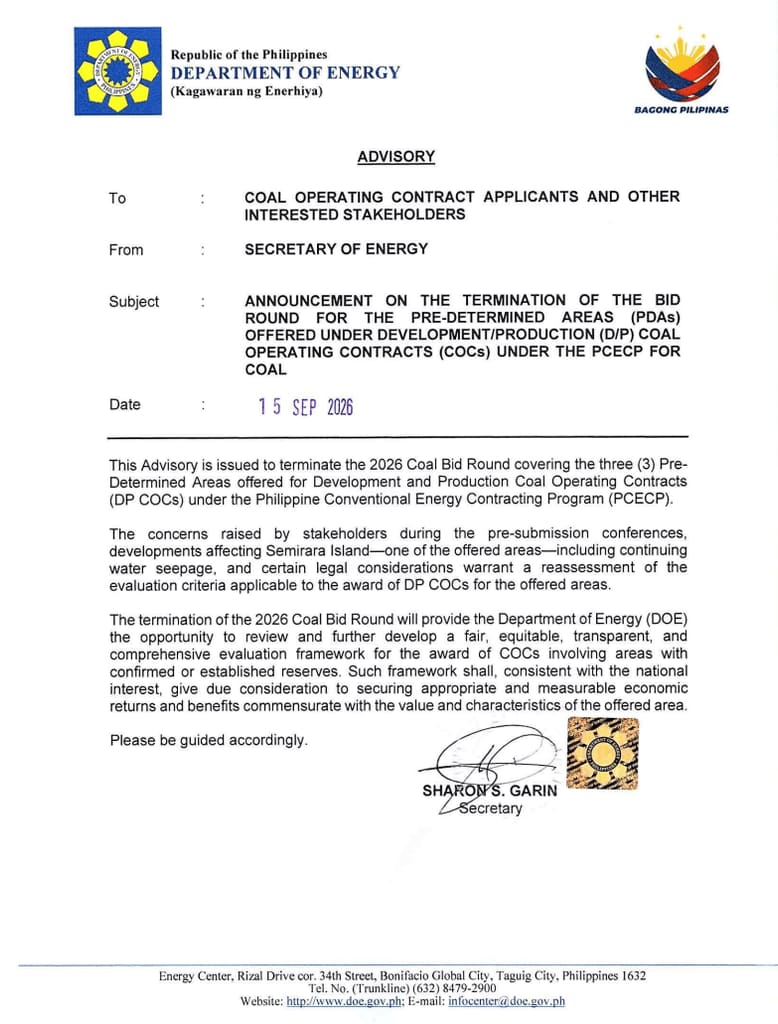
Philippines Cancels Coal Tender for Key Mining Site Months Before Operator Handover
Mariel D. Santos · 4 min
Filipino Workers Abroad Send Home $3.6 Billion in July
Mariel D. Santos · 3 min
Five ASEAN Members Back Regional Oil Stockpile as Study Nears Completion
Tran Quoc Bao · 3 min
Asialink Finance Targets $480M in Medium-Enterprise Lending by Year-End
Mariel D. Santos · 3 min
Spot something wrong? Email editor@briefasia.com. We log every correction publicly.