Finance · Fintech
Asialink Finance Targets $480M in Medium-Enterprise Lending by Year-End
Philippine non-bank lender launches GrowBiz programme offering up to ₱100 million per borrower as mid-sized firms outgrow smaller credit facilities
KEY TAKEAWAYS
- ·Asialink Finance aims to disburse ₱28 billion under its new GrowBiz Loan by December 2026, lifting single-borrower limits to ₱100 million over seven-year terms.
- ·The Manila-based non-bank reported a ₱26 billion loan book as of July, with business and MSME credits comprising 54 per cent of outstanding balances.
- ·The programme targets medium enterprises that face lengthy approval processes at traditional banks, offering asset-backed facilities with faster turnaround times.
Fivefold Jump in Single-Borrower Limits
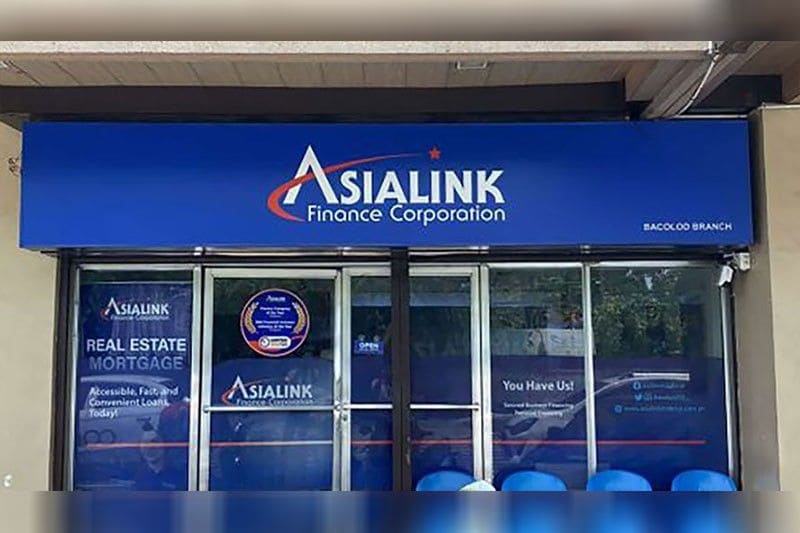
Asialink Finance Corp. has set a ₱28 billion (approximately $480 million) disbursement target for its newly launched GrowBiz Loan programme, aiming to close the year with substantial exposure to medium-sized enterprises that have outgrown the lender's existing product suite.
The programme lifts the maximum facility size to ₱100 million per borrower, a fivefold increase from the ₱20 million cap under Asialink's current real-estate-backed mortgage loan. Repayment tenors stretch to seven years, up from five, and the funds can finance branch openings, equipment acquisition, inventory build-up and working capital.
Asialink president and chief executive Anna Katrina Bañez said medium enterprises occupy a "pivotal stage" in their growth trajectory. "They have the ambition, track record and opportunities to scale, but realising that potential often requires financing that can move at the pace of their business," she noted.
Portfolio Composition and Growth
The Manila-based non-bank financial institution reported a total loan book of roughly ₱26 billion as of July, up 23 per cent year on year. Business loans and credits extended to micro, small and medium enterprises accounted for 54 per cent of outstanding balances, equivalent to about ₱14 billion.
GrowBiz financing is restricted to commercial purposes. Acceptable collateral includes real estate or fleets of vehicles, allowing borrowers to unlock the value of existing assets. Final loan amounts, interest rates and repayment schedules will depend on each applicant's funding requirements, operational capacity and credit history, according to the company.
Bridging the Gap Between MSME Credit and Bank Finance
Asialink positions the product as a bridge for established businesses that encounter lengthy approval processes and stringent documentation when approaching banks for expansion capital. The lender said it will work directly with business owners to assess operations, capital needs and longer-term plans as it underwrites larger tickets.
The company is also targeting ₱2 billion in net income for 2026 as it broadens its commercial lending operations.
Market Context
Non-bank lenders in the Philippines have carved out a growing niche in the mid-market segment, where traditional banks often require multi-year financial statements, audited accounts and board resolutions that younger or family-run enterprises struggle to produce quickly. Turnaround times at non-banks can run weeks rather than months, though interest rates typically sit above those of universal and commercial banks.
The GrowBiz launch coincides with a broader push among Philippine financial institutions to deepen credit penetration in the MSME sector, which accounts for more than 99 per cent of registered businesses in the country yet remains underserved relative to larger corporates. Government data show MSME credit as a share of total bank lending has hovered in the low-to-mid twenties in recent years, prompting both policy support and private-sector innovation in alternative finance structures.
Asialink's move to raise single-borrower limits signals confidence in the credit quality of mid-sized firms and reflects rising demand for flexible, asset-backed facilities that can be deployed quickly. The seven-year tenor also aligns repayment schedules more closely with the payback periods of capital expenditure projects, reducing refinancing risk for borrowers.
Whether the ₱28 billion target proves achievable will depend on credit appetite, underwriting speed and the broader macroeconomic environment. The lender's July portfolio growth suggests demand remains robust, though rising interest rates and tighter liquidity conditions across Southeast Asia may temper borrowing activity in the final quarter of the year.
RELATED STORIES

Mynt Secures Approval for $1.4 Billion Manila IPO
Anand Sundaram · 3 min
Alternergy Debuts in Philippine Debt Market with ₱2 Billion Notes Offering
Mariel D. Santos · 2 min

Manila Bourse Slides as Investors Reserve Cash for GCash IPO
Rajesh K. Iyer · 3 min

Philippines Central Bank Uses AI and Job Boards to Track Unemployment in Real Time
Priyanka V. Rao · 4 min
Spot something wrong? Email editor@briefasia.com. We log every correction publicly.