Finance · Banking
Philippines Plans Two-Year Return of $1.9 Billion PDIC Reserve
Government commits to restoring deposit insurance funds through 2028, but places initial tranche in standby budget category
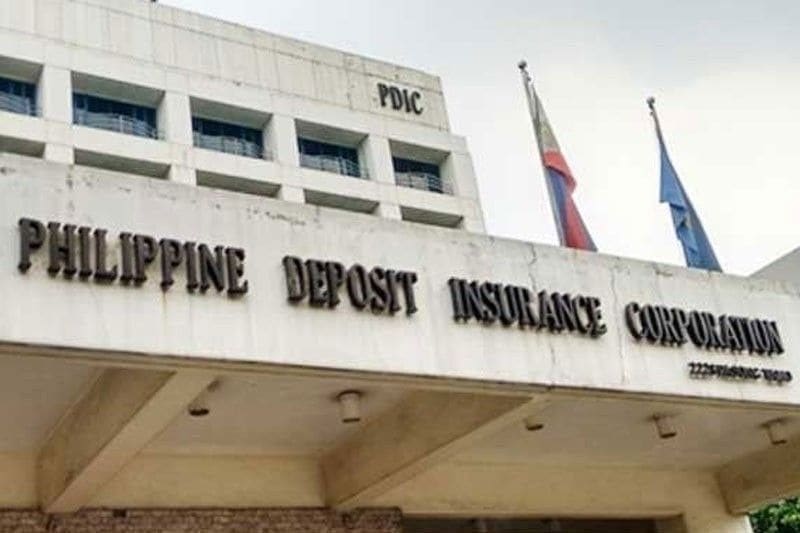
KEY TAKEAWAYS
- ·The Philippine government will restore 107.23 billion pesos to PDIC over two years, with 57 billion pesos allocated in 2027 and 50.23 billion in 2028.
- ·The initial tranche is placed under unprogrammed appropriations, requiring specific revenue triggers before release rather than automatic funding.
- ·The 57-billion-peso allocation represents 51 percent of total unprogrammed appropriations for 2027, the lowest such ratio since 1991 at 1.6 percent of the budget.
The Repayment Plan
The Philippine government has committed to returning 107.23 billion pesos ($1.9 billion) to the Philippine Deposit Insurance Corp. over the next two years, beginning with 57 billion pesos allocated in the proposed 2027 national budget. Executive Secretary Ralph Recto confirmed the two-tranche structure, with the remaining 50.23 billion pesos scheduled for inclusion in the 2028 National Expenditure Program.
The funds in question were remitted by PDIC to the Bureau of the Treasury in January 2025, following a congressional mandate under the 2024 General Appropriations Act and a legal opinion from the Office of the Government Corporate Counsel. The withdrawal represented a significant portion of the deposit insurance fund designed to protect bank depositors in the event of institutional failures.
Recto, who served as finance secretary from 2024 to 2025, indicated that the government has not yet determined whether the 2028 portion will be classified as programmed or unprogrammed appropriations. That decision will depend on a review of revenue sources available at the time.
Budget Classification Dispute
The classification of the initial 57-billion-peso tranche has drawn criticism from economists. The amount has been placed under unprogrammed appropriations in the 2027 budget proposal, a category that requires specific funding triggers before release rather than automatic availability.
Cielo Magno, a professor at the University of the Philippines School of Economics and former finance undersecretary, challenged the government's approach. While accepting the two-year restoration timeline given fiscal constraints, she argued the funds should have been placed in the programmed portion of the budget to ensure actual funding commitment.
The 57 billion pesos represents approximately 51 percent of the entire 111.98 billion pesos in unprogrammed appropriations proposed for 2027, making the PDIC restoration one of the largest items in the standby spending pool. Unprogrammed appropriations can only be released when certain conditions are met, typically excess revenue collections from identified non-tax sources or new revenue not included in original government assumptions.
Fiscal Context
Budget Secretary Kim Robert de Leon defended the use of unprogrammed appropriations at the 2026 EJAP Economic Forum, emphasizing that such allocations are not discretionary spending. He noted that unprogrammed funds have clear purposes and well-defined triggers before release.
The 111.98 billion pesos in total unprogrammed appropriations for 2027 represents a 25.8 percent decrease from the 150.91 billion pesos allocated in the current year. It marks the lowest unprogrammed appropriations proposed at the National Expenditure Program level since 2019 and represents just 1.6 percent of the government's total expenditure program, the lowest ratio since 1991.
The proposed 7.2-trillion-peso national budget for 2027 has been submitted to Congress, where lawmakers retain authority to amend allocations before final enactment. The PDIC fund restoration remains subject to legislative review and potential modification during the appropriations process.
Regional Implications
The PDIC withdrawal and restoration plan reflects broader fiscal pressures facing Southeast Asian economies as governments balance infrastructure spending, debt service obligations, and institutional reserves. The Philippines has been working to maintain investor confidence while managing a fiscal deficit that reached 5.6 percent of GDP in 2025.
Deposit insurance funds serve as critical backstops for financial stability across the region. Singapore, Thailand, and Indonesia all maintain separate deposit insurance schemes with varying coverage limits and funding mechanisms. The Philippine case highlights the tension between short-term fiscal needs and long-term financial system resilience, a challenge shared by emerging markets throughout Asia as they navigate post-pandemic recovery and infrastructure development pressures.
The two-year restoration timeline will test Manila's ability to generate sufficient revenue growth to meet competing priorities without compromising the deposit insurance system's capacity to respond to potential banking sector stress.
RELATED STORIES
Philippine Stocks Edge Higher as Investors Hunt for Bargains After Pullback
Mariel D. Santos · 2 min

GT Capital Posts P16.4 Billion Profit Amid Slower Economic Activity
Priyanka V. Rao · 3 min
Philippines Senator Calls for Simpler Access to Financial Services Beyond Fee Cuts
Mariel D. Santos · 3 min
Philippines' SSS Looks Abroad as Investment Portfolio Reaches P1.27 Trillion
Priyanka V. Rao · 3 min
Spot something wrong? Email editor@briefasia.com. We log every correction publicly.