Finance · Deals
Philippines' SSS Looks Abroad as Investment Portfolio Reaches P1.27 Trillion
The state pension fund is exploring foreign markets for the first time while maintaining its role as a major domestic institutional investor
KEY TAKEAWAYS
- ·The Social Security System held P1.27 trillion in consolidated investments as of June 30, with government securities comprising 49.5 percent of the portfolio.
- ·SSS can invest up to 7.5 percent of its Investment Reserve Fund in foreign markets under current regulations, marking its first material offshore diversification.
- ·First-half net income fell 28 percent to P48 billion as benefit payouts increased, with full-year income expected below 2025 levels.
Expanding Beyond Domestic Markets
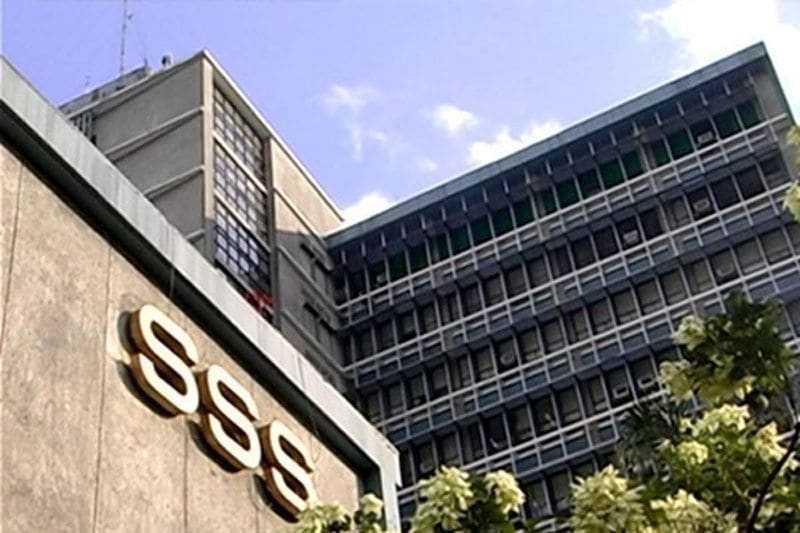
The Social Security System had P1.27 trillion in consolidated investments as of the end of June, positioning the Philippine state pension fund to explore international opportunities while maintaining its substantial presence in domestic capital markets.
Robert Joseph de Claro, president and CEO of SSS, said the pension fund is examining foreign investments to diversify its portfolio and improve long-term returns. Under existing regulations, the SSS can allocate up to 7.5 percent of its Investment Reserve Fund to overseas assets.
The move represents a significant evolution for the pension fund, which has historically concentrated its holdings within the Philippines. De Claro emphasized that international investments would complement rather than displace the fund's domestic commitments, which he described as part of its contribution to nation-building.
Current Portfolio Composition
Government securities form the largest share of SSS holdings, accounting for P629.05 billion, or 49.5 percent of the total portfolio as of June 30. Equities represent the second-largest allocation at P179.44 billion, followed by property investments at P154.56 billion and member loans at P151.90 billion. Corporate notes and bonds total P96.34 billion.
The portfolio generated P27.16 billion in actual investment income during the first half of the year, translating to an annualized return of 4.53 percent. This figure excludes realized gains from equity securities classified as fair value through other comprehensive income, according to SSS.
The pension fund is targeting a reserve fund of P2 trillion by 2030, requiring approximately P730 billion in additional growth from current levels. Expanding into foreign markets would provide access to a broader range of assets and help manage concentration risks within the portfolio.
Financial Performance and Outlook
SSS reported net income of P142.97 billion in 2025, a 58.4 percent increase from the previous year. Total assets reached P1.26 trillion, up 22.1 percent from P1.03 trillion in 2024.
However, first-half net income fell 28 percent to P48 billion as benefit payouts increased. De Claro expects full-year income to come in below 2025 levels due to higher disbursements to members and pensioners.
The pension fund began an early rollout of the second tranche of a three-year pension increase program to help retirees manage inflation and rising energy costs. De Claro said the SSS expects to distribute more than P250 billion in benefits this year.
Balancing Growth and Sustainability
De Claro stressed that maintaining income sufficient to ensure long-term sustainability remains the priority, rather than maximizing short-term returns. He suggested that annual income of around P100 billion would be adequate to support the fund's obligations.
The executive indicated that any additional income should be directed toward enhancing benefits for members, pensioners, and survivor pensioners rather than accumulating reserves. This approach reflects a shift in focus toward member welfare alongside financial stability.
The planned international diversification comes as the SSS remains one of the largest institutional investors in the Philippine capital market. The fund's equity holdings, government securities purchases, and participation in corporate debt issuances make it a significant source of domestic capital.
Moving into foreign markets would mark the first time the SSS has pursued offshore investments on a material scale. The strategy aims to spread investment risks across geographies and asset classes while generating returns that support the pension system's long-term viability.
De Claro characterized the fund's approach as conservative but noted that its current surplus provides new flexibility to explore opportunities that balance financial returns with broader economic contributions.
RELATED STORIES

Philippines Senator Calls for Simpler Access to Financial Services Beyond Fee Cuts
Mariel D. Santos · 3 min

Ayala Corp Earnings Fall 7% as Real Estate Slowdown Offsets Gains Elsewhere
Priyanka V. Rao · 3 min

Philippine Stock Exchange Opens Preferred Shares to Direct Listing
Priyanka V. Rao · 3 min

Philippine Airlines Reports $25 Million Loss as Fuel Costs Surge 48 Percent
Priyanka V. Rao · 5 min
Spot something wrong? Email editor@briefasia.com. We log every correction publicly.