Asia · Business
Philippines Maintains Infrastructure Target Despite Mid-Year Spending Dip
Manila's budget agency says P1.3 trillion program remains achievable as public works disbursements slow for five consecutive months
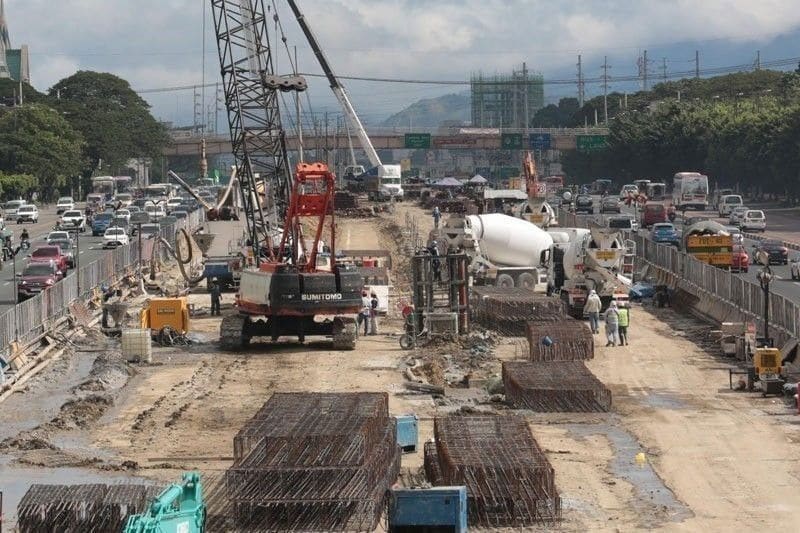
KEY TAKEAWAYS
- ·The Philippines remains on course to meet its P1.3 trillion infrastructure spending target for 2026, according to the Department of Budget and Management.
- ·Public works disbursements have declined for five consecutive months, though mid-year slowdowns are common in the Philippine budget cycle.
- ·Infrastructure spending is positioned as a key driver of economic recovery, equivalent to roughly 5.8 percent of projected GDP for 2026.
Spending Trajectory Holds Despite Slowdown
The Philippines remains on track to deliver its P1.3 trillion infrastructure program for 2026, according to the Department of Budget and Management, even as public works disbursements have declined for five consecutive months. The budget agency framed the spending push as critical to the country's economic recovery trajectory.
The DBM's confidence comes despite the mid-year slowdown, a pattern that often reflects procurement delays, regulatory clearances, and the seasonal rhythm of large-scale construction projects across the archipelago. Infrastructure investment has been a cornerstone of Manila's growth strategy, particularly as the economy seeks to regain momentum after recent headwinds in external demand and domestic consumption.
Context of the Commitment
At P1.3 trillion, the 2026 allocation represents one of the largest peacetime infrastructure budgets in Philippine history. The program spans transport corridors, flood control systems, school buildings, and rural road networks, with projects concentrated in Metro Manila, Central Luzon, and Mindanao. Disbursement data through the first half of the year will be closely watched by investors and multilateral lenders, many of whom have co-financed segments of the pipeline.
Five-month spending slides are not unprecedented in the Philippine budget cycle. Disbursement rates typically accelerate in the third and fourth quarters as project approvals clear and the construction season peaks. The DBM's statement signals that the agency expects this pattern to repeat, with a catch-up phase beginning in the coming weeks.
Economic Role of Infrastructure Push
Infrastructure spending has been positioned by the administration as a primary driver of job creation and domestic demand. Construction activity feeds into cement, steel, and logistics sectors, while completed projects aim to reduce transport costs and improve connectivity across the 7,600-island nation. The P1.3 trillion target is equivalent to roughly 5.8 percent of projected GDP for 2026, a ratio that places the Philippines among the higher infrastructure spenders in Southeast Asia.
The slowdown in disbursements, however, raises questions about execution capacity. Local government units, which implement a significant share of infrastructure projects, have historically faced bottlenecks in procurement, land acquisition, and environmental compliance. The DBM has not disclosed which agencies or project categories account for the five-month decline, nor whether any major undertakings have been deferred or rescoped.
Regional Implications
For the broader Asia infrastructure story, the Philippines remains a test case. The country has attracted interest from Japan, China, and South Korea for rail, port, and energy projects, often structured as public-private partnerships or official development assistance. Any sustained underspend could dampen investor sentiment or prompt a reallocation of regional capital toward faster-disbursing markets such as Vietnam or Indonesia.
At the same time, Manila's commitment to the P1.3 trillion figure suggests political will to maintain momentum. The administration has staked part of its economic credibility on infrastructure delivery, and a miss on the annual target would carry reputational costs ahead of the 2028 electoral cycle.
What Comes Next
The DBM is expected to release detailed disbursement figures for the first half of 2026 in the coming weeks, which will clarify whether the slowdown is concentrated in a few large projects or spread across the portfolio. Observers will also watch for any supplemental budget measures or realignments that could accelerate spending in the final quarters.
For now, the message from Manila is continuity. Infrastructure remains the engine, and the government insists the train is still on schedule.
RELATED STORIES
Filipino Workers Abroad Send Home $3.6 Billion in July
Mariel D. Santos · 3 min
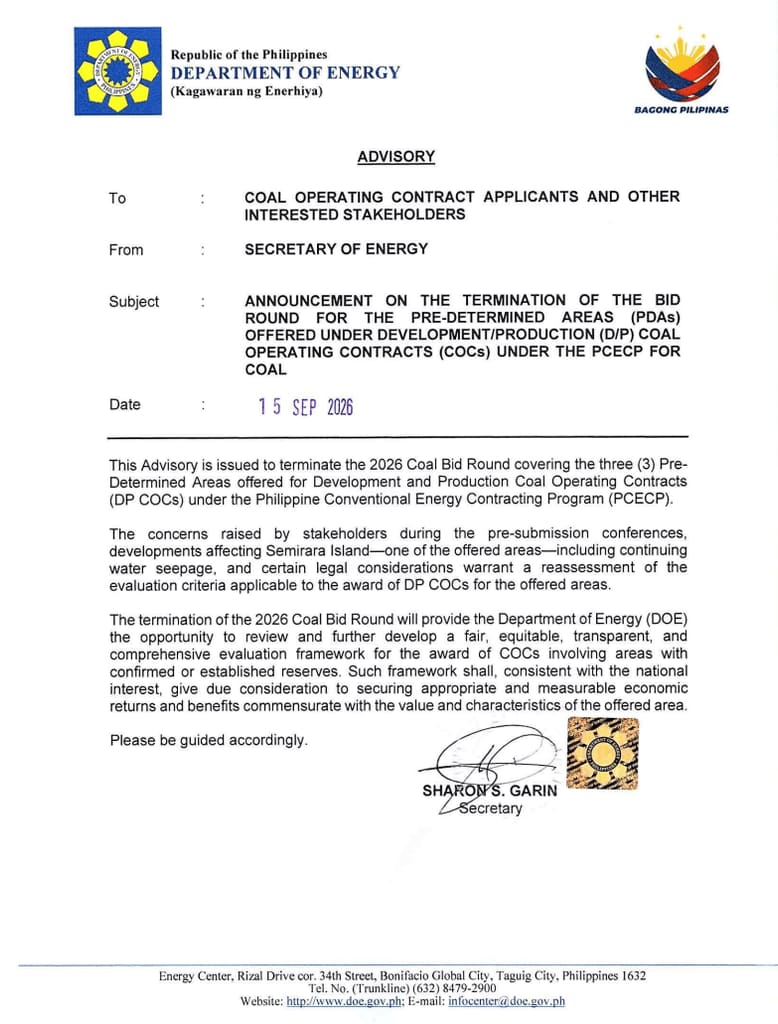
Philippines Cancels Coal Tender for Key Mining Site Months Before Operator Handover
Mariel D. Santos · 4 min

Five ASEAN Members Back Regional Oil Stockpile as Study Nears Completion
Tran Quoc Bao · 3 min

Asialink Finance Targets $480M in Medium-Enterprise Lending by Year-End
Mariel D. Santos · 3 min
Spot something wrong? Email editor@briefasia.com. We log every correction publicly.