Asia · Trending
Philippines Inflation Seen Holding at 6.4 Percent in July Despite Rice Price Relief
Economists warn persistent price pressures and elevated fuel costs keep central bank in tightening mode as data release approaches
KEY TAKEAWAYS
- ·Philippine consumer price growth likely remained at 6.4 percent in July, the fifth consecutive month above the central bank's two to four percent target range, with forecasts ranging from six to 6.8 percent.
- ·Higher fuel, electricity, and wage costs offset declines in rice and select food prices, while core inflation showed signs of broadening as businesses passed on operating expenses to consumers.
- ·Most economists expect the Bangko Sentral ng Pilipinas to deliver a third 25-basis-point rate hike at its August 27 meeting to anchor inflation expectations amid geopolitical risks and persistent demand pressures.
Elevated Price Pressures Persist
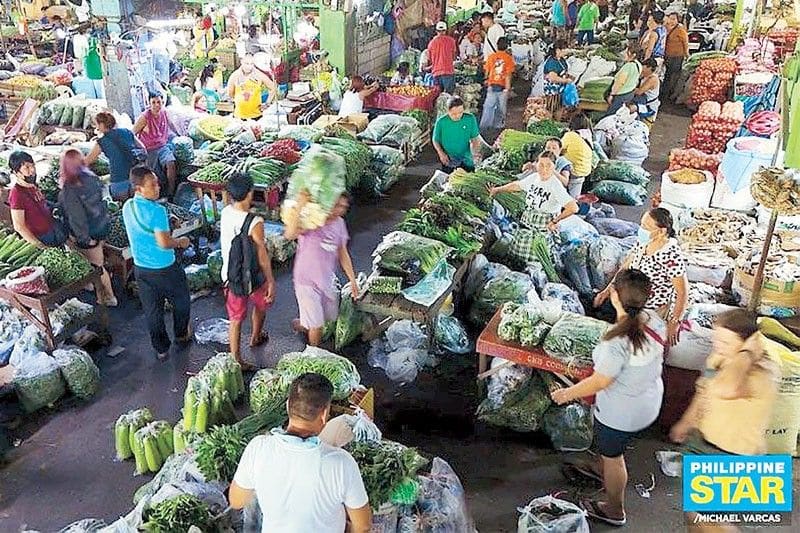
Philippine consumer prices likely stayed at an annual pace of 6.4 percent in July, matching the previous month's rate, as gains in energy and power tariffs counterbalanced softer rice and vegetable costs, according to a survey of 13 economists.
The consensus reading would mark the fifth consecutive month that price growth has exceeded the Bangko Sentral ng Pilipinas' two to four percent target band. The Philippine Statistics Authority will publish official figures on August 5. Projections in the poll spanned from six percent to 6.8 percent, underscoring divergent views on the strength of underlying demand and supply-side shocks.
July 2025 recorded inflation at just 0.9 percent, making the year-on-year comparison particularly stark. Analysts point to a confluence of factors: volatile global oil markets driven by Middle East tensions, electricity rate adjustments, peso depreciation since April, and lingering effects of minimum wage increases that took effect in Metro Manila earlier this year.
Fuel and Wage Pressures Dominate Outlook
Jonathan Ravelas, senior adviser at Reyes Tacandong & Co., forecast the highest print at 6.8 percent. He attributed the reading to weather-related disruptions in food supply chains, elevated logistics expenses, and residual impacts from earlier currency weakness. Ravelas noted that core inflation, which strips out volatile food and energy components, appears to be edging upward, signaling that businesses are passing higher operating costs onto consumers.
Ruben Carlo Asuncion, chief economist at UnionBank, penciled in 6.7 percent, citing renewed pressure from select food categories, utilities, and continued pass-through from transport and fuel expenses. Asuncion maintained his call for another 25-basis-point rate hike at the Monetary Board's August 27 meeting, particularly if oil prices remain elevated amid the absence of a durable US-Iran ceasefire. He highlighted resilient domestic demand and potential El Niño-related supply shocks as factors sustaining the central bank's hawkish stance.
RCBC chief economist Michael Ricafort projected 6.6 percent, pointing to the reversal of June's oil price declines following fresh geopolitical flare-ups. Higher minimum wages in the capital region, rising electricity rates, and elevated farmgate prices for unmilled rice also featured in his assessment.
Food and Transport Dynamics
Metrobank chief economist Nicholas Mapa and ANZ Research both expect 6.5 percent. Mapa observed that rice, electricity, and fish prices likely accelerated, though most other food items showed deceleration from June levels. ANZ Research noted that transport inflation remained elevated on a year-over-year basis despite pump prices retreating from April highs, and warned that second-round effects from higher fuel costs pose ongoing risks.
Alvin Arogo, chief economist at PNB, and ING Bank both forecast inflation to hold at 6.4 percent. Arogo suggested that petroleum and electricity increases were offset by declines in major food commodities including rice and vegetables. ING echoed the view that food inflation eased, with rice prices providing relief after June's sharp jump, though services inflation remained sticky.
HSBC Global Investment Research ASEAN economist Aris Dacanay and Security Bank chief economist Angelo Taningco both projected 6.3 percent. Dacanay noted that the recent surge in diesel prices materialized only in the final 10 days of July, while earlier weeks saw relatively benign fuel movements. He said a two percent rise in electricity rates was largely offset by gradual moderation in key food items, including retail rice and pork. Dacanay flagged upside risks from lagged fertilizer price impacts, a high probability of a strong El Niño in the fourth quarter, and uncertainty surrounding Middle East peace negotiations.
Taningco highlighted mid-teens annual growth in rice prices alongside higher local diesel and gasoline costs, balanced by downward pressure from meat and vegetables. He expects core inflation to remain above four percent due to persistent pricing in accommodation, restaurants, and other service sectors, reinforcing his call for a third 25-basis-point rate increase in August.
Policy Implications and Forward Look
The Bangko Sentral ng Pilipinas raised its benchmark overnight borrowing rate by 25 basis points to 4.75 percent on June 18, marking the second consecutive hike this year. Policymakers have signaled their intent to keep inflation expectations anchored amid elevated price pressures and external volatility.
Ateneo Center for Economic Research and Development director Ser Percival Peña-Reyes, BPI lead economist Emilio Neri Jr., and China Bank chief economist Domini Velasquez all forecast 6.2 percent. Neri said headline inflation likely eased as food inflation stayed contained due to improved rice supply, though higher electricity rates and domestic fuel prices lifted energy-related costs. He cited the ongoing Super El Niño, elevated fertilizer expenses, the first tranche of the Metro Manila minimum wage hike, renewed geopolitical risk premiums, and rising producer prices in China as upside risks. Neri expects the central bank to maintain a hawkish posture to prevent inflation expectations from becoming de-anchored while supporting the peso in an uncertain external environment.
Velasquez noted that rice prices continued to decline on a monthly basis despite El Niño concerns, contributing to her expectation of a fourth consecutive month of easing inflation.
Miguel Chanco, chief emerging Asia economist at Pantheon Macroeconomics, had the lowest forecast at six percent, driven by softer food inflation. He estimated transport inflation held steady near 13 percent due to renewed upward pressure on fuel prices.
The divergence in forecasts reflects uncertainty over the interplay between supply-side relief in key staples and demand-side pressures from wage growth and energy costs. With inflation still well above target and core measures creeping higher, the Bangko Sentral ng Pilipinas faces a delicate balancing act between supporting economic expansion and ensuring price stability. The August policy meeting will be closely watched for signals on the trajectory of rates through year-end, particularly if geopolitical risks keep commodity markets volatile.
RELATED STORIES
Filipino Workers Abroad Send Home $3.6 Billion in July
Mariel D. Santos · 3 min

PhilWeb Trading Halted After P4.2 Billion JKS Tech Bet
Tran Quoc Bao · 3 min

Megaworld REIT Secures Approval for P27 Billion Asset Infusion
Priyanka V. Rao · 4 min

Philippines Central Bank Uses AI and Job Boards to Track Unemployment in Real Time
Priyanka V. Rao · 4 min
Spot something wrong? Email editor@briefasia.com. We log every correction publicly.