Finance · Markets
Philippines' Foreign Reserves Hit 18-Month Floor on Central Bank Operations
BSP's foreign exchange interventions and government debt servicing drove dollar stockpile down to $103.38 billion in July, though officials say buffer remains adequate against external shocks
KEY TAKEAWAYS
- ·The Philippines' gross international reserves declined to $103.38 billion in July, the lowest level in 18 months, driven by central bank foreign exchange operations and government debt servicing.
- ·Foreign securities and currency deposits fell sharply, down 6.6 percent and 9.2 percent respectively, while gold holdings rose 1.7 percent on valuation gains.
- ·Reserves still cover 6.7 months of imports and exceed 3.6 times short-term external debt, but the downward trend warrants close monitoring amid regional capital flow volatility.
Reserves Fall Below $104 Billion Mark
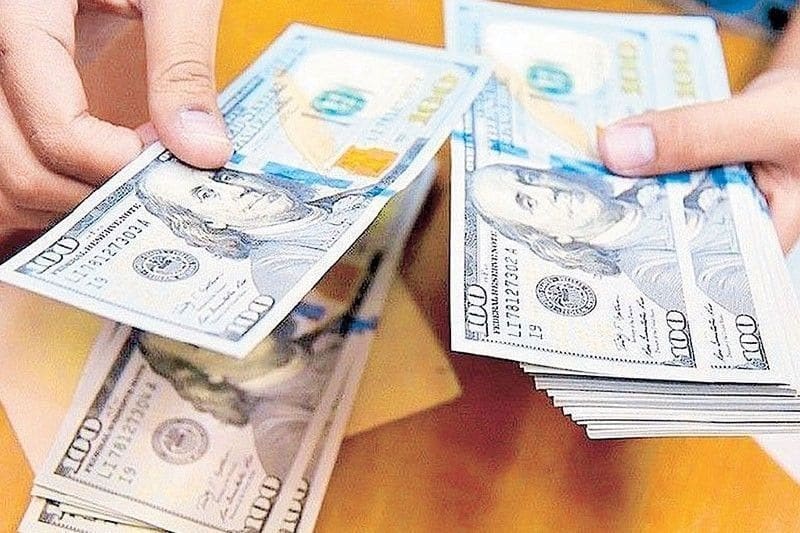
The Philippines' foreign currency cushion contracted to $103.38 billion at the end of July, marking the smallest stockpile the Southeast Asian economy has held since the opening month of 2025. The Bangko Sentral ng Pilipinas reported the figure represents a month-on-month drop of 1.3 percent from June's $104.74 billion and a 1.9 percent decline year-over-year from July 2025's $105.42 billion.
The erosion came despite a tailwind from higher global gold valuations, which lifted the peso value of the central bank's bullion holdings during the period. BSP officials pointed to three primary drivers behind the contraction: the monetary authority's ongoing foreign exchange market interventions, the national government's drawdown of foreign currency deposits to service external obligations, and net withdrawals from official accounts held at the central bank.
Foreign securities, which constitute the largest single component of the country's reserve portfolio, saw a sharp 6.6 percent monthly decline to $67.26 billion in July. Currency and deposit holdings fell even more steeply, contracting 9.2 percent to $1.85 billion. The dual decline underscores the intensity of outflows during the month, particularly as the government met scheduled debt obligations denominated in foreign currency.
Gold Holdings Provide Partial Offset
While liquid foreign assets declined, the central bank's gold reserves climbed 1.7 percent month-on-month to $17.49 billion, up from $17.19 billion in June. The increase reflects valuation gains as international gold prices rallied during July, lifting the peso-denominated value of the BSP's physical bullion without requiring additional purchases. On a year-over-year basis, gold holdings jumped nearly 27 percent from $13.78 billion in July 2025, highlighting how sustained strength in precious metal markets has bolstered this portion of the reserve base.
The BSP also noted that income generated from its overseas investment portfolio provided modest support during the month, partially offsetting the operational outflows. Central banks typically invest reserve assets in low-risk, liquid instruments such as government bonds and highly rated securities, earning returns that can help stabilize reserve levels during periods of net currency demand.
What Reserves Cover
The central bank emphasized that despite the decline, the country's reserve position remains within safe operating parameters. At $103.38 billion, the stockpile covers 6.7 months of projected imports of goods, services, and primary income payments. This metric exceeds the international benchmark of three months' import cover, which is widely regarded as a minimum threshold for external stability.
Additionally, the reserves stand at 3.6 times the Philippines' short-term external debt calculated on a residual maturity basis. This ratio measures the country's ability to meet near-term foreign obligations without relying on new borrowing or disruptive asset sales, and current levels suggest manageable rollover risk even if access to international capital markets were to tighten unexpectedly.
Jonathan Ravelas, senior adviser at Reyes Tacandong & Co., acknowledged the adequacy of the current reserve position but noted that the recent trajectory warrants closer attention. The combination of government debt servicing, potential further currency interventions to manage peso volatility, and ongoing import demand could test the buffer in coming months if inflows from remittances or exports weaken.
Regional Context and Pressure Points
The Philippines' reserve dynamics sit within a broader Southeast Asian context where central banks have been navigating volatile capital flows, shifting US monetary policy expectations, and uneven post-pandemic recovery trajectories. While reserves in Singapore and Thailand have shown relative stability, Indonesia and Vietnam have also experienced episodic drawdowns tied to currency defense and debt servicing.
For Manila, the reserve stockpile serves as the primary tool to smooth exchange rate volatility and ensure uninterrupted access to imports, including energy and capital goods critical to industrial activity. The BSP has historically intervened in foreign exchange markets to prevent excessive peso depreciation, which can fuel imported inflation and complicate monetary policy management.
The government's external debt servicing schedule adds a predictable but substantial claim on reserves. As global interest rates remain elevated relative to the low-rate environment of the prior decade, the cost of rolling over or retiring foreign-denominated obligations has increased, amplifying the pressure on the reserve base during months when payments come due.
Forward Considerations
Looking ahead, the trajectory of reserves will depend on several variables. Overseas remittances from Filipino workers abroad remain a critical source of dollar inflows, and any softness in labor markets in key destinations such as the Middle East, North America, or other parts of Asia could reduce this support. Export performance, particularly in electronics and business process outsourcing services, will also influence the net supply of foreign currency available to the central bank.
On the policy side, the BSP's appetite for continued foreign exchange intervention will be shaped by inflation dynamics, the peso's real effective exchange rate, and the broader monetary policy stance. If inflationary pressures persist or the peso faces renewed selling pressure, the central bank may opt to deploy reserves more aggressively, potentially extending the recent downward trend.
Gold price movements will continue to play a valuation role. Should international gold markets retreat from current levels, the peso value of the BSP's bullion holdings would contract, mechanically reducing reported reserves even in the absence of operational outflows. Conversely, sustained strength in gold could provide a buffer against other drains on the stockpile.
The 18-month low reached in July does not yet signal distress, but it does narrow the margin for error. Regional investors and credit rating agencies will be watching whether the decline stabilizes in the coming months or accelerates, potentially triggering concerns about external financing capacity and exchange rate stability. For now, the cushion remains adequate by standard metrics, but the direction of travel has shifted, and maintaining confidence will require careful management of both fiscal and monetary levers in the months ahead.
RELATED STORIES

Philippines Central Bank Fielded 120,000 Customer Disputes in 2025
Priyanka V. Rao · 3 min
Philippine Economy Stalls as Investment Collapse Drags Growth to Pandemic Lows
Priyanka V. Rao · 3 min
Philippine SSS Net Income Falls 28 Percent as Pension Hike Drives Up Costs
Priyanka V. Rao · 2 min
Philippine Economy Slows to 2.3% Growth in Second Quarter
Priyanka V. Rao · 2 min
Spot something wrong? Email editor@briefasia.com. We log every correction publicly.