Asia · Business
Philippines Braces for Diesel and Kerosene Price Surge Above P2 per Liter
Manila shifts to specific fuel price reporting as Middle East tensions threaten further increases through Strait of Hormuz disruptions
KEY TAKEAWAYS
- ·Diesel prices in the Philippines will rise between P2.62 and P4.62 per liter this week, with kerosene increasing P2.22 to P4.22 per liter, according to the Department of Energy.
- ·Manila will switch from range-based to specific fuel price reporting next week to improve government monitoring under the ongoing national energy emergency.
- ·Energy Secretary Sharon Garin warned of further price increases ahead due to growing Middle East tensions threatening oil transit through the Strait of Hormuz.
Steep Fuel Price Increases Hit Manila
Filipino consumers face sharp fuel cost increases this week, with diesel and kerosene prices expected to climb by more than P2 per liter, according to the Department of Energy. The adjustments, effective July 14 through July 20, reflect continued volatility in global oil markets tied to Middle East tensions.
The DOE projects diesel prices will rise between P2.62 and P4.62 per liter, while kerosene will increase P2.22 to P4.22 per liter. Gasoline prices face uncertainty, with potential movement of P1 per liter in either direction.
Energy Secretary Sharon Garin attributed the increases to ongoing conflict in the Middle East, which continues to disrupt global supply expectations. The Philippines remains under a national state of energy emergency, with authorities monitoring pump prices closely to protect consumers from excessive markups.
Reporting Changes Signal Market Stabilization
This marks the final week the DOE will announce fuel adjustments in ranges. Starting next week, the agency will post specific price changes, a shift Garin said reflects expectations that market volatility will moderate following recent international agreements.
The transition to precise pricing aims to improve government oversight of retail fuel stations. Garin emphasized the change would strengthen consumer protection mechanisms while the energy emergency declaration remains in effect.
"It's better for the protection of consumers and for government monitoring," Garin said, noting that specific figures will make it easier to identify stations that deviate from authorized adjustments.
Strait of Hormuz Threatens Further Escalation
Despite hopes for near-term stabilization, Garin warned consumers to prepare for additional price pressures in coming weeks. Growing tensions in the Middle East threaten safe passage through the Strait of Hormuz, a critical chokepoint for global oil shipments.
International crude oil prices have already begun climbing in response to these geopolitical risks. Brent crude for September delivery jumped 3.75 percent recently, signaling that Philippine domestic pump prices will continue tracking global market movements.
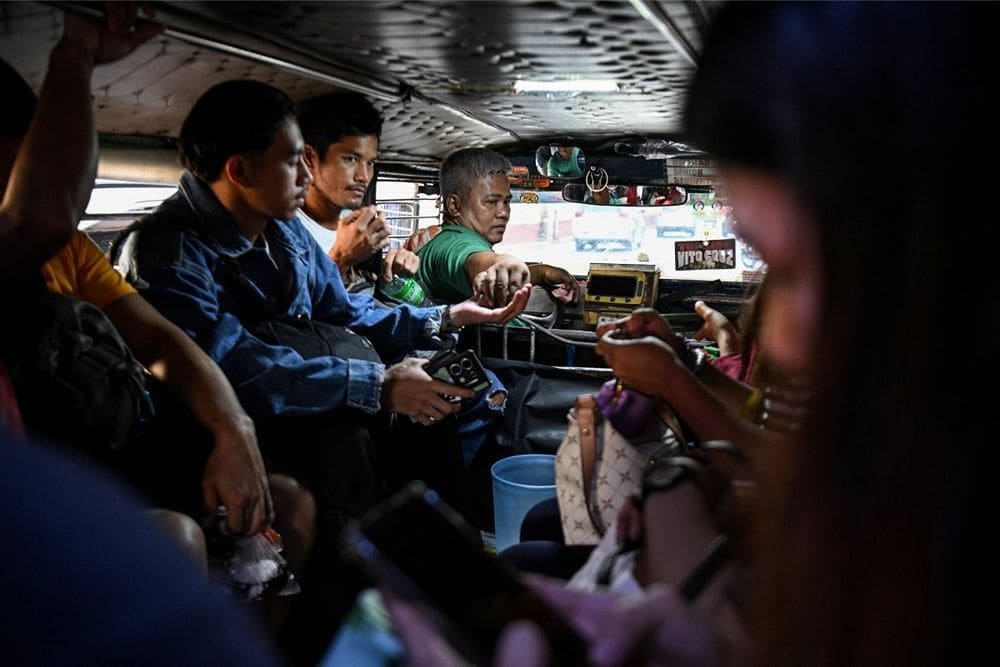
The confluence of regional conflict and supply route vulnerability leaves Manila with limited options to shield consumers from imported inflation. Transport cooperatives and public utility vehicle operators, already struggling with thin margins, face renewed pressure as fuel costs eat into operating budgets.
Regional Energy Security Under Pressure
The Philippines' heavy dependence on imported petroleum products leaves it particularly exposed to Middle East supply disruptions. Unlike several Southeast Asian neighbors with domestic refining capacity or strategic reserves sufficient for extended disruptions, Manila must absorb global price swings with limited buffers.
The government has rolled out targeted subsidies for transport cooperatives, including direct-to-e-wallet fuel assistance programs. However, these measures cover only a fraction of affected operators, and broader consumer subsidies remain politically challenging amid fiscal consolidation pressures.
Energy security concerns are mounting across Asia as geopolitical risks compound seasonal demand patterns. The Philippines, along with other net importers in the region, now faces a dual challenge: managing immediate price shocks while accelerating longer-term diversification away from fossil fuel dependence.
With the DOE's shift to specific price reporting, market watchers will gain clearer visibility into how quickly international crude movements translate to retail pump adjustments. For millions of Filipinos dependent on diesel-powered public transport, the coming weeks will test both household budgets and government support mechanisms.
RELATED STORIES

Philippines Energy Budget Climbs 26% as Electric Vehicle Funding Surges
Priyanka V. Rao · 3 min
Philippine Nickel Miners Push for Unified Policy Framework as Critical Minerals Race Intensifies
Priyanka V. Rao · 3 min

Philippine Water Operator Earmarks $400 Million for Southeast Asia Expansion
Mariel D. Santos · 2 min
Philippine Manufacturing Expands at Fastest Pace Since 2016
Priyanka V. Rao · 3 min
Spot something wrong? Email editor@briefasia.com. We log every correction publicly.