Finance · Banking
Philippines Central Bank Signals Softer Rate Path as Growth Lags
BSP Governor says subdued economic expansion allows for less aggressive tightening, but inflation must drop further before policy shift
KEY TAKEAWAYS
- ·BSP Governor Eli Remolona Jr. said the central bank can moderate rate increases as Philippine economic growth runs below potential at 5.4 percent in Q2.
- ·Consumer price inflation stood at 4.2 percent in July, down from 8.7 percent in January but still above the BSP's two to four percent target range.
- ·Policymakers require more convincing evidence of inflation deceleration before adjusting the current 6.5 percent benchmark rate, with markets expecting cuts in Q4 2026.
Room to Ease Emerges
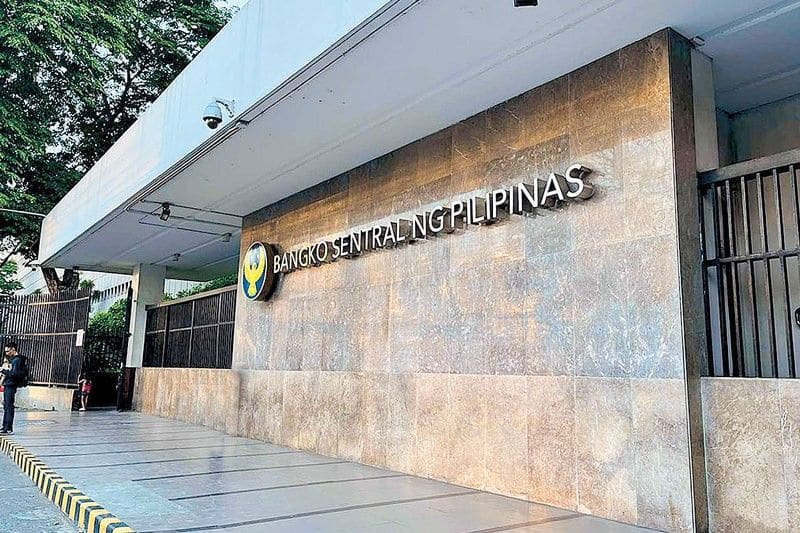
The Bangko Sentral ng Pilipinas has space to moderate its interest rate increases as the Philippine economy expands below its potential pace, Governor Eli Remolona Jr. said this week. The statement marks a shift in tone from the central bank, which has maintained a hawkish posture for most of the past two years as it battled stubborn price pressures across the archipelago.
Remolona told reporters that subdued growth dynamics reduce the urgency for aggressive monetary tightening. Yet he stressed that policymakers require more compelling evidence of inflation deceleration before adjusting the current policy stance. The central bank has lifted its benchmark overnight borrowing rate by 450 basis points since May 2022, bringing it to 6.5 percent, among the steepest tightening cycles in Southeast Asia.
Growth Undershoots Forecasts
The Philippine economy expanded 5.4 percent year-on-year in the second quarter, below the government's six to seven percent target range for 2026. Private consumption, which accounts for nearly three-quarters of gross domestic product, has weakened as higher borrowing costs weigh on household spending and business investment. Manufacturing output contracted for three consecutive months through July, while construction activity slowed sharply.
The central bank's own surveys show business confidence at a two-year low, with firms citing elevated financing costs and softer domestic demand. Remittances from overseas Filipino workers, a traditional growth engine, rose just 2.1 percent in the first half, the slowest pace since the pandemic. The combination of factors has pushed the economy's operating rate below the level that would typically generate upward pressure on wages and prices.
Inflation Remains Above Target
Consumer price inflation stood at 4.2 percent in July, down from a peak of 8.7 percent in January but still above the BSP's two to four percent target band. Food prices, which carry a 40 percent weight in the basket, remain elevated due to weather disruptions and supply chain bottlenecks. Rice inflation alone hit 12.3 percent last month, while transport costs rose 6.8 percent.
Remolona noted that core inflation, which strips out volatile food and energy items, has moderated to 3.6 percent, suggesting underlying price pressures are easing. The central bank projects headline inflation will return to the target range by the fourth quarter, assuming stable oil prices and normal weather patterns. Yet policymakers remain cautious, particularly given the risk of renewed commodity shocks or currency depreciation.
Regional Divergence
The BSP's careful stance contrasts with policy moves elsewhere in the region. Bank Indonesia cut rates by 25 basis points in June, while Thailand's central bank has held steady at 2.5 percent despite political pressure for easing. Malaysia raised rates a final 25 basis points in May before pausing. The divergence reflects varied inflation trajectories and growth outlooks across Southeast Asia, with the Philippines facing a more delicate balancing act between supporting expansion and anchoring price expectations.
The peso has depreciated 4.1 percent against the dollar this year, adding to imported inflation concerns. A weaker currency raises the cost of fuel, raw materials, and foreign debt servicing for Philippine firms, complicating the central bank's task. Remolona has said the BSP stands ready to intervene in currency markets if volatility becomes excessive, though he prefers to let the peso find its market level.
Market Expectations
Fixed-income traders have priced in 50 basis points of rate cuts by the end of 2026, according to swap market data. The benchmark 10-year Philippine government bond yield has fallen 35 basis points since June, reflecting expectations that the tightening cycle has peaked. Equity investors have responded positively, with the PSE index climbing 8.2 percent over the past two months as financial stocks rallied on the prospect of lower rates ahead.
Economists at major banks expect the BSP to hold rates steady at its September meeting before initiating cuts in the fourth quarter, provided inflation continues to decline. The central bank's next policy decision is scheduled for September 21, with markets watching closely for further signals on the timing and pace of any easing cycle. For now, the message from Remolona suggests patience remains the watchword, even as the case for aggressive tightening fades.
RELATED STORIES
Filipino Consumers and Businesses Lost P50 Billion to Forex Markups in 2024
Priyanka V. Rao · 2 min

GT Capital Posts P16.4 Billion Profit Amid Slower Economic Activity
Priyanka V. Rao · 3 min
KKR Sets Premium Trigger on First Gen Control at P40 Billion
Priyanka V. Rao · 5 min
Philippines Senator Calls for Simpler Access to Financial Services Beyond Fee Cuts
Mariel D. Santos · 3 min
Spot something wrong? Email editor@briefasia.com. We log every correction publicly.