Finance · Banking
Philippines Braces for More Rate Hikes as Price Pressures Persist
Central bank expected to deliver at least one more increase despite three-month cooling streak, as core inflation and external risks keep monetary authorities on alert
KEY TAKEAWAYS
- ·Philippine inflation eased to 6.2 percent in July, but the seven-month average of five percent remains above the BSP's two-to-four percent target range.
- ·Nomura forecasts 50 basis points of additional tightening across August and October, while Chinabank expects the cycle to end after one more hike this month.
- ·Rice prices hit a two-year high of 17.1 percent and electricity costs surged to 16.9 percent, the fastest in three years, as energy and weather risks persist.
Cooling Headline Masks Stubborn Core Dynamics
Manila's monetary authorities are preparing for at least one additional interest rate increase, even as consumer price growth has decelerated for three consecutive months. The Bangko Sentral ng Pilipinas recorded a 6.2 percent year-on-year increase in July, down from 6.4 percent in June, but the seven-month average sits at five percent, well outside the two-to-four percent band officials are targeting.
The debate now centers on how many more moves the BSP will make. Nomura's Euben Paracuelles and Nabila Amani project a total of 50 basis points spread across the August and October meetings, delivered in quarter-point increments. Their rationale hinges on persistent underlying pressures that headline figures fail to capture, particularly as earlier energy cost surges work through the broader economy.
Core inflation, which strips out volatile food and fuel, declined to 4.2 percent in July from 4.4 percent in June. Yet that moderation owes much to seasonal education fee adjustments, according to Nomura's analysis. Categories sensitive to energy inputs, including dining services, lodging, and leisure, continued to accelerate, signaling that cost pass-through remains active.
External Shocks and Domestic Wage Dynamics
Crude oil volatility presents a significant wildcard. Geopolitical friction in the Middle East has kept Brent prices elevated, and transport inflation, while easing to 11.9 percent from 12.8 percent, could reverse if pending jeepney fare petitions succeed. Local transport groups are seeking fare adjustments ranging from two to ten pesos, which would ripple through household budgets and potentially trigger second-round effects.
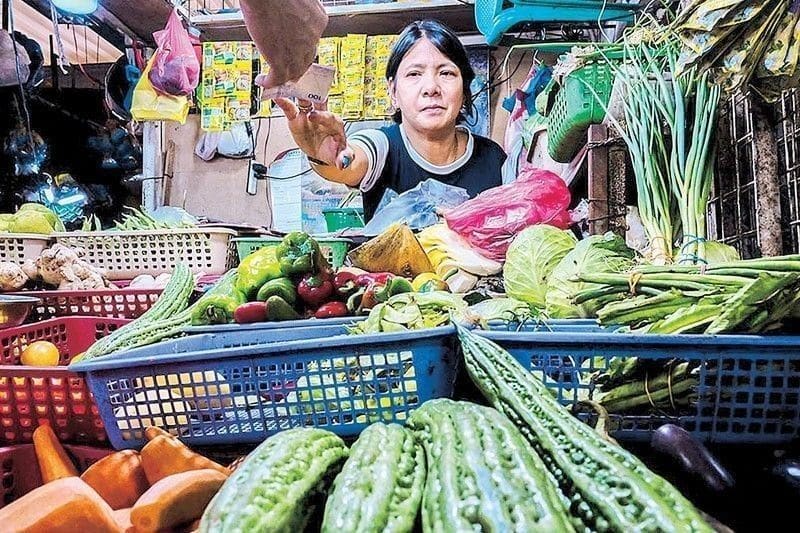
Rice prices climbed to a two-year high of 17.1 percent, driven partly by unfavorable base comparisons even as month-on-month prices declined. The staple carries substantial weight in the consumer basket and remains vulnerable to El Niño-related supply disruptions. BPI lead economist Jun Neri expects price growth to stay elevated through year-end, with gradual moderation possible only in the first half of 2027.
Electricity costs surged to a three-year peak of 16.9 percent, and Chinabank Research warns that power bills face additional headwinds from a higher feed-in tariff allowance, potential supply constraints during prolonged dry weather, and recent liquefied petroleum gas price increases.
Wage adjustments add another layer of complexity. Higher-than-anticipated minimum wage hikes across several regions could generate sustained cost pressures if employers pass labor expenses to consumers, a scenario that would extend the BSP's tightening timeline.
Diverging Views on the End of the Cycle
Not all analysts expect a prolonged campaign. Chinabank chief economist Domini Velasquez argues the BSP is likely to conclude its hiking cycle after an August adjustment, reasoning that second-round inflation effects have largely played out. She acknowledges that price growth will likely accelerate again in the fourth quarter due to base effects, but sees that rebound as temporary rather than evidence of entrenched inflation.
The external environment complicates the picture. Should the Federal Reserve resume rate increases, the peso could weaken further, importing additional inflation through higher costs for fuel, raw materials, and capital goods. That scenario would likely compel the BSP to respond, according to Neri, even if domestic price dynamics alone might not warrant action.
What Comes Next
The BSP's next policy decision, scheduled for mid-August, will hinge on how officials weigh the trade-off between cooling headline figures and persistent underlying pressures. The central bank has already delivered 325 basis points of tightening since May 2025, bringing the benchmark rate to 6.25 percent. Another 50 basis points would push the policy rate to 6.75 percent, the highest since early 2019.
Markets will watch closely for signals in the accompanying statement. If the BSP emphasizes upside risks from energy, weather, and wages, that would suggest openness to further moves beyond August. If officials highlight the three-month deceleration and moderating core inflation, that would point toward a pause after one final hike.
For now, the consensus leans toward at least one more increase, with a meaningful split on whether October will bring a follow-up. The trajectory of oil prices, the severity of El Niño, and the Fed's next steps will likely determine which camp proves correct.
RELATED STORIES

Philippines Central Bank Fielded 120,000 Customer Disputes in 2025
Priyanka V. Rao · 3 min
Philippine Economy Stalls as Investment Collapse Drags Growth to Pandemic Lows
Priyanka V. Rao · 3 min
Philippine Economy Slows to 2.3% Growth in Second Quarter
Priyanka V. Rao · 2 min
Philippine SSS Net Income Falls 28 Percent as Pension Hike Drives Up Costs
Priyanka V. Rao · 2 min
Spot something wrong? Email editor@briefasia.com. We log every correction publicly.