Finance · Markets
Philippine Stock Index Drops 1%, Peso Matches Record Low Amid Regional Volatility
Foreign investors pulled out P655 million as geopolitical tensions and domestic wage pressures weigh on market sentiment
KEY TAKEAWAYS
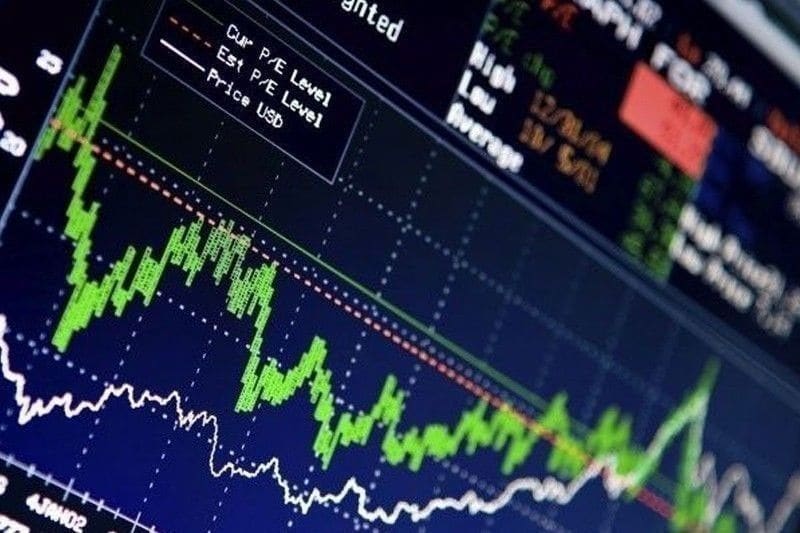
- ·The Philippine Stock Exchange index fell 1.04 percent to 6,267.85 as foreign investors sold P655 million in equities for the second straight session.
- ·The peso closed at 61.75 per dollar, matching its record low last reached on May 19 amid rising oil prices and geopolitical tensions.
- ·A pending Metro Manila wage hike and weakening currency are expected to intensify inflation pressures and complicate central bank policy decisions.
Market Retreat Continues
The Philippine Stock Exchange index closed down 1.04 percent on Wednesday, shedding 65.95 points to settle at 6,267.85. The broader All Shares index dropped 0.53 percent, losing 18.23 points to finish at 3,421.35. Trading volume slipped to P6.49 billion from P7.94 billion the previous session.
Foreign investors turned net sellers for the second consecutive day, offloading P654.99 million worth of equities while accounting for roughly half of total market activity, according to First Metro Securities. The selling wave marks a reversal from the four-day rally that preceded this week's decline.
Sectoral performance diverged sharply. Mining and oil stocks climbed 1.3 percent, while services bore the brunt of the sell-off, tumbling 3.01 percent. The sustained outflows reflect what market participants describe as de-risking behavior amid deteriorating global sentiment.
Currency Under Pressure
The peso closed at 61.75 against the dollar, matching the record low last touched on May 19, according to data from the Bankers Association of the Philippines. The currency opened at 61.73 before weakening throughout the session to reach its intraday low of 61.75.
Jonathan Ravelas, senior adviser at Reyes Tacandong & Co., noted the peso remained under pressure as the greenback strengthened on inflation concerns tied to rising oil prices. The currency's slide compounds challenges for an economy still navigating post-pandemic recovery and external headwinds.
Geopolitical tensions between the United States and Iran have rattled energy markets in recent sessions, pushing crude prices higher and stoking fears that imported inflation will complicate monetary policy across emerging Asia.
Domestic Headwinds
RCBC chief economist Michael Ricafort pointed to a pending wage increase in Metro Manila as a factor weighing on investor sentiment. The adjustment, set to take effect in coming weeks, is expected to lift labor costs for businesses concentrated in the capital region, potentially feeding through to consumer prices.
Ricafort characterized the two-day pullback as a "healthy downward correction" following four consecutive sessions of gains. Still, the combination of currency weakness, foreign capital flight, and cost-push inflation risks presents a more complex picture for policymakers at Bangko Sentral ng Pilipinas.
The central bank has held its benchmark rate steady in recent meetings, but the peso's renewed slide to record lows may force a reassessment if capital outflows accelerate or inflation expectations become unanchored.
Regional Context
Manila's sell-off mirrors unease across Southeast Asian bourses, where investors have grown cautious on the outlook for export-driven economies. Rising borrowing costs in developed markets continue to pull capital away from emerging assets, while China's uneven growth trajectory clouds the demand picture for the region's manufacturers and commodity exporters.
The Philippines posted first-quarter GDP growth of 5.8 percent, below the government's full-year target range of 6.5 to 7.5 percent. Analysts have flagged external vulnerabilities, including a widening current account deficit and reliance on remittances, as structural challenges that leave the economy exposed to shifts in global liquidity conditions.
Wednesday's market action underscores the tension facing central banks across the region: the need to defend currencies and contain inflation while avoiding policy tightening that could choke off fragile domestic demand. For now, Manila's equity and currency markets are signaling that investors see more downside risk than opportunity in the near term.
RELATED STORIES

PhilWeb Trading Halted After P4.2 Billion JKS Tech Bet
Tran Quoc Bao · 3 min
JCR Holds Philippines at A- as Growth Slows to Mid-3% Range
Priyanka V. Rao · 3 min
Philippine Stock Index Falls Below 6,000 as Rate Increase and Currency Pressure Mount
Priyanka V. Rao · 3 min
Philippines Central Bank Raises Rate to 5% Despite Economic Slowdown
Priyanka V. Rao · 3 min
Spot something wrong? Email editor@briefasia.com. We log every correction publicly.