Finance · Markets
Philippine Peso Strengthens Past 60 Per Dollar as Mideast Tensions Ease
The currency posted its strongest close in over a month at 60.93, reversing from a record low hit in late July as geopolitical risks recede and the dollar weakens across Asia.
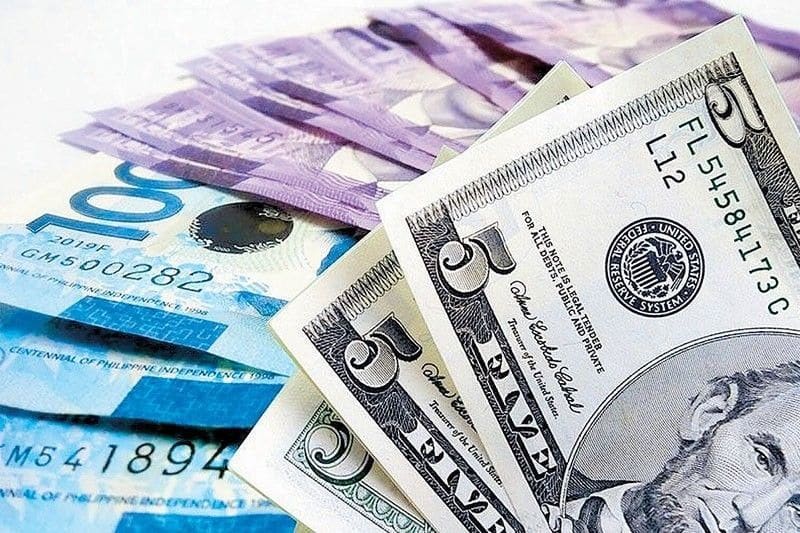
KEY TAKEAWAYS
- ·The Philippine peso closed at 60.93 per dollar on Monday, its strongest level in over a month and a sharp reversal from the record low of 61.847 hit on July 24.
- ·Easing Middle East tensions and coordinated intervention to support the yen weakened the dollar across Asia, while Brent crude fell to around $83 per barrel.
- ·Traders warn the peso could face renewed pressure if July inflation data surprises on the upside, potentially reversing recent gains and complicating central bank policy.
Sharp Reversal From Recent Lows
The Philippine peso closed at 60.93 against the dollar on Monday, marking its strongest finish since mid-June and a dramatic turnaround from the record low of 61.847 hit on July 24, according to the Bankers Association of the Philippines. The local currency gained 31 centavos from its prior session close of 61.24, opening at 61 and trading in a range between 60.87 and 61.08 during the day. Trading volume fell 6.9 percent to $1.45 billion from $1.55 billion previously.
The move reflects a broader shift in sentiment across emerging Asia as external pressures that had weighed on regional currencies in recent weeks showed signs of abating. Manila traders pointed to signals from Washington that the US would resume diplomatic talks with Iran, following requests from Gulf states to pursue negotiations aimed at ending the conflict. That development helped ease demand for safe-haven dollars and allowed riskier assets to regain ground.
Dollar Weakness and Yen Intervention
The peso's recovery also benefited from coordinated intervention by Japanese and US authorities to support the yen, which pulled the dollar lower against major Asian currencies. RCBC chief economist Michael Ricafort noted that the intervention had ripple effects across the region, with the peso among the beneficiaries as capital flows adjusted.
Brent crude prices retreated to around $83 per barrel, their lowest level in more than two weeks, easing concerns over inflation and the country's oil import bill. Lower energy costs reduce pressure on the Philippines' current account, a key factor for currency stability given Manila's reliance on imported fuel.
Domestic Indicators and Near-Term Risks
Ricafort also highlighted improving domestic indicators, including stronger manufacturing activity and gains in the local stock market, as factors supporting the peso. The currency has been recovering in recent sessions as external headwinds eased, allowing emerging market currencies to claw back some of the ground lost during the dollar's recent rally.
Despite Monday's rebound, traders cautioned that the peso could face renewed pressure later this week when July inflation data is released. If consumer prices surprise on the upside, concerns over the country's economic outlook may intensify, potentially reversing some of the currency's recent gains. Higher inflation could also complicate the central bank's policy stance, particularly if price pressures prove more persistent than anticipated.
Regional Context
The Philippines is navigating a complex macro environment shared by many Southeast Asian economies. Rising US interest rates, volatile commodity prices, and shifting geopolitical risks have tested the region's currencies over the past year. Manila's challenge is compounded by its current account dynamics and the need to attract stable capital inflows to fund infrastructure and development priorities.
The peso's performance in the coming weeks will hinge on a combination of external factors, including the trajectory of US-Iran diplomacy, the durability of the yen's recovery, and oil price trends, as well as domestic inflation and growth data. For now, the currency has found breathing room, but the path ahead remains sensitive to both regional and global developments.
RELATED STORIES

Manila Bourse Slides as Investors Reserve Cash for GCash IPO
Rajesh K. Iyer · 3 min

Mynt Secures Approval for $1.4 Billion Manila IPO
Anand Sundaram · 3 min
Alternergy Debuts in Philippine Debt Market with ₱2 Billion Notes Offering
Mariel D. Santos · 2 min

Philippines Central Bank Uses AI and Job Boards to Track Unemployment in Real Time
Priyanka V. Rao · 4 min
Spot something wrong? Email editor@briefasia.com. We log every correction publicly.