Finance · Banking
Philippine National Bank Posts 17% Profit Jump as Loan Growth Accelerates
The 110-year-old lender reported first-half net income of PHP 14.6 billion, driven by expanding consumer lending and a sharp drop in bad loans

KEY TAKEAWAYS
- ·Philippine National Bank reported PHP 14.6 billion net income for the first half of 2026, a 17 percent increase, with return on equity rising to 12.1 percent.
- ·The bank's gross non-performing loan ratio fell to 4.2 percent from 5.5 percent a year earlier, reflecting improved credit quality and lower provisioning costs.
- ·Consumer lending surged 21 percent, with 90 percent of new consumer loans concentrated in secured housing finance, while the cost-to-income ratio improved to 48.7 percent.
Earnings Climb on Broader Lending Activity
Philippine National Bank delivered PHP 14.6 billion in net income for the six months ended June, marking a 17 percent increase from PHP 12.5 billion in the prior-year period. The performance lifted return on equity to 12.1 percent from 11.4 percent twelve months earlier, according to the bank.
Operating revenue expanded by PHP 3.3 billion, supported by a seven percent rise in net interest income. Interest earned from the loan book climbed 12 percent, while the cost of deposits declined 24 percent. Fee-based revenue advanced 17 percent, led by bancassurance contributions.
The results arrive as the Lucio Tan-controlled institution marks its 110th year in operation. PNB president and CEO Edwin Bautista attributed the gain to disciplined execution and a diversified revenue mix that withstood a challenging macroeconomic backdrop across Southeast Asia.
Asset Quality Shows Clear Improvement
Credit quality strengthened materially during the period. The gross non-performing loan ratio fell to 4.2 percent from 5.5 percent a year earlier, reflecting lower provisioning costs and improved recoveries. The decline positions PNB closer to the regional average for universal banks in the Philippines, where NPL ratios have trended downward amid economic recovery and tighter underwriting standards.
Total assets reached PHP 1.35 trillion, up 4.4 percent from PHP 1.29 trillion in the same quarter of 2025. The loan portfolio grew 10 percent to PHP 764 billion from PHP 696 billion, with corporate and commercial exposures rising 11 percent and consumer lending surging 21 percent.
Chief financial officer Francis Albalate emphasized that the consumer book's expansion was concentrated in secured segments. Approximately 90 percent of new consumer loans originated during the half were housing loans, he said, adding that credit quality in the retail portfolio remained stable despite broader market volatility.
The focus on secured lending reflects a deliberate strategy among Philippine lenders to capture mortgage demand from a growing middle class while limiting exposure to unsecured personal loans, which carry higher default risk. Housing finance has become a key battleground for banks seeking to diversify away from corporate credit, particularly as real estate activity rebounds in Metro Manila and secondary cities.
Efficiency Gains and Capital Buffers
PNB's cost-to-income ratio improved to 48.7 percent from 49.3 percent, driven by efficiency initiatives and operational improvements at branch level. The bank said investments in technology and workforce training were balanced by cost discipline, enabling it to expand margins without significant additions to overhead.
The lender ended June with a common equity tier 1 ratio of 19.4 percent and a capital adequacy ratio of 20.3 percent, both well above regulatory minimums. The cushion provides room for further loan growth and potential acquisitions, though management has not signaled any near-term M&A activity.
Bautista noted that more than 90 percent of employees have completed artificial intelligence training as part of a broader digital transformation effort. The initiative aims to embed AI across customer service, credit assessment, and back-office functions, a trend visible across the region's banking sector as institutions race to automate processes and reduce dependency on manual workflows.
Regional Context and Competitive Dynamics
The performance comes as Philippine banks navigate a complex operating environment shaped by persistent inflation, fluctuating interest rates, and uneven economic growth across ASEAN. Lending growth has remained positive but uneven, with corporate borrowers cautious about capital expenditure and consumers selective in taking on new debt.
PNB competes directly with larger universal banks such as BDO Unibank and Banco de Oro, as well as mid-tier players like Security Bank and Rizal Commercial Banking Corporation. The institution's historical ties to the Tan conglomerate provide it with a stable deposit base and cross-selling opportunities in aviation, property, and manufacturing sectors, though it has worked to broaden its client base beyond affiliated entities.
Fee income growth of 17 percent signals success in diversifying revenue beyond net interest margin compression, a challenge facing many Asian lenders as central banks adjust policy rates. Bancassurance, in particular, has become a significant profit center for Philippine banks with extensive branch networks, allowing them to distribute insurance products to retail customers without the capital intensity of underwriting.
Outlook and Strategic Priorities
Management expressed confidence in sustaining momentum through the remainder of 2026, citing the bank's capital position and improving asset quality. The focus remains on expanding the loan book in selected segments, particularly housing finance and mid-market corporate lending, while maintaining discipline on credit costs.
The bank's emphasis on AI adoption and digital infrastructure reflects a broader recognition that operational efficiency will be a key differentiator as competition intensifies. Philippine banks face pressure from digital-only challengers and regional players entering the market, making technology investment a strategic imperative rather than a discretionary expense.
PNB's ability to grow earnings while reducing its NPL ratio suggests that earlier efforts to clean up legacy problem assets are bearing fruit. The 130-basis-point decline in the gross NPL ratio over twelve months is among the sharpest improvements in the sector, positioning the bank to allocate more capital to growth initiatives rather than provisioning.
As the institution enters its second century, the challenge will be balancing scale with agility. The Philippine banking market remains fragmented compared to peers in Singapore, Thailand, and Malaysia, creating opportunities for consolidation and market share gains. Whether PNB pursues inorganic growth or continues to expand organically will depend on valuations, regulatory conditions, and the availability of attractive targets in a sector where family ownership and legacy structures often complicate transactions.
RELATED STORIES

PhilWeb Trading Halted After P4.2 Billion JKS Tech Bet
Tran Quoc Bao · 3 min

GCash IPO Could Turn Users Into Shareholders
Mariel D. Santos · 3 min

Manila Halts Approvals for Digital Payment Operators Pending Fraud Review
Jun-ho Seo · 4 min
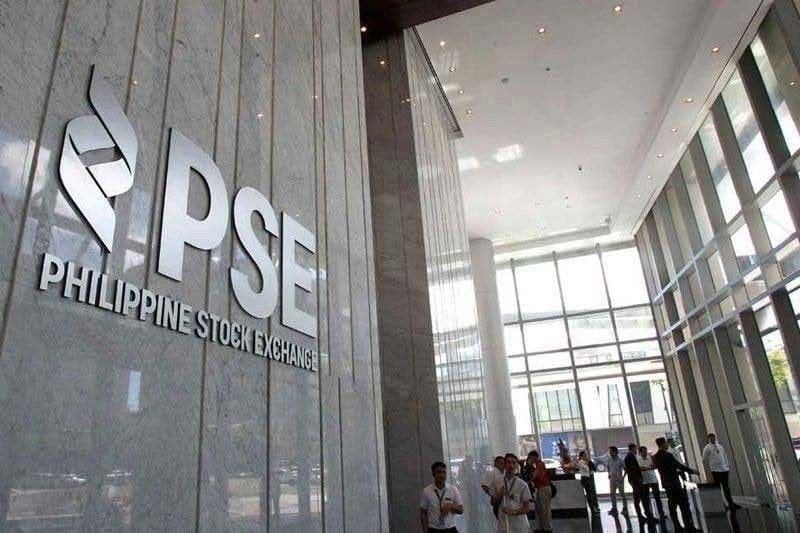
Philippine Stocks Edge Higher as Inflation Cools to Five-Month Low
Jun-ho Seo · 3 min
Spot something wrong? Email editor@briefasia.com. We log every correction publicly.