Asia · Trending
Philippine Price Pressures Ease to Three-Month Low as Transport, Education Costs Slow
Consumer prices rose 6.2 percent in July, down from 6.4 percent in June, as transport and education service costs decelerated, though food prices held steady at elevated levels
KEY TAKEAWAYS
- ·Philippine consumer prices rose 6.2 percent year-on-year in July 2026, the slowest pace since March and the third consecutive monthly decline from 6.4 percent in June.
- ·Transport costs increased 11.9 percent annually while education services slowed to 1.9 percent, but food and non-alcoholic beverages held steady at 5.3 percent, accounting for nearly one-third of total inflation.
- ·Core inflation dropped to 4.2 percent, and regional disparities widened, with Central Visayas at 8.7 percent and Metro Manila at 4.4 percent, complicating the central bank's policy outlook.
Price Growth Slows for Third Straight Month
Consumer prices in the Philippines rose 6.2 percent year-on-year in July, the slowest pace since March and the third consecutive monthly deceleration, according to data released by the Philippine Statistics Authority on August 5. The figure came in below June's 6.4 percent and May's 6.8 percent, landing within the Bangko Sentral ng Pilipinas' forecast range of 5.6 to 6.6 percent for the month.
The cumulative inflation rate for the first seven months of 2026 now stands at 5.0 percent, a level that remains above the central bank's medium-term target band of 2 to 4 percent but signals gradual moderation after the sharp acceleration seen earlier in the year.
The slowdown reflects easing pressures in key non-food categories, particularly transportation and education, even as food prices remain stubbornly elevated. For policymakers and households alike, the question is whether this trend has momentum or whether structural cost pressures will reassert themselves as the year progresses.
Transport and Services Lead the Decline
The deceleration was driven primarily by transport costs, which posted an annual increase of 11.9 percent in July, down from 12.8 percent the previous month. While still in double digits, the moderation suggests that fuel price volatility may be stabilizing, at least temporarily, after sustained upward pressure through the first half of 2026.
Education services saw an even sharper pullback, with annual growth slowing to 1.9 percent from 4.0 percent in June. The timing aligns with the end of the main enrollment period, when one-time fees and school supply purchases typically spike. As these seasonal effects fade, the category has returned to a more subdued trajectory.
Restaurants and accommodation services also cooled, with the annual rate easing to 6.8 percent from 7.0 percent. The shift reflects a broader normalization in hospitality and dining costs, which had been elevated by post-pandemic demand surges and labor cost increases.
Food Prices Remain Sticky
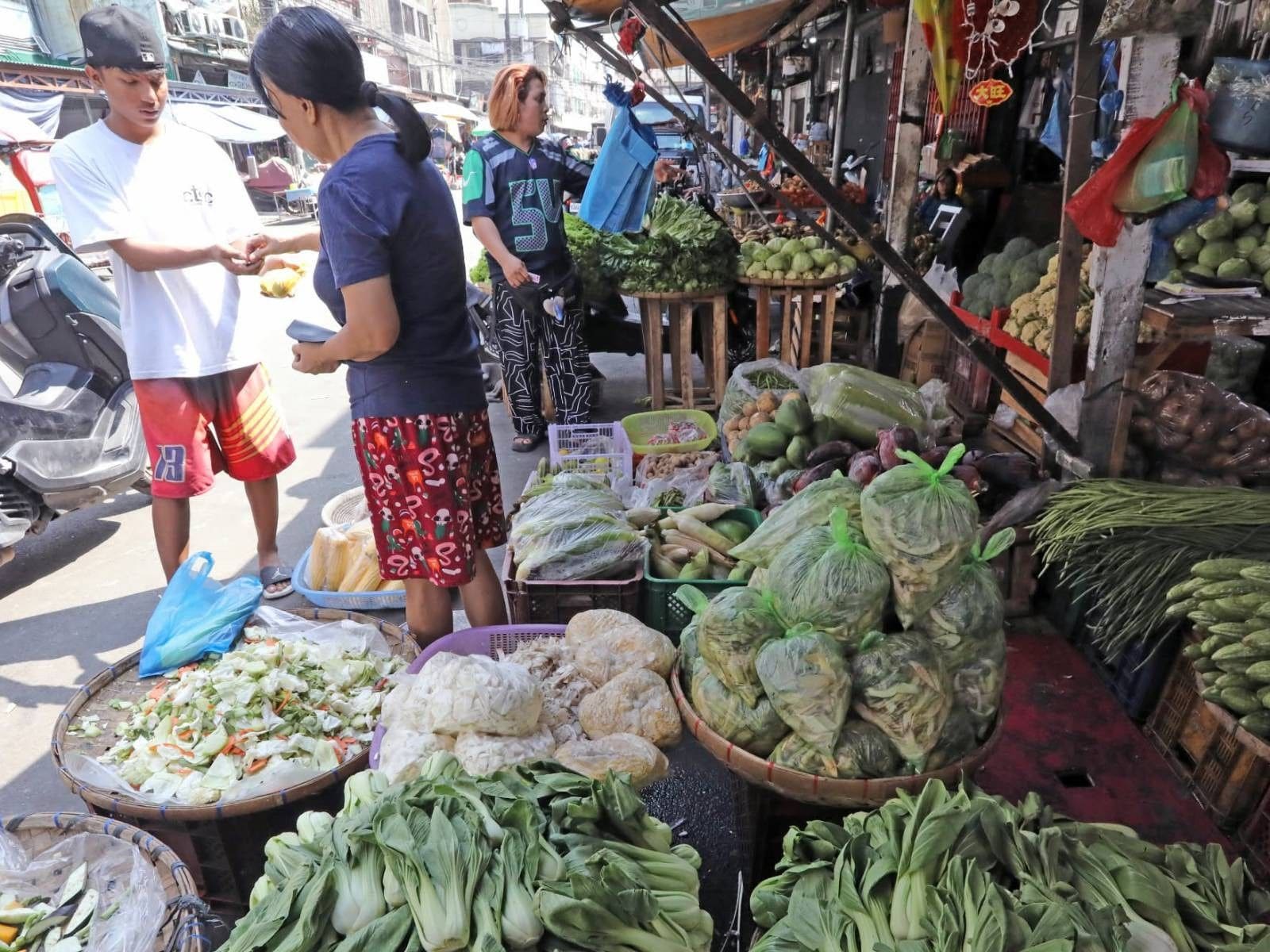
Despite the overall slowdown, food and non-alcoholic beverages continued to exert the heaviest influence on the headline rate, accounting for 32.1 percent of the total inflation contribution in July. The category's annual growth rate held steady at 5.3 percent, unchanged from June, indicating persistent supply-side constraints.
Rice, vegetables, and protein sources have remained sensitive to weather disruptions, import policy shifts, and logistical bottlenecks. For lower-income households, which allocate a disproportionate share of their budgets to food, the lack of relief in this category means that the headline moderation offers limited practical benefit.
Housing, water, electricity, gas, and other fuels contributed 26.8 percent to the overall rate, while transport accounted for 17.4 percent. Together, these three categories represent more than three-quarters of the inflationary pressure facing Filipino consumers.
Core Inflation Drops Below 5 Percent
Core inflation, which strips out volatile food and energy components, fell to 4.2 percent in July, a decline that central bank officials are likely to view favorably. The measure is often used as a gauge of underlying demand conditions and medium-term price momentum, and its retreat suggests that domestic demand pressures are not intensifying.
This cooling in core inflation may give the Bangko Sentral ng Pilipinas additional room to hold its policy rate steady or even consider easing measures later in the year, depending on external financial conditions and currency stability. However, with the headline rate still well above the 2 to 4 percent target range, any pivot toward accommodation remains contingent on sustained disinflation.
Regional Divergence Persists
Inflation in Metro Manila slowed to 4.4 percent from 4.9 percent in June, reflecting the capital's relatively diversified supply chains and lower exposure to agricultural price shocks. Areas outside the National Capital Region saw a more modest decline, from 6.8 percent to 6.7 percent, underscoring the uneven distribution of cost pressures across the archipelago.
Ten regions recorded higher inflation rates compared to the previous month. Central Visayas posted the steepest annual increase at 8.7 percent, driven by localized food supply constraints and elevated transport costs. The Ilocos Region, by contrast, registered the lowest rate at 5.1 percent, benefiting from more stable agricultural output and proximity to northern supply corridors.
The regional disparity highlights the challenge facing national policymakers: aggregate data may signal moderation, but large swaths of the country continue to experience price growth well above the central bank's comfort zone.
What It Means for Monetary Policy
The July figures arrive as the Bangko Sentral ng Pilipinas weighs competing pressures. On one hand, inflation is moving in the right direction, with the three-month trend pointing toward further deceleration. On the other, the absolute level remains elevated, and food price stickiness poses a risk to the disinflation process.
External factors add another layer of complexity. Global commodity markets remain volatile, and the peso's performance against the dollar continues to influence import costs. Any renewed weakness in the currency could quickly reverse the recent progress on inflation, particularly for energy and capital goods.
For now, the central bank is likely to maintain its current stance, monitoring incoming data for signs that the slowdown is durable. The inflation trajectory through the final months of 2026 will be critical in determining whether policy easing becomes feasible in 2027 or whether restrictive settings need to stay in place longer than markets currently anticipate.
Household Budgets Still Under Strain
While the headline rate has improved, the lived experience for many Filipino households remains one of sustained cost pressure. Year-on-year inflation of 6.2 percent means that prices are still rising, just at a slower pace than before. Real wage growth has struggled to keep up, and purchasing power erosion continues to weigh on consumption patterns.
The persistence of elevated food prices is particularly consequential. For families spending 40 to 50 percent of their income on food, a 5.3 percent annual increase translates into meaningful budget strain, even if transport and education costs have moderated.
The government's fuel subsidy program for the transport sector was recently increased to 12 pesos per liter, a measure aimed at cushioning operators and, indirectly, commuters from further fare hikes. Whether this intervention can hold down transport inflation in the coming months will depend on global oil price trends and the sustainability of the subsidy itself.
Outlook for the Second Half
Looking ahead, the trajectory of Philippine inflation will hinge on several variables. Weather patterns will be critical, particularly if El Niño conditions intensify and disrupt agricultural production. Recent reports have flagged the Philippines as the Southeast Asian economy most vulnerable to the climate phenomenon, with potential knock-on effects for rice and vegetable prices.
Global oil markets remain unpredictable, with geopolitical tensions in the Middle East and production decisions by major exporters continuing to drive volatility. A sustained uptick in crude prices would quickly feed through to transport and utility costs, complicating the disinflation narrative.
On the domestic side, wage adjustments and fiscal policy decisions will shape demand-side pressures. The recent push for an 85-peso daily wage increase in Metro Manila, if enacted, could support household purchasing power but also risks adding to cost pressures for businesses, particularly in labor-intensive sectors.
For investors and policymakers tracking the Philippine economy, the July inflation print offers cautious reassurance. The trend is moving in the right direction, but the path back to the central bank's target range remains uncertain, contingent on external shocks, domestic policy choices, and the resilience of food supply chains.
RELATED STORIES
Filipino Workers Abroad Send Home $3.6 Billion in July
Mariel D. Santos · 3 min
Philippines Cancels Coal Tender for Key Mining Site Months Before Operator Handover
Mariel D. Santos · 4 min

Philippines Central Bank Uses AI and Job Boards to Track Unemployment in Real Time
Priyanka V. Rao · 4 min
Philippine Banks See Bad Loan Ratio Tick Up to 3.35% in July
Tran Quoc Bao · 3 min
Spot something wrong? Email editor@briefasia.com. We log every correction publicly.