Finance · Markets
Philippine Equities Poised for Modest Gains as Central Bank Signals Softer Rate Path
Market watchers anticipate sideways movement with upward tilt ahead of BSP policy meeting, as Governor Remolona hints at less aggressive tightening cycle
KEY TAKEAWAYS
- ·The Philippine Stock Exchange index rose 0.11 percent to 6,297.30 last week, with analysts expecting sideways trading and a slight upward bias as BSP Governor Remolona signals less aggressive rate hikes.
- ·The central bank's August 27 Monetary Board meeting has become a focal point for investors assessing whether the tightening cycle has peaked, with Remolona noting economic growth remains below potential.
- ·Brokerages recommend defensive positioning in well-capitalized banks and high-yield utilities while avoiding high-beta cyclicals until policy clarity emerges from both the BSP and the US Federal Reserve.
Market Closes Week in Positive Territory
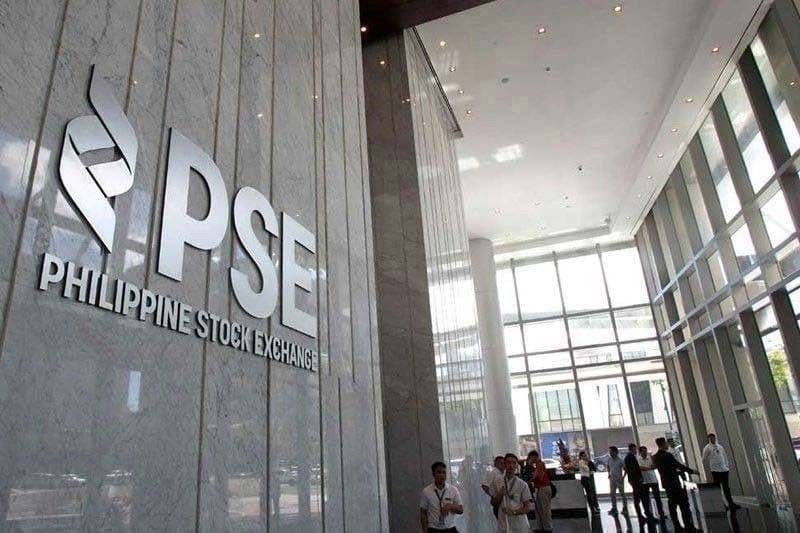
The Philippine Stock Exchange index edged up 0.11 percent week-on-week to close at 6,297.30 last Friday, setting the stage for what analysts expect will be a cautiously optimistic trading week shortened by a public holiday.
The modest gain comes as market participants digest recent comments from Bangko Sentral ng Pilipinas Governor Eli Remolona Jr., who indicated the central bank can afford to be less aggressive in raising interest rates given that economic growth remains below potential, according to First Metro Investment Corp. head of research Cristina Ulang.
That shift in tone has sparked speculation about the trajectory of Philippine monetary policy at a time when regional central banks are weighing their next moves. The BSP's Monetary Board is scheduled to meet on August 27, a date that has become a focal point for investors trying to assess whether the tightening cycle has run its course or if further rate adjustments lie ahead.
Dovish Signals and Economic Revival Hopes
Ulang noted that Remolona's increasingly dovish rhetoric could inspire renewed stock buying, particularly if investors conclude that borrowing costs have peaked and economic activity can accelerate in the second half of 2026 and into 2027. The shift would mark a departure from the aggressive rate hikes that characterized much of the past two years as the BSP sought to anchor inflation expectations.
The question now is whether the central bank will hold rates steady or begin a gradual adjustment cycle. That uncertainty is keeping equity valuations in check, even as some market participants position for a more accommodative policy stance.
Defensive Positioning Recommended
F. Yap Securities Inc.'s online platform 2TradeAsia.com advised investors to maintain a defensive posture and resist the temptation to chase high-beta cyclical stocks on the back of global rate-cut headlines that may not translate directly into BSP action.
The brokerage recommended portfolio weightings anchored in well-capitalized banks with strong deposit franchises, high-yield utilities, and conglomerates offering dividend visibility that rivals bond yields. Metal-driven rallies in local resource counters should be used for quick gains rather than long-term positioning, 2TradeAsia.com added.
Foreign exchange volatility remains a wildcard as global central banks signal divergent policy paths. The interplay between Federal Reserve guidance and BSP decision-making will likely determine whether Philippine equities can sustain upward momentum or remain range-bound through the remainder of the third quarter.
Shortened Week Ahead
Trading will be suspended on Friday, August 21, in observance of Ninoy Aquino Day, compressing the week's activity and potentially dampening liquidity. The holiday falls just days before the BSP's policy announcement, which means positioning ahead of the meeting could be more muted than in a full trading week.
For now, the market appears to be threading the needle between optimism over a potential end to rate hikes and caution about whether the central bank will follow through. The August 27 decision will provide clarity, but until then, investors are likely to trade within a narrow range, with any breakout dependent on the strength of the BSP's signal and the broader trajectory of US monetary policy.
The cautious optimism reflects a broader regional pattern in which Asian equity markets are caught between improving domestic fundamentals and external headwinds from uneven global growth and persistent inflation pressures in key economies.
RELATED STORIES
Philippine Stocks Fall 1.1% as Investors Await Inflation, GDP Data
Priyanka V. Rao · 3 min

GoTo Loses MSCI Index Status as Indonesia Tech Giant Trades at Floor Price
Priyanka V. Rao · 3 min

Concentrix Launches Matched Retirement Accounts for 100,000 Workers in the Philippines
Priyanka V. Rao · 3 min

Mystery Investor Backs Philippine Broadcaster's $120 Million Capital Raise
Priyanka V. Rao · 3 min
Spot something wrong? Email editor@briefasia.com. We log every correction publicly.