Asia · Business
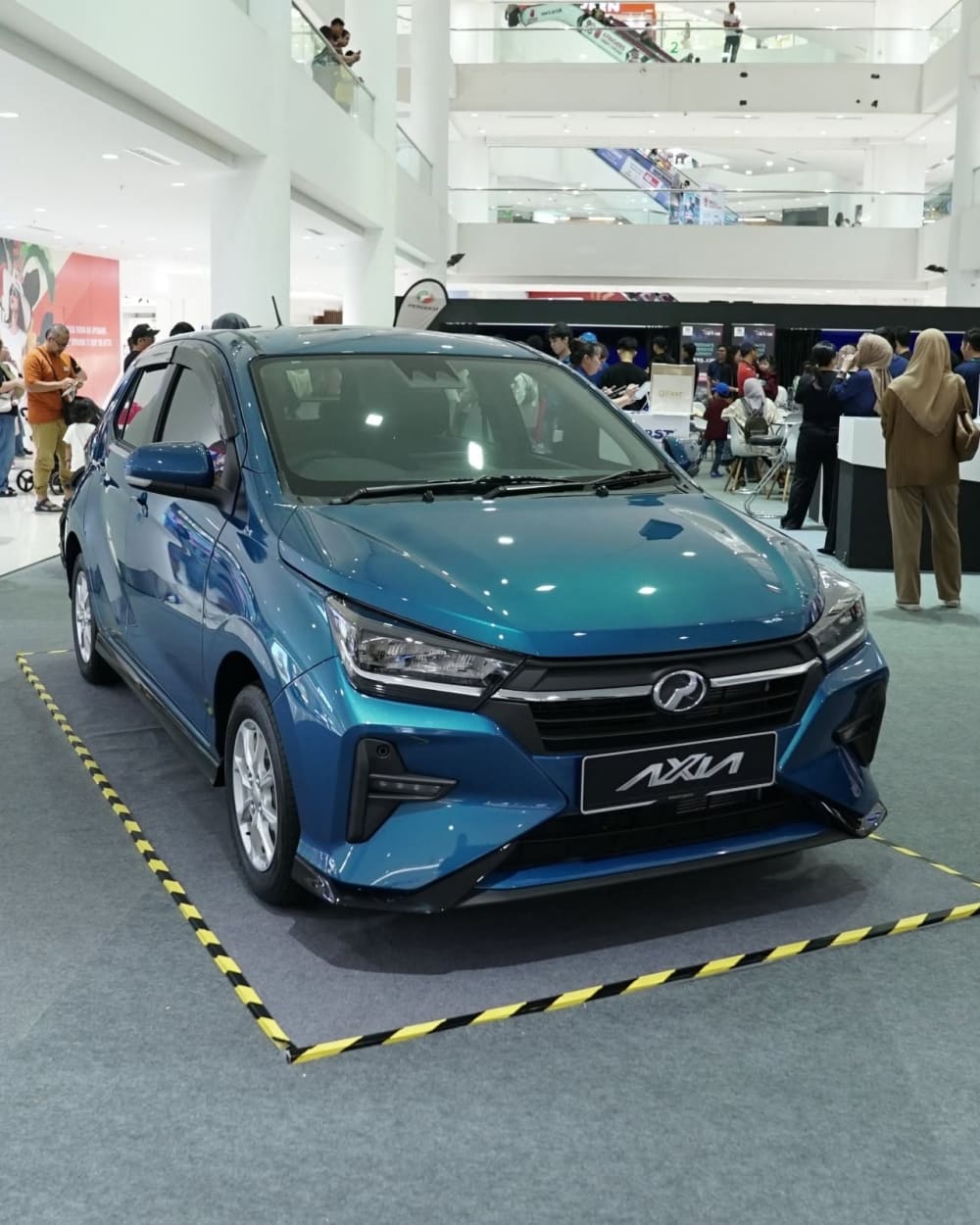
Perodua Cuts Axia Prices Up to RM4,700 Across Malaysia
Malaysia's largest automaker reduces prices on its entry-level compact through operational efficiency gains, with cuts taking effect immediately nationwide.
KEY TAKEAWAYS
- ·Perodua cut Axia prices by RM500 to RM4,700 across four variants, effective immediately in Peninsular and East Malaysia, with the 1.0G receiving the largest reduction.
- ·The automaker attributed savings to improved manufacturing processes and supply-chain coordination with local vendors, maintaining specifications while lowering costs.
- ·Price cuts arrive as Malaysian household debt exceeds 80 percent of GDP and tightening credit conditions increase pressure on first-time car buyers.
Price Cuts Across Four Variants
Perusahaan Otomobil Kedua (Perodua) announced immediate price reductions across its Axia lineup, Malaysia's lowest-priced passenger car. The cuts range from RM500 to RM4,700 depending on trim level, with the 1.0G variant receiving the steepest discount at RM4,700. The 1.0X drops by RM1,500, the 1.0SE by RM1,000, and the range-topping 1.0AV by RM500.
The revised pricing applies uniformly across Peninsular Malaysia and East Malaysia, eliminating regional price disparities that have historically existed in the domestic market. All specifications and build quality remain unchanged, according to Perodua.
The Axia serves as a critical entry point for first-time buyers and budget-conscious households in Southeast Asia's third-largest auto market. Malaysia sold approximately 800,000 vehicles in 2025, with Perodua commanding roughly 40 percent market share through its affordable compact and subcompact offerings.
Operational Efficiency as Cost Driver
Perodua attributed the price reduction to sustained process improvements and tighter supply-chain coordination. President and CEO Datuk Sri Zainal Abidin Ahmad said the automaker worked closely with local component suppliers to streamline manufacturing workflows and reduce input costs without compromising output standards.
"This price revision forms part of our ongoing efforts to ease the cost pressures currently faced by Malaysians," Zainal said. He added that similar efficiency gains have translated into lower service costs and revised pricing for the company's electric vehicle offerings, including the QV-E and Battery as a Service program.
Malaysia's automotive sector relies heavily on a tiered network of local parts makers, many of them small and medium enterprises clustered in the Klang Valley and Penang. Perodua's ability to extract cost savings from this ecosystem without triggering quality lapses reflects the depth of its vendor relationships, built over three decades since the company's establishment as a joint venture between Malaysian conglomerate UMW Holdings and Japan's Daihatsu Motor.
Affordability in a High-Interest Environment
The timing of the price cut is significant. Bank Negara Malaysia has held its overnight policy rate at 3.00 percent since May 2023, but household debt-to-GDP remains above 80 percent, one of the highest ratios in Asia. Auto financing terms have tightened accordingly, with banks requiring larger down payments and shortening loan tenures.
Lowering sticker prices directly reduces the principal amount financed, easing monthly payment burdens for buyers already stretched by elevated food and fuel costs. The ringgit has also weakened against major currencies over the past 18 months, pushing up the cost of imported components and finished vehicles. Perodua's localization rate exceeds 90 percent for the Axia, insulating it from currency volatility that has pressured competitors relying on CBU imports.
The move also comes as regional peers ramp up competition. Thailand-based manufacturers have expanded production of budget-focused models aimed at ASEAN markets, while Chinese brands continue to undercut incumbents on price in segments above the Axia's positioning. Perodua's dominance in the A-segment remains unchallenged domestically, but maintaining volume leadership requires aggressive pricing discipline.
Broader Implications for Malaysia's Auto Policy
Malaysia's automotive policy framework has long favored national champions through tariffs and local-content mandates. Perodua and larger rival Proton benefit from protective measures that make imported vehicles significantly more expensive than equivalent models sold in neighboring Thailand or Indonesia.
The government has signaled intentions to liberalize the sector gradually, aligning with commitments under the Comprehensive and Progressive Agreement for Trans-Pacific Partnership. Any erosion of tariff protection would expose Perodua to price competition from regional and global players. Demonstrating cost competitiveness now positions the company to defend market share as trade barriers fall.
Perodua thanked vendors and dealers for cooperating on cost-efficiency measures, underscoring the collaborative nature of the cuts. The statement suggests margin compression has been shared across the value chain rather than absorbed solely by the automaker, a strategy that preserves supplier health while delivering consumer relief.
The Axia's revised pricing reinforces Perodua's role as the volume anchor of Malaysia's automotive market, where affordability and fuel efficiency outweigh performance and prestige for the majority of buyers. Whether the cuts stimulate incremental demand or simply protect existing volume will depend on broader macroeconomic conditions, including wage growth and employment trends in the second half of 2026.
RELATED STORIES

Selangor Pulls RM70 Billion in Six Months as Services and Manufacturing Drive Malaysia's Richest State
Anand Sundaram · 4 min
Penang Captures 34% of Malaysia's Manufacturing Investment in First Half
Anand Sundaram · 2 min

Five ASEAN Members Back Regional Oil Stockpile as Study Nears Completion
Tran Quoc Bao · 3 min
Malaysia's Rare Earth Deposits Draw Foreign Interest Ahead of China Export Controls
Priyanka V. Rao · 3 min
Spot something wrong? Email editor@briefasia.com. We log every correction publicly.